
B.C. author Eileen Delehanty Pearkes champions Columbia River in new book
Catch Eileen Delehanty Pearkes at the Revelstoke Museum and Archives Wednesday, Sept. 10 for an author talk.
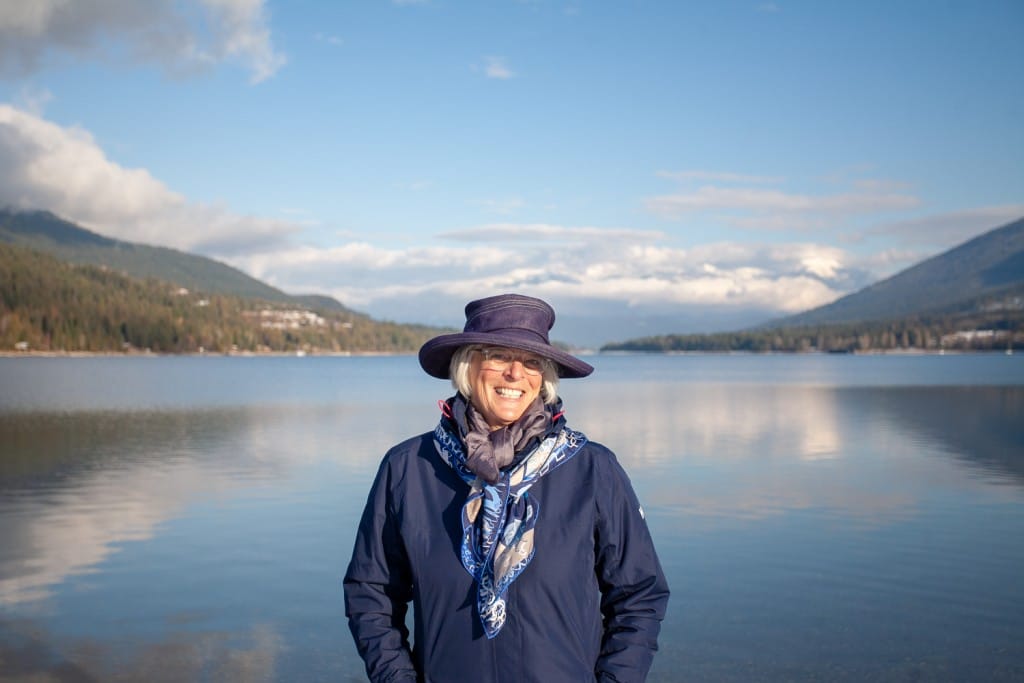
Eileen Delehanty Pearkes, author of The Geography of Memory and A River Captured showcases the natural resiliency found throughout the Columbia Basin in her latest book, Big River: Resilience and Renewal in the Columbia Basin.
With the support of publisher Braided River, along with local organizations throughout the basin, Pearkes is touring the region that shaped this book and her other works.
“It’s sponsored in a dual way, by organizations across borders,” Pearkes explained. “With their blessing, I’m going to parts of the basin that sometimes don’t get traveled to.”
As a citizen of both Canada and the US, Pearkes has traveled alongside the Columbia River for decades.
Her work has slowly unraveled the stories interconnected with the river, along with the political, economic and international forces that have tried to shape the waterway.
“I was raised in a household that believed strongly in the principles of natural justice, and there’s a lot of injustice here,” Pearkes said.
The draw of the Columbia River
While researching Sinixt history for her book, The Geography of Memory, Pearkes interviewed a collector of stone tool artifacts from the Arrow Lakes Valley who told her about the Columbia River Treaty and its impact on families who previously lived in the valley. Captured by the image of whole communities lost due to the reservoirs on the Columbia River filling, Pearkes dug in.
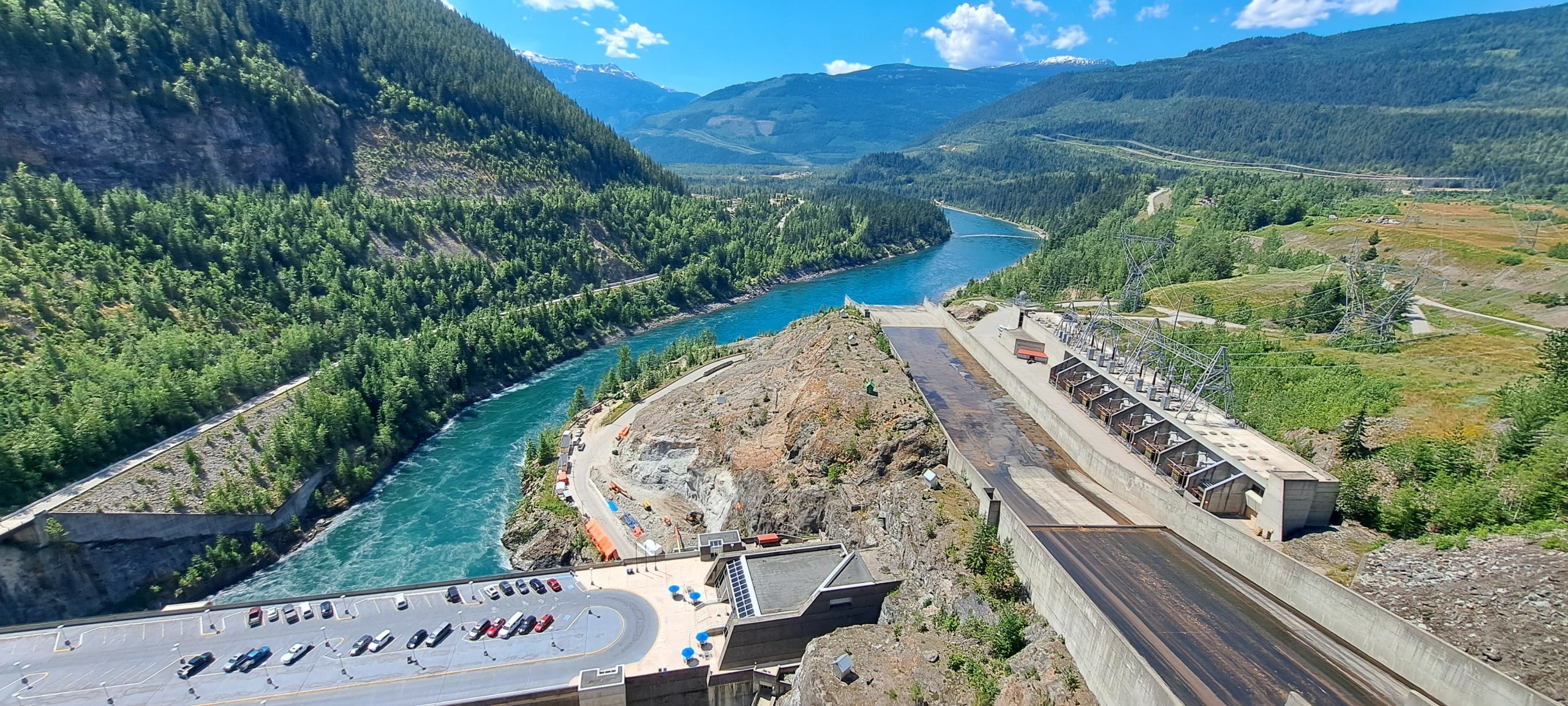
That research sparked inspiration for A River Captured, along with other books including Big River, a collaboration with photographer David Moskowitz. Showcasing Moskowitz’s photography throughout the Columbia River basin, the book focuses on conservation strategies and challenges the river and communities around it face.
“There’s hardly any story more complicated than the Columbia River Treaty, because it’s an international story.
It’s that international relationship Pearkes wants to highlight on her tour. Pulling from her relations on either side of the border, she’s championing all communities taking pride in their relationships with the Columbia River and each other.
“I really believe that no matter what, we have to stay in relationship. One of the best ways to do so is for Canada to continue to express its own pride,” Pearkes said.
She also hopes to highlight ways larger industries and organizations connected to the region can give back to Indigenous conservation efforts such as the Sinixt work reintroducing salmon to the region.
“There hasn’t been enough pressure on enough corporate and government structures to start pouring money back into this region,” Pearkes said. “Not for tourism, but for the ecosystem.”
Catch Pearkes at the Revelstoke Museum and Archives Wednesday, Sept. 10 at 7 p.m. for the Revelstoke stop of her book tour and a talk with Wildsight’s Graeme Lee Rowlands about salmon repopulation, Columbia River restoration and the future of the Columbia basin. Tickets are $10, pre-registration is encouraged.
What did you think of this story?
Your feedback after we publish a story helps ensure we're always improving our reporting to better serve you
Author
Related Articles
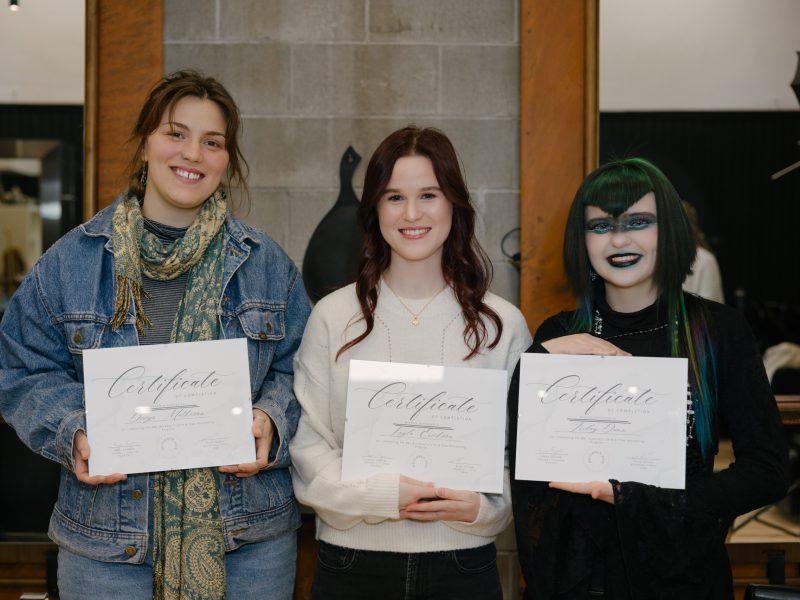
Birch and Lace salon offers apprenticeship-style academy for future hair stylists
The skills program aims to keep residents in town and learning in-house as salon founder focuses on accessible education opportunities.
Revelstoke hosts inaugural Indigenous Artisan, Creator and Fashion Gathering
Indigenous creators and artists came from across Canada to celebrate Indigenous Peoples Day Saturday, June 20 and Sunday, June 21.
REVY.Live Outside expands outdoor concert series into Labour Day long weekend
Bonus shows push summer music performances into September with a community open mic ending the season.