
B.C. still open for Columbia River Treaty negotiations
‘We’re going to defend our interest,’ B.C. energy minister Adrian Dix says during a virtual information session.
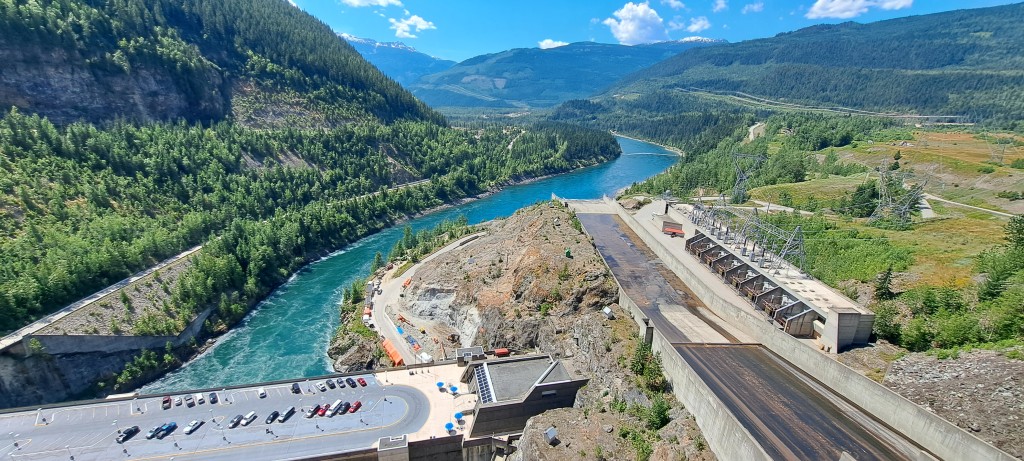
The Government of British Columbia and the Government of Canada are preparing for any potential scenario following the current administration of President Donald Trump pausing Columbia River Treaty renegotiations, B.C. energy minister Adrian Dix told viewers during a March 25 virtual information session.
“Let’s be clear, we’re going to defend our interest.”
Dix added that the current US administration has not formally suspended negotiations but have placed talks on hold as part of an overall international files review. It’s a common practice for each new administration in previous talks.
“What’s different are the threats to Canadian sovereignty, the attacks in terms of threatened and implemented tariff measures against Canada and the direct threats of the president of the United States,” he added.
An agreement-in-principal was reached in July, 2024 but a complete treaty renegotiation could not be wrapped before the new United States administration took office in January. The current treaty has no expiration date, but either country can terminate the agreement with a ten-year notice. It’s that delay that makes ripping up the current agreement not the best strategy as Canada tries to negotiate, Dix explained.
“Canadian action to terminate the treaty would have little effect on the current dispute, and would obviously involve losses on all sides.”
Instead, Dix said the focus will be on waiting for all parties to return to the table and he noted that the treaty has long had political support from all parties on either side of the border.
“Since the 2014 modernization, the treaty has enjoyed bipartisan support. It is in the interest of both countries to renew the treaty in the ways that Canada and the United States agreed to in the agreement-in-principle.”
Still, the current agreement-in-principle, which puts a stronger emphasis on Canada’s management of water flow is not legally binding, meaning that all regulations and management will stick to the 2014 version and additional interim agreements negotiated in 2024. This current form of the treaty has left many residents along the Columbia River frustrated with fluctuating levels and inconsistent river flow. Dix acknowledged the numerous communities who reached out to voice their concerns about a longer delay in solidifying a treaty update that would provide more water stability for the region
“We are not there yet, but we are no less resolute to get there.”
In-person community meetings throughout the Columbia River basin will be scheduled for this year once possible next steps can be presented. More information and future registration can be found through the Columbia River Treaty website.
What did you think of this story?
Your feedback after we publish a story helps ensure we're always improving our reporting to better serve you
Author

Related Articles
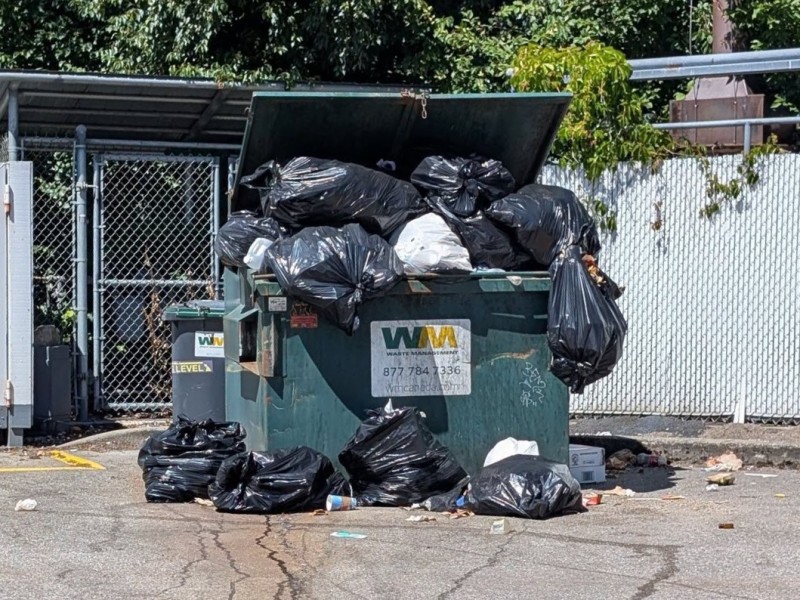
Commercial bear attractant bylaws need update, Bear Aware Society executive director says
Residents ask what the future of commercial wildlife attractant bylaws are following long weekend garbage mix up.
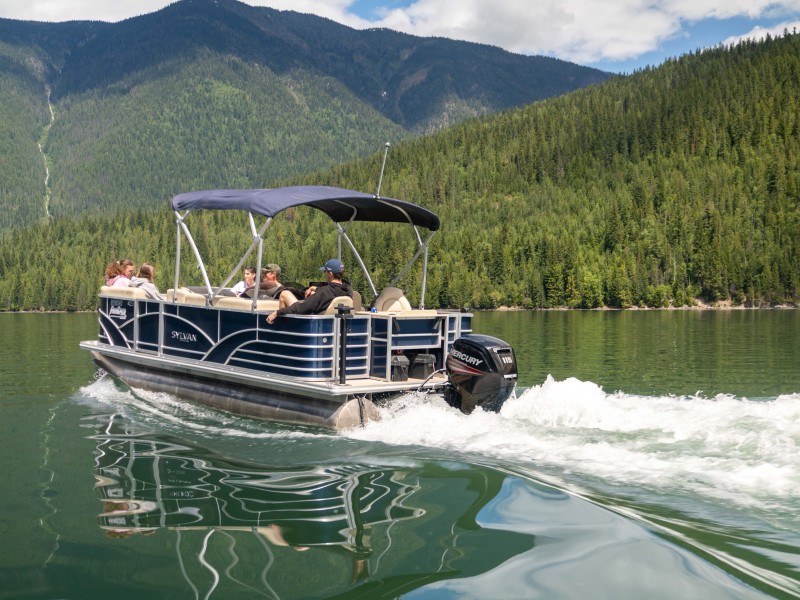
Boaters reminded to keep speeds low near shorelines
Wakes can increase erosion and impact nesting birds, according to Ministry of Water and Lands and Resources Sustainability.

Revelstoke’s dog-friendly patio round-up
Can Fido join you at the table? Or is there a relaxing “dog parking” spot with a fresh bowl of water for them? Here’s where you can and can’t take your dog dining in Revelstoke.