
Revelstoke receives majority support at SILGA
City council’s four resolutions all passed at the Interior municipalities conference hosted in Merritt.
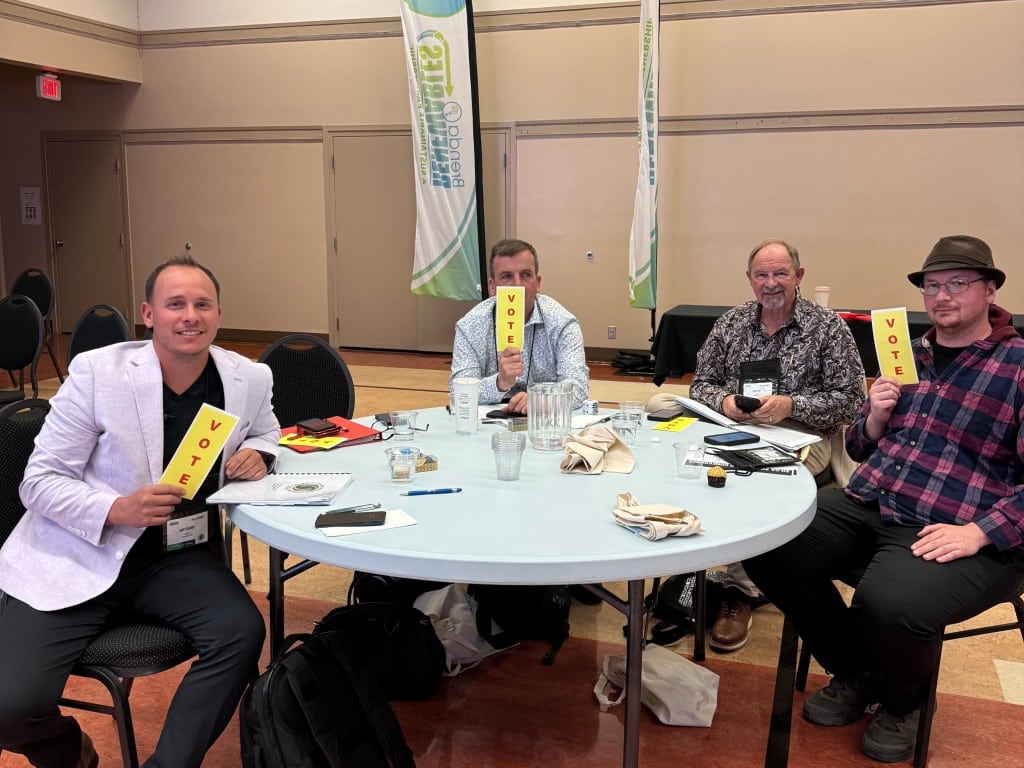
Revelstoke Mayor Gary Sulz, councillors Matt Cherry, Lee Devlin, Aaron Orlando and Tim Stapenhurst and chief administrative officer Evan Parliament attended the Southern Interior Local Government Association (SILGA) conference to network with other municipalities within B.C.’s Interior.
At the conference, leaders of the province’s municipalities gathered to discuss the unique issues facing each area, seeking support for resolutions from neighbouring communities.
Following the event, resolutions will be brought to the Union of BC Municipalities and presented to all attending provincial municipalities to be approved before being taken to provincial ministries.
Revelstokes took a record amount of resolutions, receiving support for all, including a request for support for encampments, infrastructure, conservation officers and more.
It’s the most amount of resolutions Revelstoke has brought to SILGA and highlighted the various concerns municipalities are facing.
“We’re all looking at the same things,” Sulz told the Mountaineer. “But there’s only so much capacity for every community.”
Encampments on provincial land
Revelstoke originally planned to present a resolution requesting the Ministry of Transportation and Transit manage encampments located within municipalities, but on provincial property. A last minute amendment to the resolution proposed a new ministry be appointed to manage encampments on provincial land.
“It’s not in the Ministry of Transportation’s work list to deal with these sorts of things, they have so much on the go. So, it kind of gets less priority,” Sulz said.
Other municipalities supported the resolution, speaking on their own scenarios with encampments located within city limits but situated on crown lands. While Revelstoke currently only has one individual sheltering within city limits along the Trans-Canada highway, Sulz stressed that the resolution was in part to get ahead of future developments.
Other municipality representatives shared that previous efforts to remove encampments from provincial lands required injunctions ranging from $10,000 to $20,000 and oftentimes individuals moved back to the previous location.
Funding for municipal infrastructure upgrades following densification
In an effort to increase housing supply, recent provincial Bill 44 required municipalities to allow multiple units per property, a move that’s helped reshape Revelstoke’s zoning bylaw and is part of a long conversation around Revelstoke’s future with short-term rentals. However, that increased densification means reliance on municipal infrastructure that might not be ready for a sharp growth.
Revelstoke’s role as a tourist destination within the province needs to be supported, Sulz said, and it’s one of the reasons behind proposing the province provide more stable funding to municipalities working on upgrading infrastructure such as Revelstoke’s wastewater treatment plant.
Without provincial support to manage growth, “we’re not able to enhance the construction in our community or support people who come and visit,” Sulz said.
Talks before the vote showed that even municipalities not impacted by tourism are scrambling to find ways to pay for infrastructure upgrades related to densification, and Sulz sees Revelstoke’s value to the provincial government as a leveraging point to get this resolution approved.
“As a tourist destination we give many millions of dollars to the provincial government,” he said. “We would like to see that come back in either grants or direct funding.”
Increasing conservation officer capacity
Revelstoke took advantage of increased support at SILGA for the resolution to increase conservation officer resources and presence throughout the province, something the city has been pushing for since before Sulz’ time as mayor, he said.
“What we’re looking for is really additional funding for offices and staffing to support the conservation officer service to be more active and proactive in our area.”
While two conservation officers do work in and around Revelstoke, the region they cover stretches roughly from Golden to Salmon Arm – a workload that’s unmanageable and is costing conservation efforts within Revelstoke, Sulz said.
“If they were based in the community, they would be able to make their presence known on a regular basis in our back country,” he added.
Sulz wants to see a conservation officer or even a main office within Revelstoke to protect the habitats that shape Revelstoke’s tourism industry from poaching and illegal fishing, among other things.
Reducing highway speeds through municipalities
Two of Revelstoke’s main intersections were top of mind for a resolution requesting the Ministry of Transportation and Transit consider community safety concerns when reviewing speed limit requests. Current highway speed limits at the intersection entering the Johnson Heights neighbourhood and the gradual reduction of speed leading to the intersection between the Columbia Park neighbourhood and the majority of Revelstoke have both been points of high traffic stress over the years.
“There’s accidents at those intersections on a regular basis, because those who are traveling through either haven’t slowed down or they’re not paying attention,” Sulz said.
While he agreed that a key solution would be increased enforcement within those high-risk areas, pushing the province to ease speed limit requests could be a broader solution for more municipalities.
“We’re asking that they actually include community safety concerns when they’re assessing requests to reduce speed limits,” he said.
Revelstoke will host SILGA in 2026.
What did you think of this story?
Your feedback after we publish a story helps ensure we're always improving our reporting to better serve you
Author
Related Articles
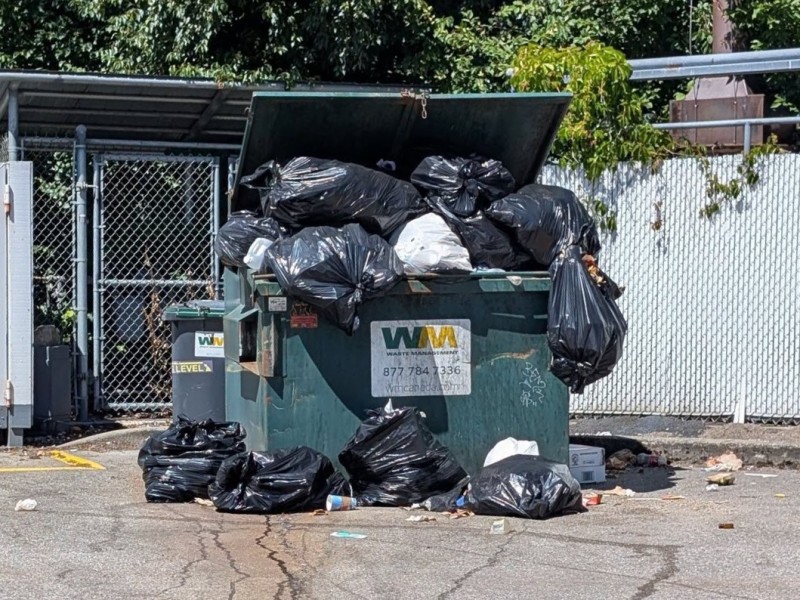
Commercial bear attractant bylaws need update, Bear Aware Society executive director says
Residents ask what the future of commercial wildlife attractant bylaws are following long weekend garbage mix up.
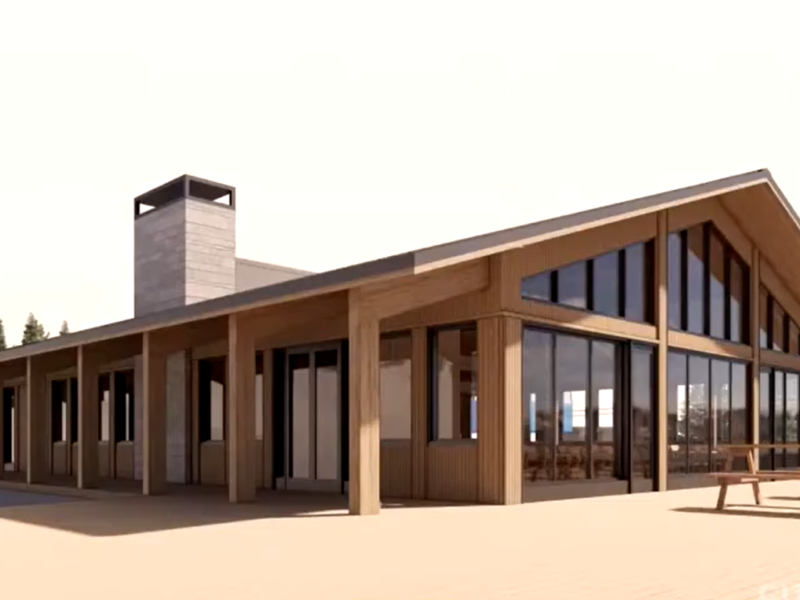
Revelstoke Mountain Resort provides updates on infrastructure upgrades and partnerships
Resort president Jason Kelder shared planned changes coming to the resort, which include a new warming hut.

Regional district board backs sale of Revelstoke airport
The City of Revelstoke is seeking to retake ownership of the airport, which was sold in 1980.