
Highway closures ground products headed for Revelstoke
Commercial trucks bound for Revelstoke held in Malakwa during multi-day highway closure, stressing businesses, local freight company says.
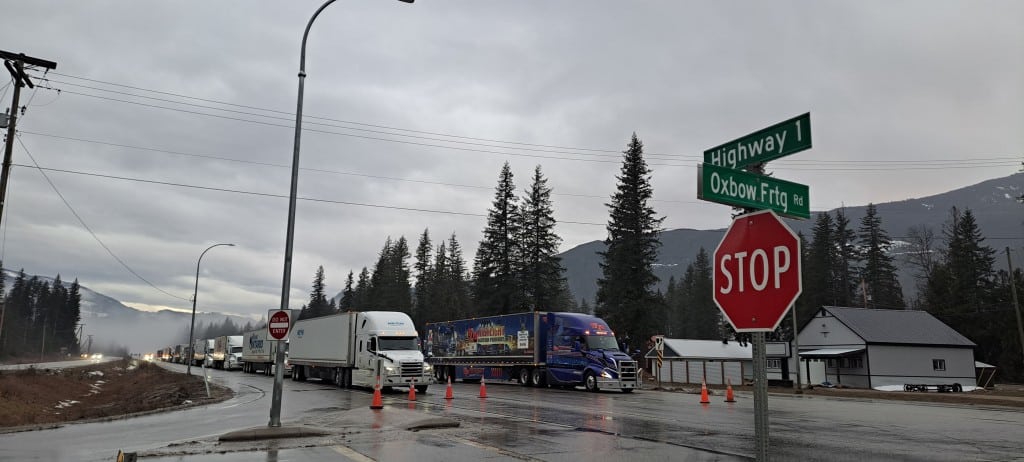
A recent combination of unstable snowpack, warming temperatures and heavy rain closed the Trans-Canada Highway for a collective 65 hours between Tuesday, March 17 and Friday, March 20.
The four-day long avalanche control highway closure parked commercial vehicles destined for Revelstoke in Malakwa, prompting local businesses to call for better communication with the Ministry of Transportation.
“I don’t believe it was intentional to hold anybody’s freight there. It’s just that the process needs to be looked at closer,” Corrie Mollerud, City Transfer logistics and office manager told Revelstoke Mountaineer. The local freight company is the switch point for trucks traveling from Vancouver and Calgary and delivers supplies to businesses throughout the city.
In previous years, commercial trucks have been held in Revelstoke to wait out highway closures from weather and traffic accidents. But at the start of this winter, traffic control began holding commercial vehicles on the east bound highway lanes in Malakwa, 54 kilometres west of Revelstoke.
Despite the Revelstoke Chamber of Commerce communicating business needs to the Ministry of Transportation, the new protocol has caused grief throughout the 2025/2026 winter, Caroline Lachapelle, chamber CEO told Revelstoke Mountaineer.
“We’ve been advocating the entire winter that any commercial traffic that is coming to Revelstoke, that is providing a service or bringing goods to the community, should just be allowed to go through,” she said, explaining that information about closures has been unclear on which commercial vehicles are allowed to continue on to Revelstoke.
“The highway doesn’t usually close for four, five days with small, incremental openings. This was quite literally a perfect storm,” Lachapelle said.
Further complicating things, at one point it was miscommunicated that the chamber needed to approve commercial vehicles coming through, leading to calls from shipping companies and other local contacts seeking approval.
“Commercial Logistics ended up calling me directly from Kamloops, saying, ‘Corrie, I can’t get your trucks to you’,” Mollerud said.
“We are not in charge of the highway,” Lachapelle said, adding the chamber is focused on hearing from businesses impacted by the highway closures and gathering data to show the Ministry of Transportation.
“I think they do want to find some solutions. We’re frustrated that they’re not moving fast enough,” she said.
Local grocery stores have shared frustrations with highway closures, but Lachapelle stressed that other businesses impacted need to connect with the chamber as well. The more data collected helps show political representatives and MOT the impacts of highway closures.
“When [businesses are] waiting for a truck to pull up with a large delivery, they staff for it. If that vehicle doesn’t come, then they have to move staff around and it becomes a bigger cost,” Lachapelle said, adding the loss of sales, accommodations and additional staffing costs are major hurdles for some local businesses.
Revelstoke Mountaineer reached out to the Ministry of Transportation for comment on the avalanche closure and new procedure to hold commercial traffic in Malakwa, but did not hear back before publication.
What did you think of this story?
Your feedback after we publish a story helps ensure we're always improving our reporting to better serve you
Author

Related Articles
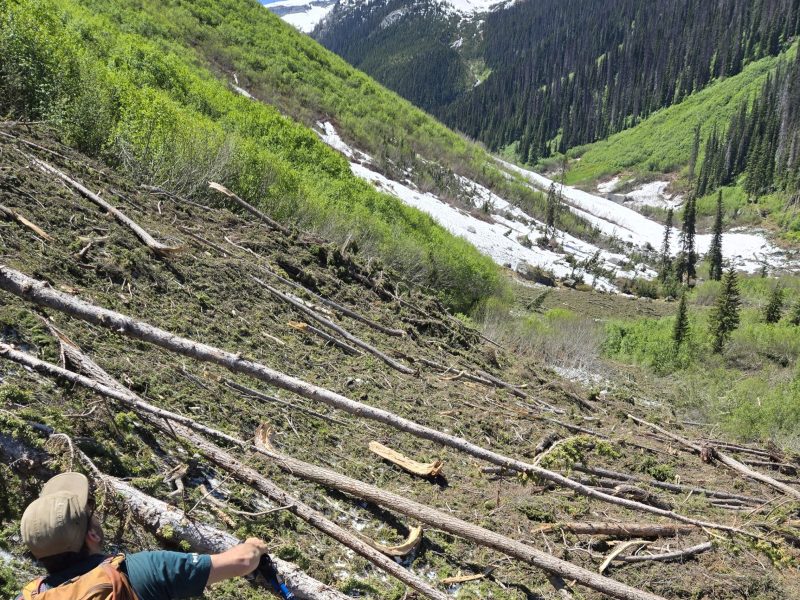
Glacier National Park trails remain closed following heavy avalanche season
Balu Pass trail, along with two others are closed indefinitely as Parks Canada staff evaluate how much of the popular trails will need to be rebuilt.

Regional district board backs sale of Revelstoke airport
The City of Revelstoke is seeking to retake ownership of the airport, which was sold in 1980.
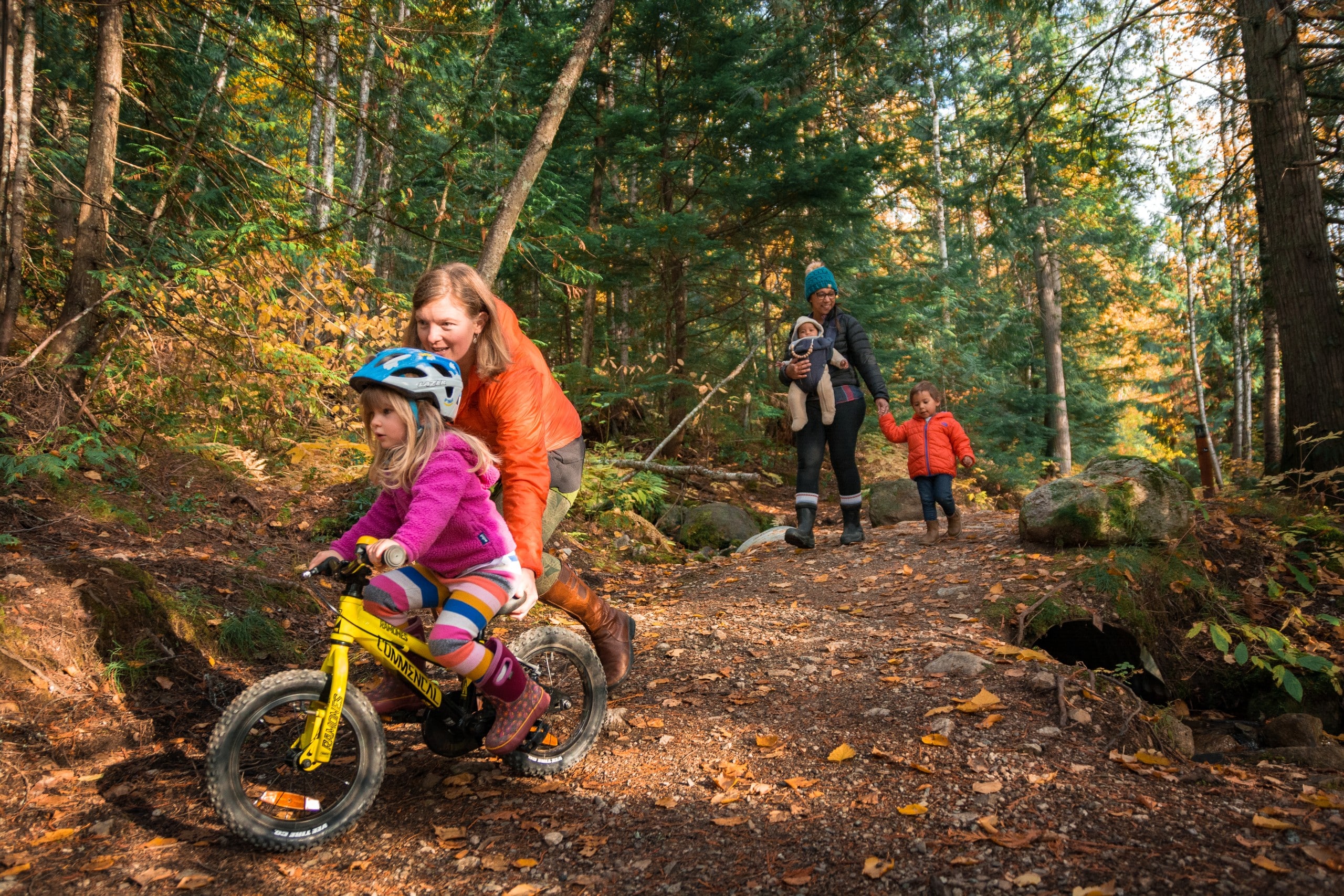
Returning Canada Strong Pass means free access to Mount Revelstoke National Park all summer
From mountain biking trails to Meadows in the Sky hikes, Mount Revelstoke National Park is a source for various free outdoor activities this summer with Canada Strong Pass.