
Winter storms bring a string of highway closures
Here’s how to prepare for avalanche road closures and keep up-to-date on road conditions while traveling.
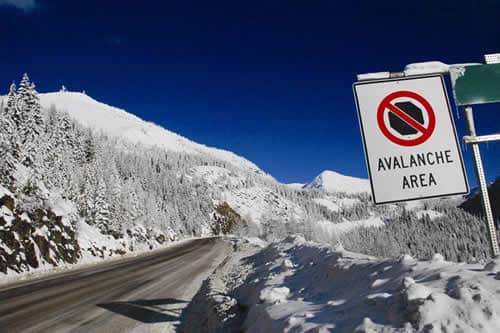
Winter in British Columbia’s interior means avalanche closures throughout the highway system, especially along the Trans Canada Highway while navigating through Rogers Pass where snow storms, weak snow layers and strong winds can bring avalanches down onto the highway.
Avalanche technicians throughout the region monitor for changing conditions that could prompt highway closures so avalanches can safely be triggered. The B.C. avalanche season often starts in November and can run through May, but the peak of the season runs from December to March.
“Patrols are going through that corridor regularly to make sure that the most up-to-date information is posted on DriveBC,” Janelle Staite, Ministry of Transportation deputy director said at a Dec. 12 press conference covering the Fraser Valley flooding and other road hazards impacting B.C. in December. She encouraged anyone traveling through B.C.’s mountains to frequently check DriveBC for the latest in road closures and conditions.
Drivers can be stuck behind avalanche closure gates for hours and anyone traveling through the region is encouraged to prepare for long waits on the highway. From topped-up gas tanks to accessible food and water, blankets and winter clothing in case vehicles need to be turned off and other emergency supplies, the Shift Into Winter campaign has lists and tips to keep your vehicle prepared.
“It’s really making sure that if you’re heading out on the road and on that corridor and expecting winter conditions that your vehicle is equipped and ready,” Staite said.
Avalanche Canada monitors avalanche threats and conditions throughout Canada and can be paired with DriveBC for road condition expectations and potential closures.
Stuck behind the snow
Whether it’s for a controlled closure or an unexpected avalanche, drivers stuck behind an avalanche closure are encouraged to safely turn around and head to the nearest town or rest stop and monitor road conditions from there. If heading back isn’t possible, stay in your vehicle with the seatbelt on.
“It is easier to find a car in the snow than it is to find a person,” the government shared on its avalanche traveling page.
No matter if you’re driving with winter tires, mud and snow tires or even studded tires driving through the avalanche debris is highly discouraged. Vehicles stuck in the snow can hinder highway clearing and further avalanche activity could bring more debris onto the road.
What did you think of this story?
Your feedback after we publish a story helps ensure we're always improving our reporting to better serve you
Author

Related Articles
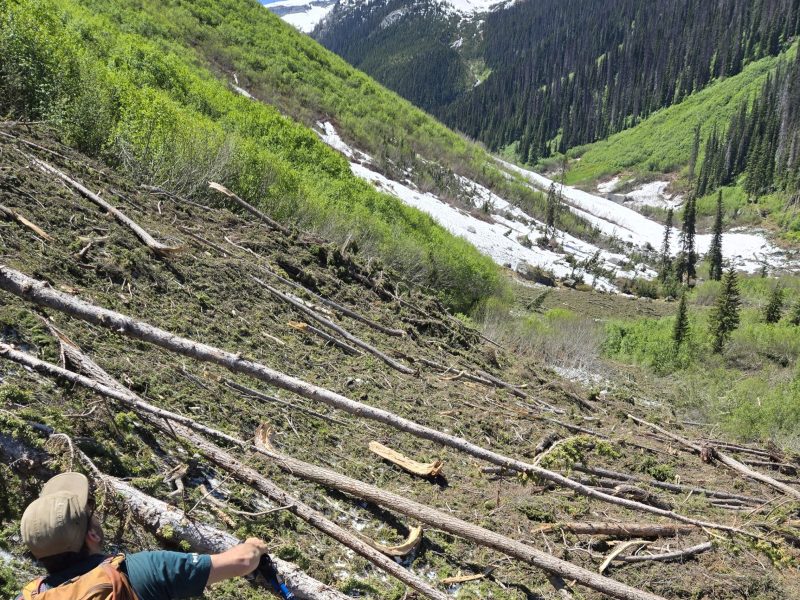
Glacier National Park trails remain closed following heavy avalanche season
Balu Pass trail, along with two others are closed indefinitely as Parks Canada staff evaluate how much of the popular trails will need to be rebuilt.

Regional district board backs sale of Revelstoke airport
The City of Revelstoke is seeking to retake ownership of the airport, which was sold in 1980.
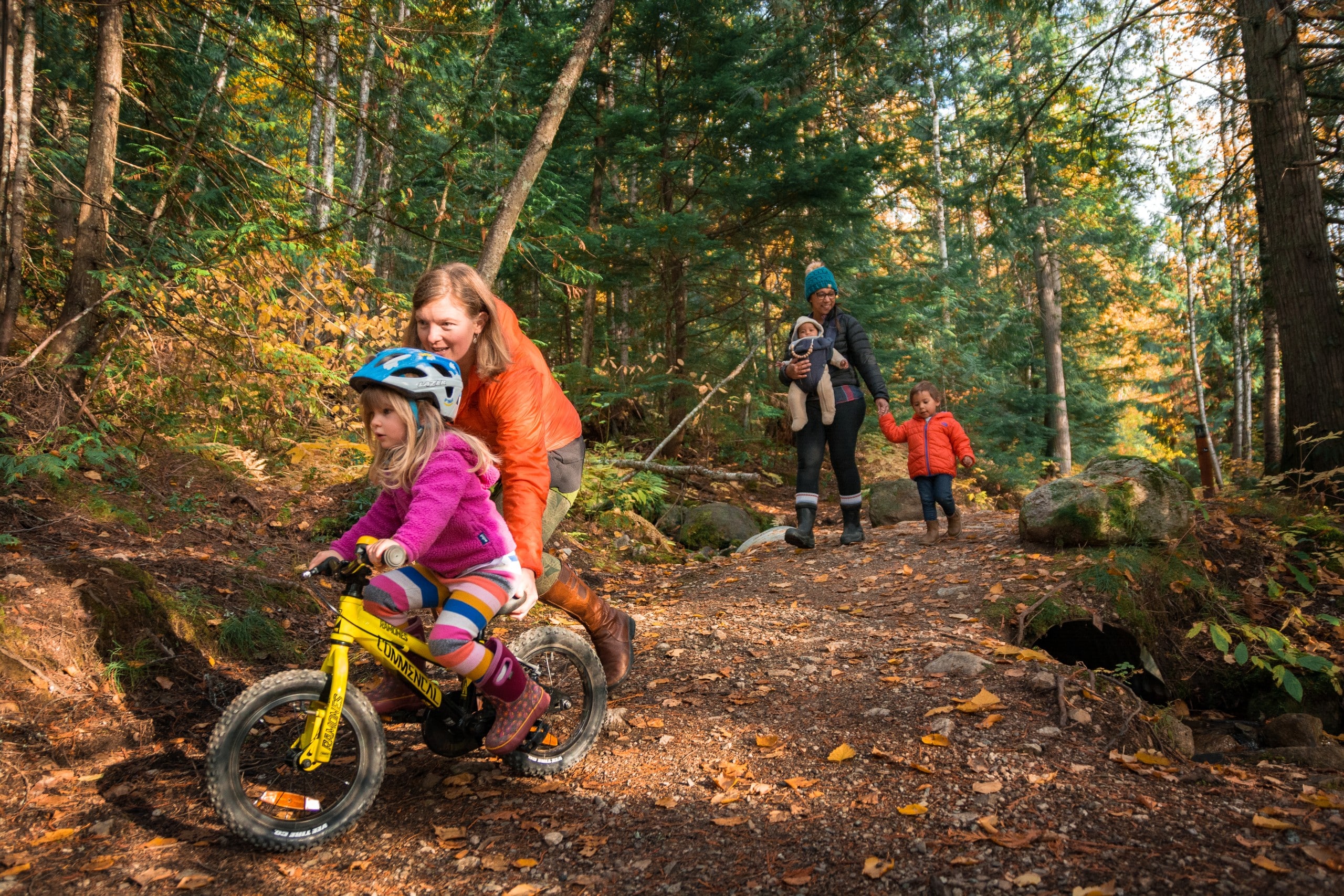
Returning Canada Strong Pass means free access to Mount Revelstoke National Park all summer
From mountain biking trails to Meadows in the Sky hikes, Mount Revelstoke National Park is a source for various free outdoor activities this summer with Canada Strong Pass.