
Behind the scenes at Revelstoke Snowmobile Club
From grooming to education initiatives, Revelstoke Snowmobile Club works to make sledding safe for all.
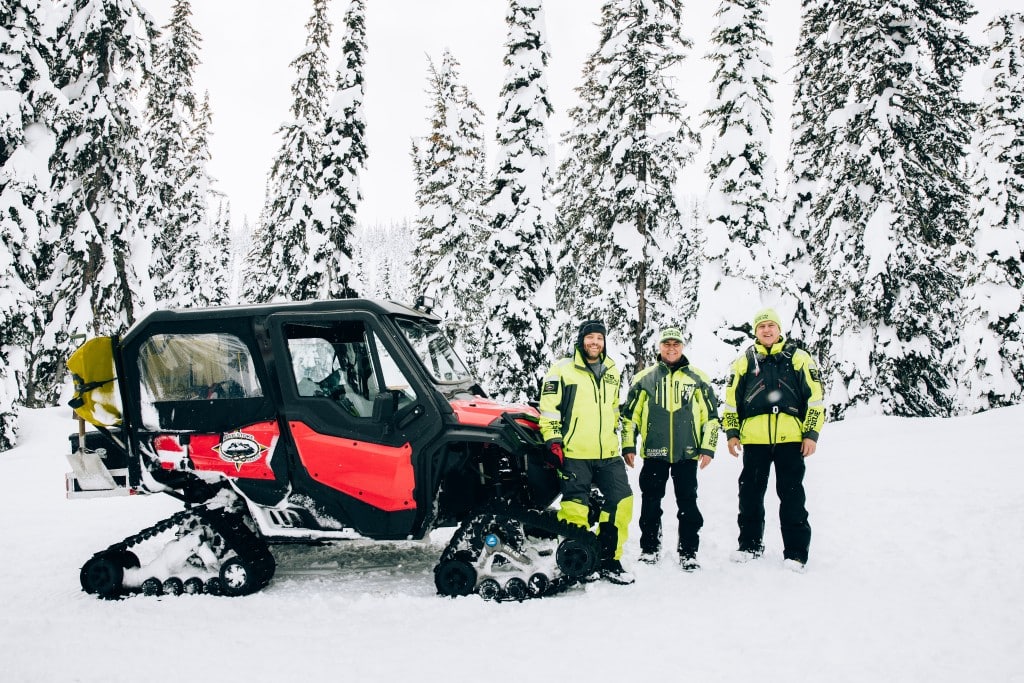
Founded in 1968, the Revelstoke Snowmobile Club (RSC) has become the heart of the region’s sledding culture. As the sport evolved, the club remained central to managing terrain, ensuring safety and providing education and connection for snowmobiling enthusiasts.
In the early days, snowmobiling in Revelstoke was more of a communal activity. With less advanced machines facing deep snow, pushing the snowmobiles up Mount Revelstoke was often a group effort. Many would use their sleds as transportation downtown and at the Winter Carnival.
As technology within the sport developed, riders became increasingly self-reliant, which fostered a more individualistic and dispersed culture, RSC executive director Amber Lane told t he Mountaineer.
“The community is still here but it’s certainly more of an independent sport than it used to be,” she said.
As the culture around the sport changed, RSC developed effective systems to support a safe riding experience for all. Lane oversees these operations, working year round to ensure the club provides a successful and safe winter season. As the biggest club in British Columbia, RSC supports others across the province by sharing knowledge and practices.
Revelstoke Snowmobile Club managed areas
RSC manages two primary riding areas—Boulder and Frisby. The club collects fees at these locations under its partnership agreement with Rec Sites and Trails BC, allowing individuals to purchase day passes or acquire a membership. While snowmobilers are free to explore more areas in the region, the club’s presence at Boulder and Frisby means measures are in place to ensure safe access to the backcountry.
“We can feel good about pushing people towards our managed areas because we have that public infrastructure,” Lane explained. “Emergency warming shelters, groomed trails and communication systems make it a lot easier for help to arrive if there is an incident on the mountain.”
The club maintains emergency shelters on both Boulder and Frisby, available to any snowmobiler seeking refuge from harsh weather conditions. Although not intended for overnight stays, the facility can be used as such in emergencies.
While the club doesn’t actively patrol these areas themselves, they work closely with Revelstoke Search and Rescue (SAR) to ensure a quick and effective response in case of emergency. SAR has access to the club’s radios and emergency shelters which can serve as a base for rescuers, and in return, sledders in trouble can get in touch with rescuers directly.
One indication of concern is if a vehicle is left in the club’s parking lot overnight. In such cases, SAR is contacted immediately to kick off the response process.
Grooming trails with RSC
Groomed trails serve as the entry point to the alpine and are crucial for snowmobilers to recreate safely. RSC manages the grooming of approximately 150 kilometres of terrain.
Operating alone, groomers are monitored by safety devices featuring mandatory check-ins, fall protection and tracking in case of emergencies. Only a small area on the groomed West Trail is in a possible avalanche path, which is monitored closely.
“Our groomer operators arrive at 6 p.m., and we have one working independently on each mountain overnight,” Lane said.
Throughout the day, these trails are re-groomed to ensure sledders can safely return home.
“It’s really a 24-hour operation!”
Education initiatives
While grooming ensures safe access to the mountains, RSC also prioritizes educating sledders on safe riding practices. Given the individual nature of snowmobiling, the club supports rider safety through a variety of informative events throughout the winter season.
“We invite Search and Rescue and Avalanche Canada to impart knowledge about riding safely, preparing for the backcountry, checking avalanche conditions, avalanche knowledge and general safety,” Lane said.
Snowmobiling requires extensive preparedness and knowledge, so these educational events help remove barriers to entry. They inspire new riders and allow for networking opportunities. Having others to sled with is not only an enjoyable aspect of the experience but also an essential part of staying safe.
Over 50 years after its founding, RSC continues to act as a point of unity and connection. The club welcomes a whopping 30,000 riders each year, and with a team of only 15 members, they punch well above their weight.
The club’s impact stretches further than support for sledders, boosting Revelstoke’s local economy. An economic impact study conducted by RSC in 2019 revealed that the positive economic impact of the club on Revelstoke was around $31 million each year.
“It’s dispersed economic impact as well,” Lane said. “A lot of that money is going to small businesses in town and hotels that are privately owned.”
RSC’s success relies not only on its dedicated team, but the active involvement of the community.
“Volunteering is a great way to get involved with us,” Lane said. “And I’d recommend Great Canadian Tours if individuals wanted to experience snowmobiling. They have so many tours at different levels, and it’s a great way to get your feet wet and understand what snowmobiling in Revelstoke is all about.”
Don’t miss the famous Vintage Ride event on March 8, an exciting opportunity to experience the cabin and the emergency shelters, and check out some well-maintained, very old snowmobiles!

What did you think of this story?
Your feedback after we publish a story helps ensure we're always improving our reporting to better serve you
Author

Related Articles

Birch and Lace salon offers apprenticeship-style academy for future hair stylists
The skills program aims to keep residents in town and learning in-house as salon founder focuses on accessible education opportunities.
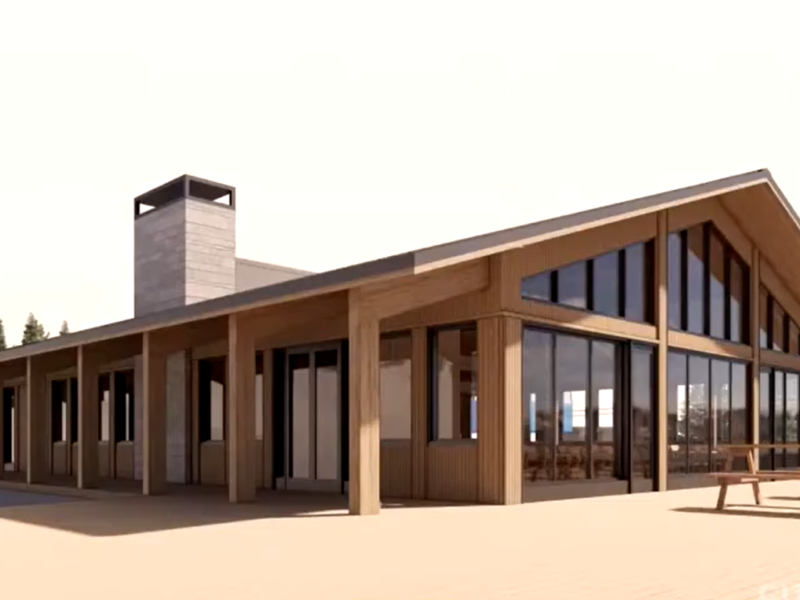
Revelstoke Mountain Resort provides updates on infrastructure upgrades and partnerships
Resort president Jason Kelder shared planned changes coming to the resort, which include a new warming hut.
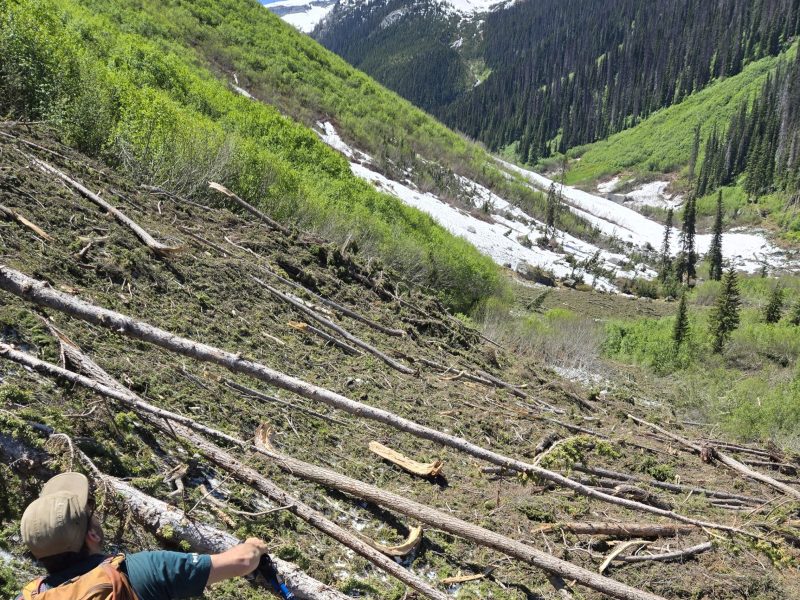
Glacier National Park trails remain closed following heavy avalanche season
Balu Pass trail, along with two others are closed indefinitely as Parks Canada staff evaluate how much of the popular trails will need to be rebuilt.