
How to weed out Himalayan Balsam
Here’s how to keep the invasive Himalayan Balsam at bay – and why it’s so important.
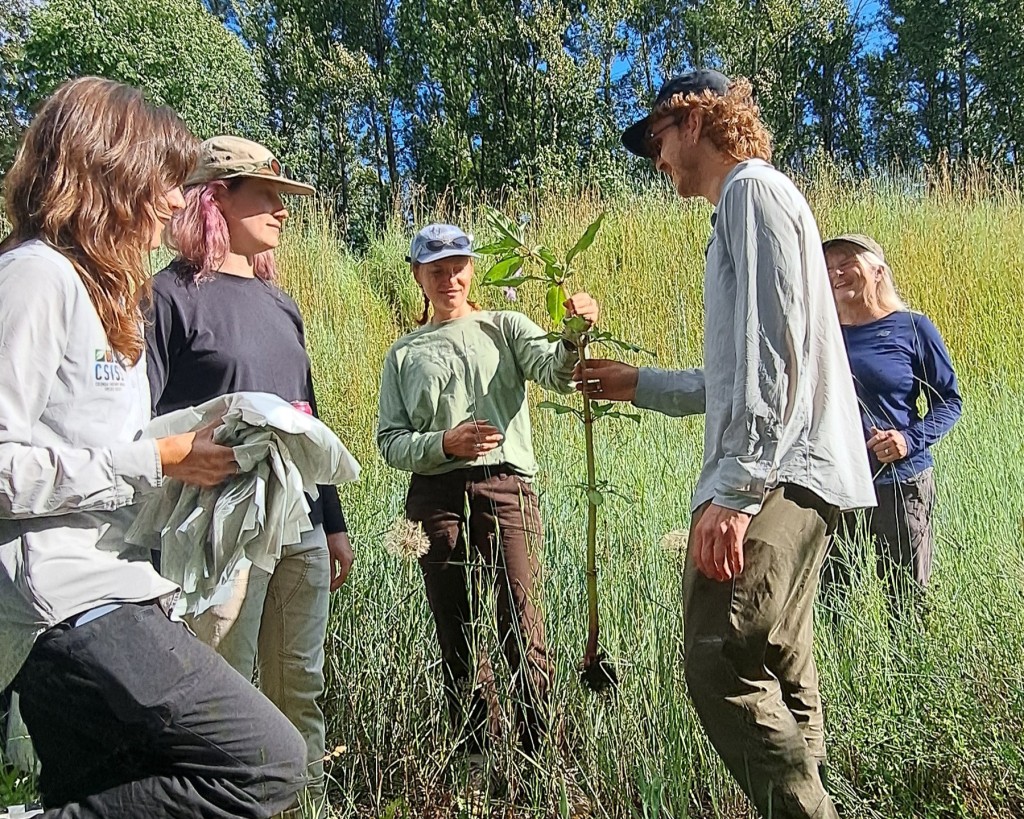
Himalayan Balsam was the focus of a Columbia Shuswap Invasive Species Society (CSISS) Speed Weed event Thursday, July 10 along the Illecillewaet Greenbelt. Volunteers learned how to identify the tall, tubular stalk and bright pink flowers signature of the plant before heading out to a section of the Greenbelt that CSISS has been working on.
Unlike other invasive plant species that can then become high fire risks such as Scotch Broom, Jesse Booth, CSISS communications and engagement manager explained Himalayan Balsam can aggressively choke out native plants.
“It impacts things like the Western Painted Turtles and other local animals, plants that would normally be in those places,” she said. “They form these almost impenetrable sort of populations.”
Himalayan Balsam frequently grows in tight clusters, a feature that is one of the plant’s greatest threats to local ecosystems, choking out other flora and fauna. But it’s a feature that also makes the plant easy to weed, with people able to remove a lot from a small area. Grabbing the balsam anywhere on the stalk and giving a pull will easily unroot a majority of the plant which can then be bagged and disposed of.
“We feel like we have a good chance of getting on top of it before it becomes impossible to deal with,” Booth said, explaining that three consecutive years of pulling Himalayan Balsam specifically from along the Greenbelt is providing tangible results.
Composting or burning pulled plants are not recommended as the humidity caused by composting could promote regrowth and high temperatures are needed to effectively kill the plant.
“We’re getting to it oftentimes before it seeds, it’s quite an easy plant to pull. And as long as we’re staying ahead of it before it seeds then we’re making this really good progress,” Booth said
With incredibly buoyant seed pods that can eject seeds up to seven meters away from the source pod, dealing with Himalayan Balsam when seed pods are abundant can cause more grief than help. Instead, CSISS recommends weeding the plant before seed pods are visible, pulling the plant straight out of the ground. If pulling it out entirely isn’t possible, removing the heads of the plant before it goes to seed can also keep spread from happening.
Residents and visitors can go out and hand weed Himalayan Balsam from public areas themselves as long as they can access proper disposal resources and get to the plants before they seed, and Booth encourages those interested in combating invasive species to join in on the various CSISS Speed Weed events to learn how to identify invasive species. Prizes are provided by local organizations and businesses for everyone who comes out.
“We’re always super keen to share what we know with people and learn from others too. Because there’s all sorts of different ways of looking at managing invasive plants,” Booth said.
You can learn more about invasive species in Revelstoke, how to identify and manage them and keep in the know about upcoming CSISS events through their website and social channels.
What did you think of this story?
Your feedback after we publish a story helps ensure we're always improving our reporting to better serve you
Author

Related Articles

Boaters reminded to keep speeds low near shorelines
Wakes can increase erosion and impact nesting birds, according to Ministry of Water and Lands and Resources Sustainability.

Revelstoke’s dog-friendly patio round-up
Can Fido join you at the table? Or is there a relaxing “dog parking” spot with a fresh bowl of water for them? Here’s where you can and can’t take your dog dining in Revelstoke.
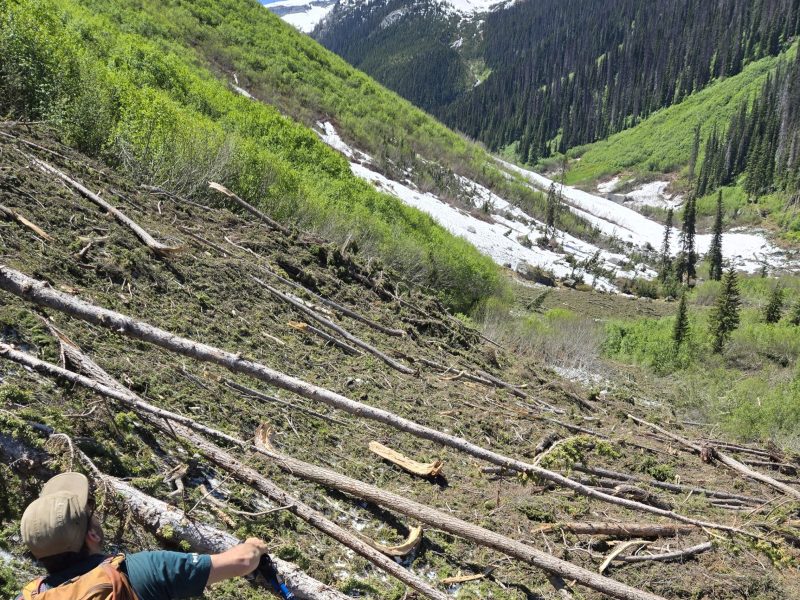
Glacier National Park trails remain closed following heavy avalanche season
Balu Pass trail, along with two others are closed indefinitely as Parks Canada staff evaluate how much of the popular trails will need to be rebuilt.