
How Revelstoke Fire Rescue is countering misinformation during wildfire season
Fostering community trust in local and provincial emergency channels key to keeping misconceptions from sparking panic, fire chief says.
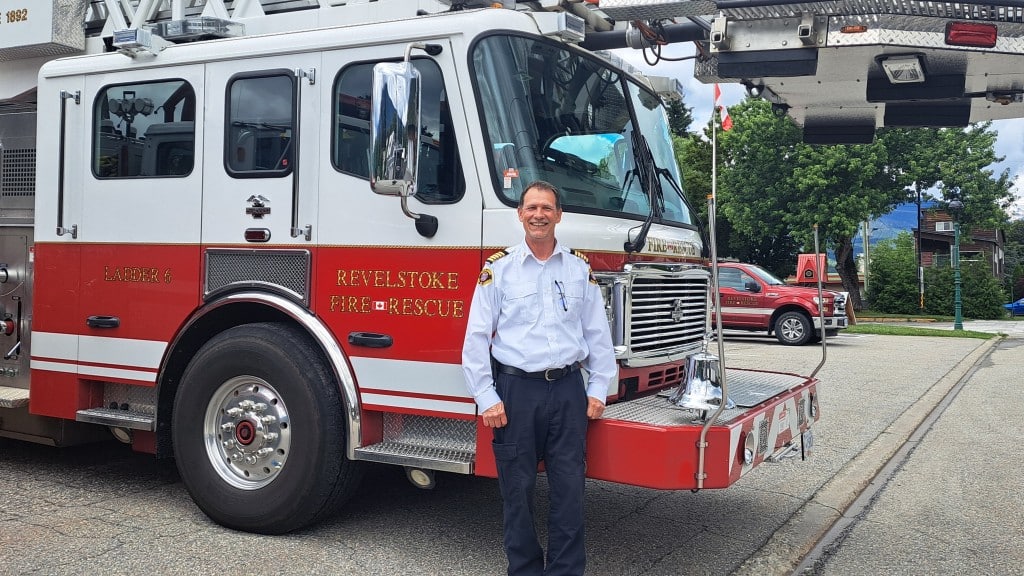
Revelstoke Fire Rescue Services, is working to fortify community trust in all local emergency channels before Revelstoke has to use them.
At a May 29 Facing the Flames panel, Sean Coubrough, Columbia–Shuswap Regional District fire chief spoke about how misconceptions and misinformation hindered efforts to control wildfire and wildland urban interface fires during the 2023 wildfire season, and these insights are helping shape Revelstoke Fire Rescue Services’ (RFRS) strategies.
“I think it would be a fair game to say that we’ve known about the challenges with misconceptions,” said RFRS fire chief Steven DeRousie. “Where there’s missing information, people will fill in the gap with something that they have picked up from somewhere.”
DeRousie has seen the same scenario play out in major wildfire events such as the Los Angeles fires and the Lāhainā, Maui fires.
The struggle is that oftentimes there is a kernel of truth deeply wrapped within the misconception, he explains.
A frequent example is claims that firefighters and municipalities turn off water to neighbourhoods, hindering efforts to save the area. Water may be shut off in the case of neighbourhoods with no chance of saving, DeRousie explained, but these decisions play into the complex situations of fighting wildland urban interface fires.
The mix of natural fuels and municipal infrastructure present different risks, fire behaviours and more. That leads to swift decisions about what to save and how to combat wildfire, oftentimes before information about the decision can be shared with the public in accessible ways.
DeRousie doesn’t expect residents to always understand each factor that goes into these decisions but hopes that community trust in RFRS and the Revelstoke Emergency Management team will help ensure folks the fire rescue is making the best decisions possible.
“I don’t take this lightly,” he said. “This is our community, these are our homes as well.”
Building community sources
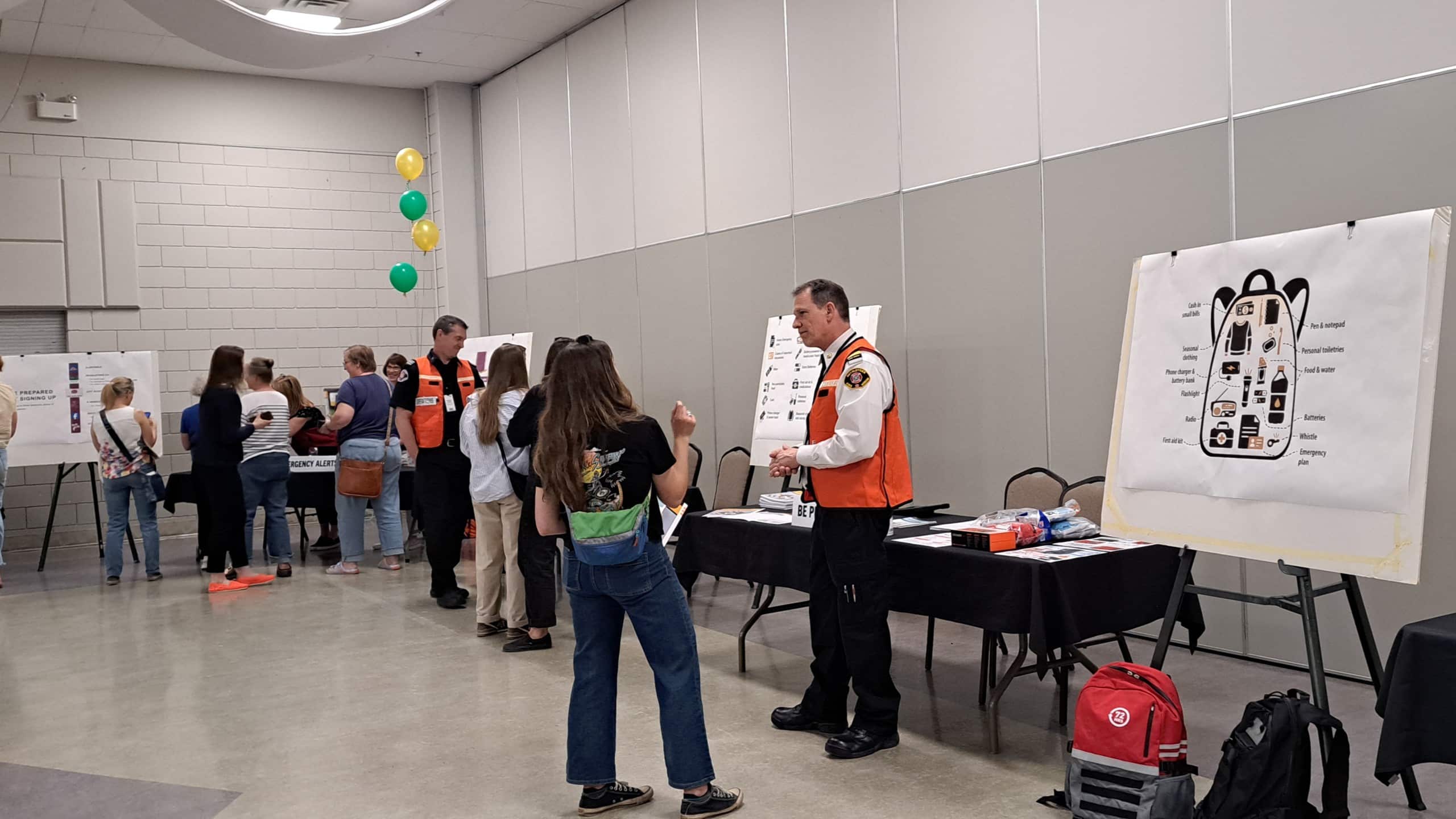
Building trust and relationships with the community includes having an active social media presence, attending local events and working with other local organizations such as Revelstoke Library’s Touch a Truck event.
“Being able to give people information on a regular basis that is not a crisis, where they then have time to digest that information in a calm setting, that creates the expectation that they can use our page, our socials as a resource,” he explained.
In the game of “first to know,” DeRousie knows residents will turn to community voices already established to verify information before turning to official channels. Those established voices, such as local radio stations or public figures, could help or hinder RFRS’ efforts to get correct information out.
“The community has to work with the information that they’ve got,” DeRousie said, explaining that everyone should be comfortable checking government channels, the BC Wildfire app and website, Alertable and Emergency Info BC to stay informed about what actions to take and what threats are in the area.
Trust goes both ways, and DeRousie explained emergency services need to trust that their communities can handle complex information during emergency events.
“We have fear of causing fear, that excess fear causes panic, which causes problems and can make the situation worse. We do have to recognize that most people can handle it, so we have to tell them as much as we can in these events.”
Confidence in the community also extends to trusting that residents are aware of emergency alert apps, local emergency channels and evacuation plans.
“If we can tell people more information, more good information, without instilling fear then they’ll be able to make better decisions and actually create a less serious situation.”
That includes information outside of emergency events, such as the Emergency Preparedness town hall and the Facing the Flames panel. At the event DeRousie stressed what residents need to expect during a wildfire event and how everyone within a community could prepare.
Originally worried his blunt remarks, “the reality is that not everything will survive a wildfire event,” would stir up more anxiety than action, DeRousie has heard appreciation from residents for his blunt truth.
“People appreciated the truth – the truth of the matter is there’s some hard decisions that are going to have to be made. We’re going to do our best, we sometimes will make mistakes. I think that’s something that people should understand.”
What did you think of this story?
Your feedback after we publish a story helps ensure we're always improving our reporting to better serve you
Author

Related Articles
Wastewater treatment plant upgrades set to future-proof facility for 2 decades
Plans to include Big Eddy residents and businesses into the updated facility still in the early stages, city director of engineering says.
Commercial bear attractant bylaws need update, Bear Aware Society executive director says
Residents ask what the future of commercial wildlife attractant bylaws are following long weekend garbage mix up.

Birch and Lace salon offers apprenticeship-style academy for future hair stylists
The skills program aims to keep residents in town and learning in-house as salon founder focuses on accessible education opportunities.