
Revelstoke looks to cut airport deficit, boost growth
City economics development group is exploring short-term opportunities to help build long-term sustainability.
Editor’s note: This article was edited Wednesday, Sept. 17 to correct Cat Moffat’s job title.
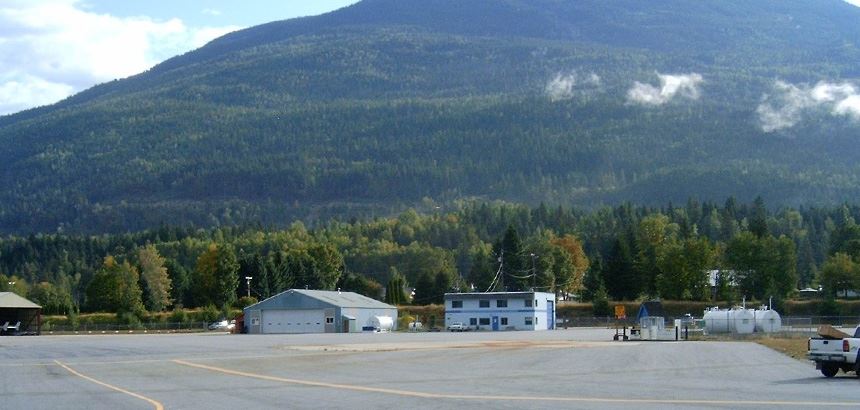
The city is eyeing future opportunities for the Revelstoke Airport in a bid to maximize its economic impact and reduce drag on city resources.
Currently the Revelstoke Airport operates in a deficit, bringing in nearly $693,000 in revenue but over $872,00 in expenses in 2024. Year after year, 85 per cent of the deficit is covered by city taxes and 15 per cent is covered by regional district taxes.
“We have an increase in stakeholders and economic opportunities now as times change,” Cat Moffat, City of Revelstoke manager of community economic development said at a Wednesday, Sept. 10 Revelstoke and Area Economic Development Commission meeting.
An Airport Working Group will further explore what options the city has for the Revelstoke airport before presenting to council at a future meeting.
One of the expenses driving the deficit that could easily become a revenue asset is Revelstoke Airport’s fuel prices, which are below market compared to other regional airports and fuel costs across the province.
Coupled with the airport acting as a wildfire operating centre, 2024 marked the latest in a high fuel use year that saw the city largely covering the difference in fuel costs.
“We’re still almost on par for the deficit no matter how much fuel they’ve sold. So that’s some low hanging fruit we should look at,” Moffat said.
A more substantial change to managing the airport could be the city retaking ownership from the Columbia Shuswap Regional District. The city sold the airport to the regional district over 40 years ago, and updating fuel prices, along with other economic opportunities such as landing fees is set by the owner. Retaking ownership could help speed things along, with the regional district missing a regular presence within the city to monitor use of the airport, Moffat said.
In a 2022 assessment of future development options, regional district staff noted a high demand for hangar spaces. With pad prices still below current market prices, increasing that cost is another option Moffat said the city could explore.
“The question now is what small opportunities help with that deficit and then what growth do we want from there?” Moffat said.

What did you think of this story?
Your feedback after we publish a story helps ensure we're always improving our reporting to better serve you
Author

Related Articles

Revelstoke Mountain Resort provides updates on infrastructure upgrades and partnerships
Resort president Jason Kelder shared planned changes coming to the resort, which include a new warming hut.

Regional district board backs sale of Revelstoke airport
The City of Revelstoke is seeking to retake ownership of the airport, which was sold in 1980.
‘It impacts my whole life’: Residents share concerns with wastewater treatment plant stench
With wastewater treatment plant smells expected to last through the summer during construction, residents want the health impact acknowledged.