
Revelstoke bylaws adapt to growing bike culture and e-bike riders
Biking bylaws are expected to change over the next decade as new infrastructure and assisted bikes roll out, manager of development services says.

Biking as a recreational activity and method of commuting has been a part of Revelstoke’s culture since the city’s incorporation in 1899. Now the city is putting a new focus on supporting cycling in the Transportation Master Plan, building on infrastructure, education and accessibility.
As biking regulations change to keep up with electric bikes and new bike routes Kenny Gipps, manager of development services says bylaw communication will be staff’s focus.
“We are going to be education-first when it comes to enforcement of certain regulations relating to bicycle safety, especially on e-bikes,” he explained. “It is an evolving topic that people are just starting to get used to.”
The city’s updated biking bylaws include future developments requiring covered or enclosed bike storage options to protect from Revelstoke’s weather. With some high-end bikes starting at $15,000, Gipps explained that proper shelter at residential and commercial areas is needed to support Revelstoke’s biking community.
“When you’re talking about a bicycle that’s worth that much, you don’t want to have it just locked up outside, because then you’re asking for some challenges,” he said.
As with all bylaws, residents and visitors have a duty to keep up-to-date with biking regulations, Gipps said. He encouraged residents with questions or concerns to reach out to the Bylaw Compliance Services office for the most accurate information. Education and outreach opportunities will be a focus as the city continues to navigate the growing regulations around biking, he added.
“Bylaws relating to bikes are going to continue to evolve over the next five to 10 years as we start to push more on getting people out of the vehicles and walking and biking places,” he said.
Following rules of the road
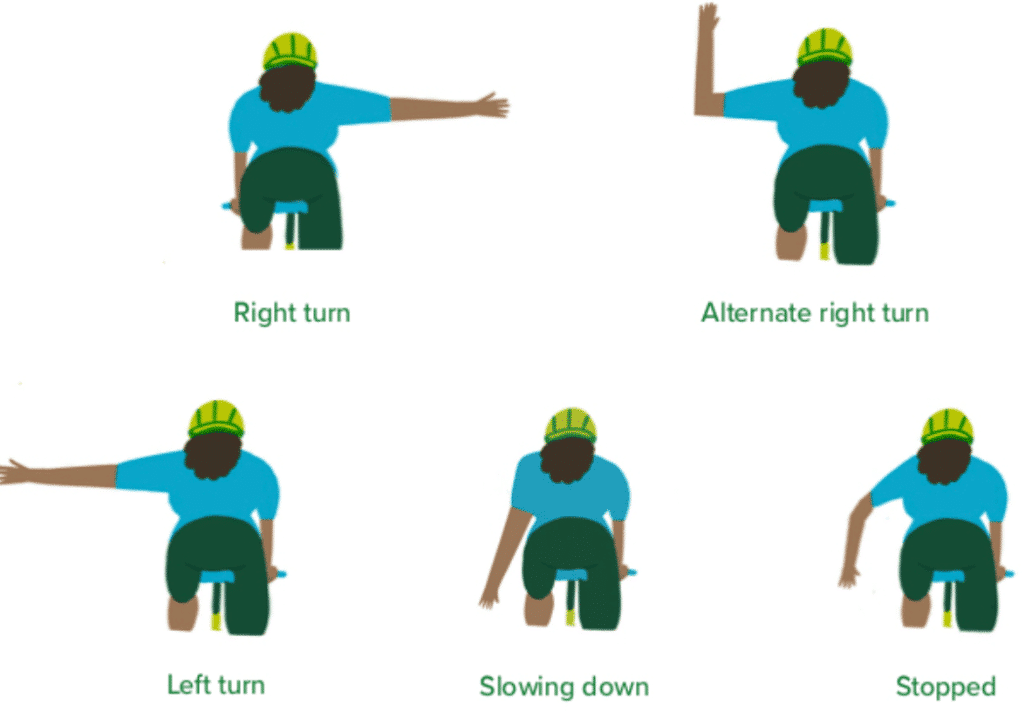
The most common complaints about bikes include traveling on sidewalks and not stopping at stop signs, which have prompted a Revelstoke RCMP reminder that both e-bikes and peddle bikes are a vehicle. As such, operators must follow the rules of the road including traffic and highways bylaws.
Rules of the road include traveling on the right side of the lane, using lights and reflective materials and using hand signals such as the ones laid out in the B.C. Motor Vehicle Act to indicate turning and stopping.
Always remember: “If you are riding it, you are considered a vehicle. If you’re walking it, you’re a pedestrian,” Gipps said.
Treating bikes as another vehicle on the road applies to drivers as well, Gipps added. Motor vehicles must give cyclists a safe distance, pass only when appropriate and follow right-of-way regulations at stop signs and intersections.
“Keep your safe travel distance as you would with any other vehicle, and make sure that they’re aware that you’re there,” he advised drivers.
Keeping riders and pedestrians safe
There are some designated paths throughout the city that move bike traffic off the streets, providing a safer route for cyclists. Even on these, courtesy for all users is still key, including safely passing pedestrians, strollers and dogs.
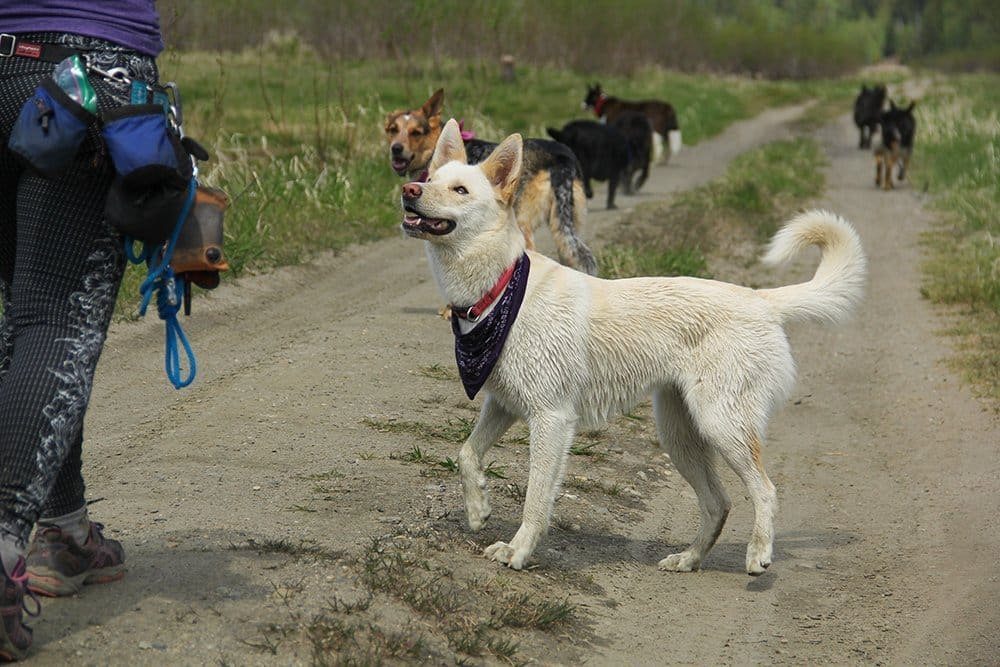
“Be respectful and cognizant that not every dog is comfortable being around a bike just flying by. They may get spooked, then that could cause the dog to react in a negative way,” Gipps said, adding that conflict between bikers and dogs is one of the highest reported bylaw complaints.
Legally required helmets are also a major flag for bylaw and RCMP officers. Tickets for not wearing a helmet could be up to $100 per the provincial motor vehicle act. Protective gear doesn’t stop there, and Gipps encouraged riders to invest in elbow, wrist and knee guards.
“A lot of these road bikes and e-bikes, you can get moving pretty quickly and end up going close to the same speed as some vehicles. It hurts when you crash.”
Additionally, riders must be over the age of 16 to operate an e-bike or motor-assisted bike alone. Young riders must be accompanied by a guardian.
“They don’t necessarily have to be on that bike, but with them to make sure that they’re abiding by safe practice and safe riding,” he said of guardians.
For more information contact the Bylaw Compliance Services office at [email protected] or by calling (250) 837-4747.
What did you think of this story?
Your feedback after we publish a story helps ensure we're always improving our reporting to better serve you
Author

Related Articles

Revelstoke Mountain Resort provides updates on infrastructure upgrades and partnerships
Resort president Jason Kelder shared planned changes coming to the resort, which include a new warming hut.

Regional district board backs sale of Revelstoke airport
The City of Revelstoke is seeking to retake ownership of the airport, which was sold in 1980.

‘It impacts my whole life’: Residents share concerns with wastewater treatment plant stench
With wastewater treatment plant smells expected to last through the summer during construction, residents want the health impact acknowledged.