
Residents counter 4th Street bike lane plans
Cyclists put forward alternative strategies for commuter bike lanes in Revelstoke.
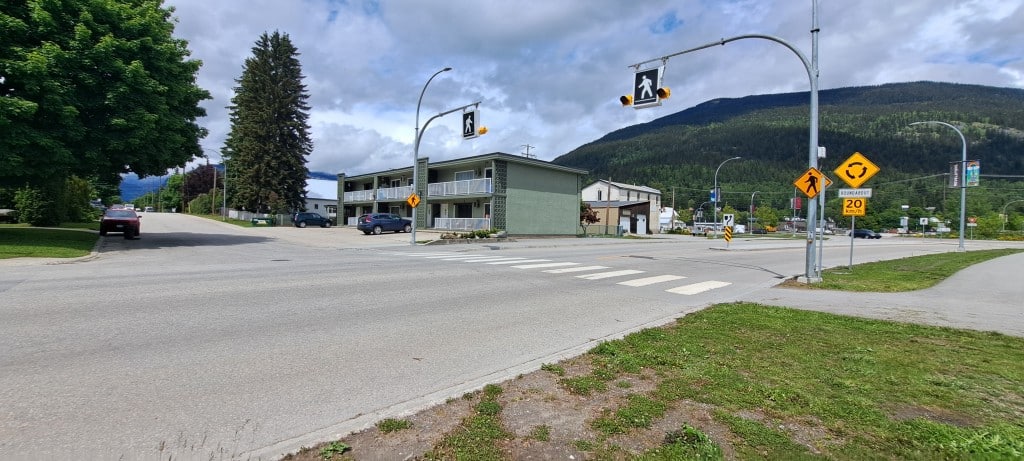
Plans for bike infrastructure to be installed along Fourth Street from the Illecillewaet bridge to the Victoria roundabout could see major adjustments to the sole road connection over the Illecillewaet river. The section is currently a collection of traffic-calming strategies as the city researches the best way to develop road infrastructure in the area.
The City of Revelstoke partnered with WSP, an engineering and professional services firm to study how to redesign Fourth Street, including bike infrastructure to the Illecillewaet bridge. WSP presented their Fourth Street Active Transportation Improvement report in an April 18 Public Infrastructure Committee meeting.
In the report, WSP recommended that Fourth Street be redesigned as a long-term bike route, adding that improvements to the roundabout to allow for pedestrians and cyclists would be necessary. The design objectives for this option include traffic calming as well.
Local cycling advocates respond
Local cyclists and safe cycling citizen advocates, including Mike MacNeil and Tom Robson, urged council to consider other options citing the heavy traffic already seen on Fourth Street.
For MacNeil, a full-time bike commuter, the time to put some long term thought into Revelstoke’s bike infrastructure is now.
“Strike while the iron is hot,” MacNeil said. “We’re already a very bike-forward town, and that’s going to keep growing.”
Rather than incorporating a bike lane on bustling Fourth Street, MacNeil encouraged city staff and council to consider Fifth Street as an alternative.
“There is a lot of bike usage on Fifth Street,” MacNeil explained. “Traffic wise, it’s a lot calmer and it accesses parts of town the Fourth Street development is aiming for.”
Bike infrastructure needs to benefit all stakeholders in the project, MacNeil and Robson argued to city council. Adding it to Fourth Street could remove parking access for cars, as stated in the WSP report. Instead, Fifth Street would be a cost-saving win, with fewer resources spent on traffic calming measures.
Concerns raised in the report about implementing the bike infrastructure on Fifth Street include issues with crime prevention through environmental design which make Collia Lane “not suitable for all ages and abilities.” Additionally, the report cites limited significant destinations on this route and a pedestrian crossing in close proximity.
The future of biking in Revelstoke
Anticipating future growth is vital, and Revelstoke’s current population and traffic levels are shifting community needs, MacNeil stressed. From his point of view, now is the best time to get ahead on biking infrastructure.
“There’s no slowdown for the amount of people either visiting or moving to Revelstoke,” MacNeil said. “The traffic in this town is just going to grow and we should be focusing on keeping everyone safe.”
Part of that safety includes planning for a future with more electric bike options as well, with MacNeil seeing the need for more open routes and fewer bikes on sidewalks as paramount to pedestrian safety.
Regardless of which route council and staff consider in the plans of bike infrastructure development, MacNeil admitted that there would be concerns.
“We’re going to go through a period of pain adjusting to all of this,” MacNeil said. “We don’t have the ability to support increased density that also includes the number of vehicles some own, and maybe that means downsizing to using a bike for trips around town instead.”
What did you think of this story?
Your feedback after we publish a story helps ensure we're always improving our reporting to better serve you
Author

Related Articles

Birch and Lace salon offers apprenticeship-style academy for future hair stylists
The skills program aims to keep residents in town and learning in-house as salon founder focuses on accessible education opportunities.
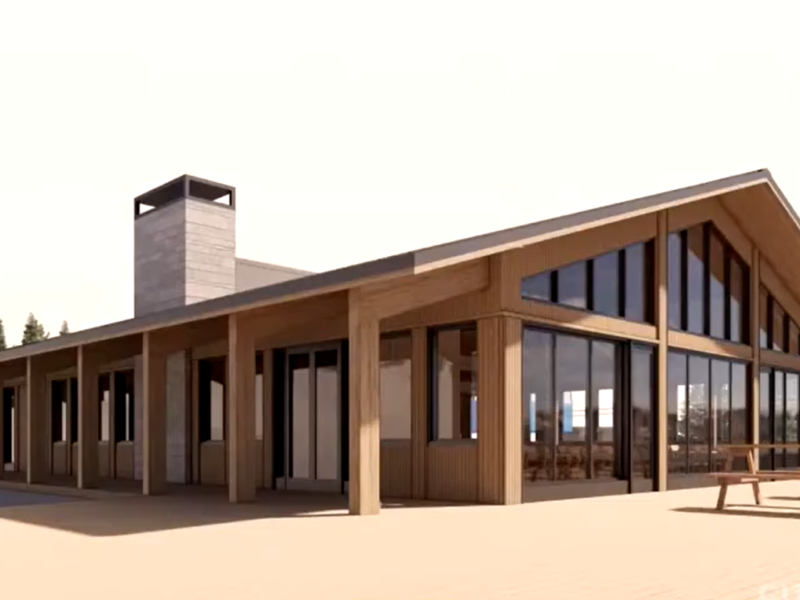
Revelstoke Mountain Resort provides updates on infrastructure upgrades and partnerships
Resort president Jason Kelder shared planned changes coming to the resort, which include a new warming hut.
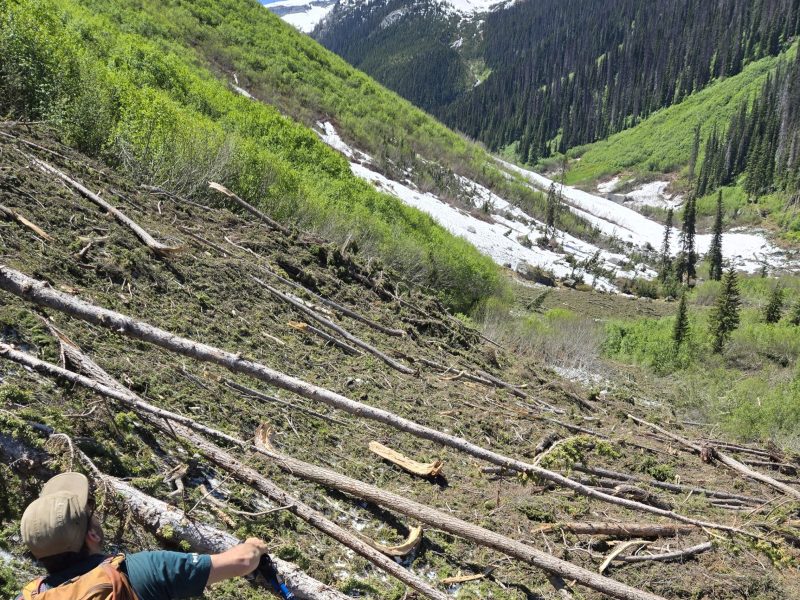
Glacier National Park trails remain closed following heavy avalanche season
Balu Pass trail, along with two others are closed indefinitely as Parks Canada staff evaluate how much of the popular trails will need to be rebuilt.