
Here’s how to prepare for winter driving
The difference between mud and snow tires, what to pack in case you’re stuck on a highway and how to keep calm this winter driving season.
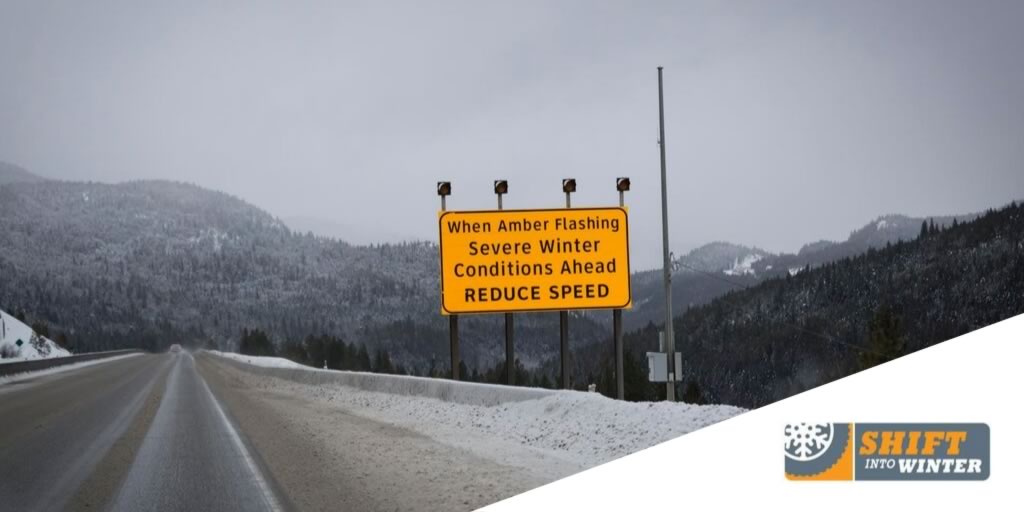
Revelstoke’s rainy fall is slowly shifting into a snowy winter, with seasonal road conditions starting to change. Road Safety at Work’s Shift Into Winter campaign has been working to inform drivers on the dos and don’ts of driving in snow and slush.
Winter tires
Winter tires, marked with a snowflake inside a mountain or mud and snow tires, marked with an M+S are required on personal vehicles traveling major highways throughout the province. The tires must have a tread no less than 3.5 millimeters. Traveling Highway 1 through Revelstoke and Highway 23 north of Revelstoke requires winter tires from Oct. 1 to April 30 and traveling Highway 23 south of Revelstoke requires winter tires from Oct. 1 to March 31.
Winter tires aren’t just helpful for snowy or slushy roads, but can also provide better traction in colder temperatures, retaining a bit more flexibility and sticking to roads better. Mud and snow tires begin to lose that flexibility around 7 degrees Celsius.
Emergency kit
As the highways around Revelstoke see closures due to avalanche control and severe storms, it’s a good idea to keep an emergency kit packed in your vehicle. Some items to include are:
- Food that won’t spoil and that can be easily stored so as not to attract animals.
- Water, preferably in a plastic bottle that won’t break if the water freezes. Empty out a bit of the water to allow for freezing expansion if that is your only option.
- Blanket. Emergency mylar blankets are best, but any blanket is better than none.
- Extra clothing and shoes or boots.
- First aid kit with a seatbelt cutter and lighter or matches.
- Small shovel, scraper and snowbrush.
- Candle in a deep can or glass container.
- Wind‑up flashlight
- Whistle
- Hard copy roadmaps or map book
Plan to also keep sand, salt or non-clumping cat litter to aid in traction if your vehicle ends up stuck or spinning. Keep antifreeze and windshield washer fluid topped up and refill jugs in your car. Have an emergency road kit that includes a tow rope, jumper cables, a fire extinguisher and warning light or road flares.
Adjust for winter driving
Even with appropriate tires, vehicles might not stop as quickly in winter conditions. Keep four seconds of space between you and the vehicle in front of you to allow personal reaction time and vehicle reaction time to stop or change speed. Give additional space if conditions worsen, including if visibility reduces.
Remove all snow and ice from the top of your vehicle before traveling to avoid hazards sliding off your vehicle into the path of those following or sliding forward and impeding your visibility. Use your fog lights in low light conditions or with blowing snow. High beams can blind other drivers and cause light to reflect back off falling snow, reducing visibility. Use your hazards if visibility decreases substantially to help other drivers see you.
Black ice, the first thin layer of ice that forms over roads as temperatures hit freezing, can be hard to spot. If you’re pulling out the windshield scraper before heading out, there’s a chance black ice has formed on the roads. Keep an eye out for sections of the road that look black and shiny, as if recently rained on.
Accelerate and brake slowly to keep from tires losing traction or from skidding out. If your vehicle starts to skid, ease off the brake or accelerator. Look and steer in the direction you want to go with slow movements so as not to oversteer. Smooth steering is the key to recovering. If you’re on ice and skidding in a straight line, step on the clutch or shift to neutral and keep the vehicle going straight as it loses momentum if the line ahead of you is clear.
If your vehicle ends up stuck, turn on your hazard lights and make sure you and your vehicle can be clearly seen. Dig out as much room in front and behind your tires to allow movement. Traction mats, cat litter or sand can then be placed right in front of your drive wheels to help with traction. Slowly pressing the accelerator, gently rock your vehicle back and forth by shifting from forward to reverse. Gradually increase the distance with each rocking motion until your vehicle is able to clear the area and get back on a section of road with better traction.
Stay prepared and safe this winter Revelstoke!
What did you think of this story?
Your feedback after we publish a story helps ensure we're always improving our reporting to better serve you
Author
Related Articles

Birch and Lace salon offers apprenticeship-style academy for future hair stylists
The skills program aims to keep residents in town and learning in-house as salon founder focuses on accessible education opportunities.
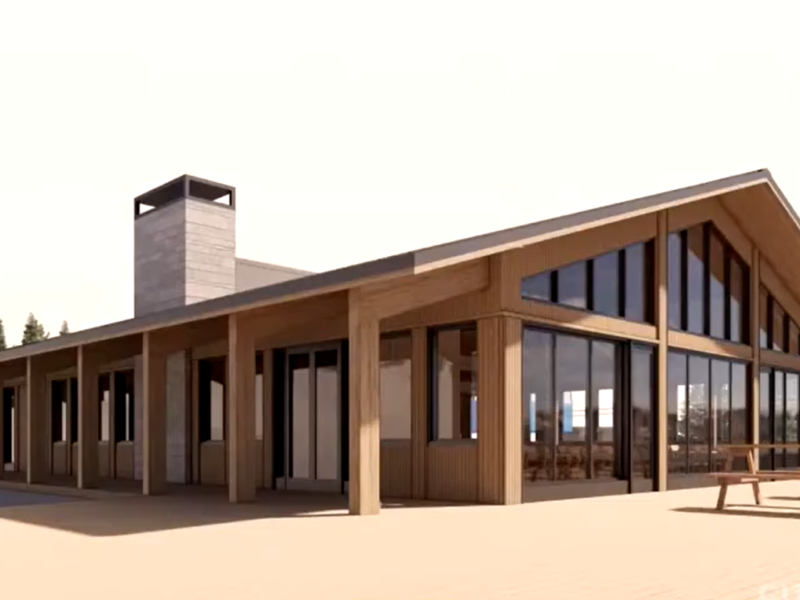
Revelstoke Mountain Resort provides updates on infrastructure upgrades and partnerships
Resort president Jason Kelder shared planned changes coming to the resort, which include a new warming hut.
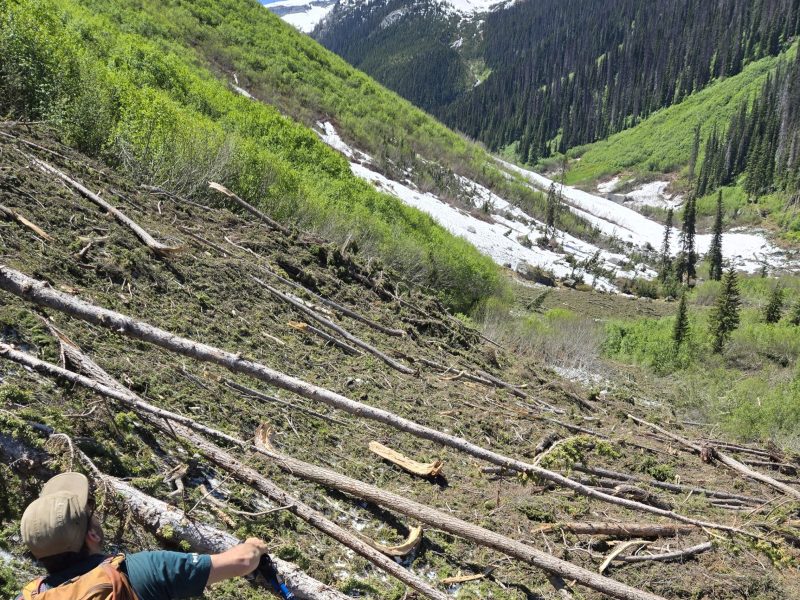
Glacier National Park trails remain closed following heavy avalanche season
Balu Pass trail, along with two others are closed indefinitely as Parks Canada staff evaluate how much of the popular trails will need to be rebuilt.