
People Like Us champions Queer culture in outdoor sports
Local filmmaker Ryan Collins’ directorial debut screens at Revelstoke Performing Arts Centre Friday, Dec. 1.

Ryan Collins’ film People Like Us holds two truths at the same time: 2SLGBTQ+ folks often feel isolated in rural Canadian towns and the overall outdoor sport culture, and there is community to be found within these spaces. The local filmmaker’s directorial debut screens at Revelstoke Performing Arts Centre Friday, Dec. 1, followed by a panel featuring People Like Us film participants and queer voices in Revelstoke.
While the film largely focuses on the Revelstoke area, Collins told the Mountaineer that stories throughout rural mountain towns in B.C. share the same themes.
“It’s really easy to feel isolated when a core part of yourself is not being seen, or even feeling like you don’t have that strength in numbers,” Collins explained, noting isolation is a feeling that affects all marginalized communities within snow sports and outdoor sport communities.
People Like Us interviews skiers, snowboarders and other 2SLGBTQ+ outdoor sport enthusiasts, who share tales of finding community on the slope, ski lift and throughout the town. It also affirms the feelings 2SLGBTQ+ folks might have when a larger sport community welcomes you but doesn’t provide space for a key part of your identity.
“In regards to rural living, I think everyone felt that sense of being on display,” Collins said of the common threads in the stories shared in People Like Us. Whether youth building the courage to explore their identity or adults trying to find space to be fully themselves, Collins said the small town vibe of everyone knowing everyone can stifle the fluidity of identity.“There’s a lack of anonymity in these towns.”
While People Like Us started as Collins trying to answer personal questions on why he felt detached from these seemingly open spaces, he wants the film to provide answers and comfort to the rural mountain 2SLGBTQ+ community as a whole.
“I always have younger people in mind, but anyone that’s struggling can watch it and know that there’s resources available for people,” he explained. ”If [queer community] is something that people are interested in being a part of, they can definitely make it happen.”
It’s a positive Collins was able to find throughout the interviews and display in the documentary. The ways that communities can find spaces within mountain towns, no matter the size of the population, and find ways to match 2SLGBTQ+ needs.
“There’s a lot of strength that comes from that kind of kinship. Of just being around people who you know that share some sort of a similar experience with you.”
That core question of community within the documentary is something Collins grappled with first hand even before moving to Revelstoke in 2020, his previous job in another ski town drying up as the COVID-19 pandemic shuttered much of the industry. Finding work within the hospitality industry in Revelstoke, Collins was able to make some community connections but also saw two very different sides of the town’s overall identity.
“I definitely kind of met both sides of the Revelstoke population, you could say. I kind of got to know the service industry workers who are all here for a similar reason: to work and ski. Then working at the pub, I got to know the long-term locals and maybe a general impression of blue collar conservative folks.”
Collins’ own experience of bigotry and homophobia within a town where stainglass Pride flags adorn many of the shop entrances seems to speak to a dual truth in Revelstoke.
“It’s easy to put up a pride flag in the window of your store,” Collins explained. “But when the pride crosswalk was painted in this town, it wasn’t very well received. I think that the way that people want Revelstoke to appear to tourists and the way that it actually feels to people that live here is maybe like two different stories.”
While Collins noted that general queerphobia has dropped noticeably within outdoor sport communities such as skiing and snowboarding, there are still numerous cultural norms within those spaces that alienate 2SLGBTQ+ participants. Interviews in the documentary share moments of isolation as queerphobic slurs and derogatory comments are treated as the norm amongst other skiing and snowboarding enthusiasts.
“It definitely all contributes to you kind of just trying to fit in as best as you can to not draw attention to yourself.”
How outdoor sport spaces can have blinders on when it comes to who is included and feels safe in the space is a part of mountain culture Collins hopes the documentary can shine a spotlight on.
“There are groups of people, whether they’re queer or BIPoC, that definitely aren’t experiencing these spaces in the same way as they are.”
Even Collins agrees that voices are still lacking within the documentary, a symptom of those voices missing in mountain towns and also still overshadowed within 2SLGBTQ+ spaces.
“The one thing that’s bothered me about the film, since making it, is maybe just like the lack of BIPoC and trans binary people in the film,” Collins says. “The lack of that diversity is a pretty solid representation of the reality of these communities. As cis, white queer people it’s maybe easier for us to fit in, for lack of a better word. But for anyone that’s BIPoC or trans, [ski towns] are probably very unwelcoming spaces.”
For Collins, that fact remains a continued call to action for his spaces and the overall world of mountain towns and outdoor sports.
“It’s something that I think people should maybe open their eyes up to as proof that maybe there’s some change that could take place.”
Prior to the screening there will be a community market, live music and raffle prizes. You can purchase tickets online, all ticket sales will go towards Open Mountain’s winter programs for youth and QTBIPOC skiers and snowboarders.
What did you think of this story?
Your feedback after we publish a story helps ensure we're always improving our reporting to better serve you
Author
Related Articles
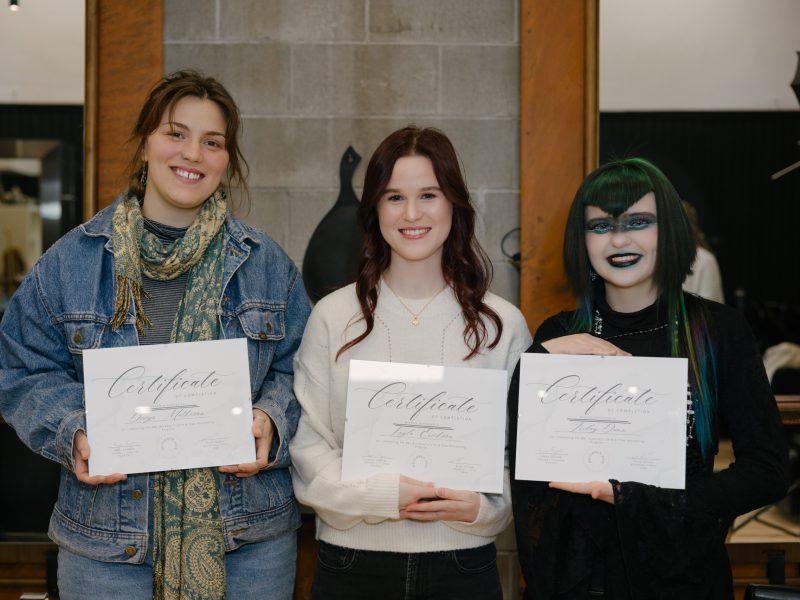
Birch and Lace salon offers apprenticeship-style academy for future hair stylists
The skills program aims to keep residents in town and learning in-house as salon founder focuses on accessible education opportunities.
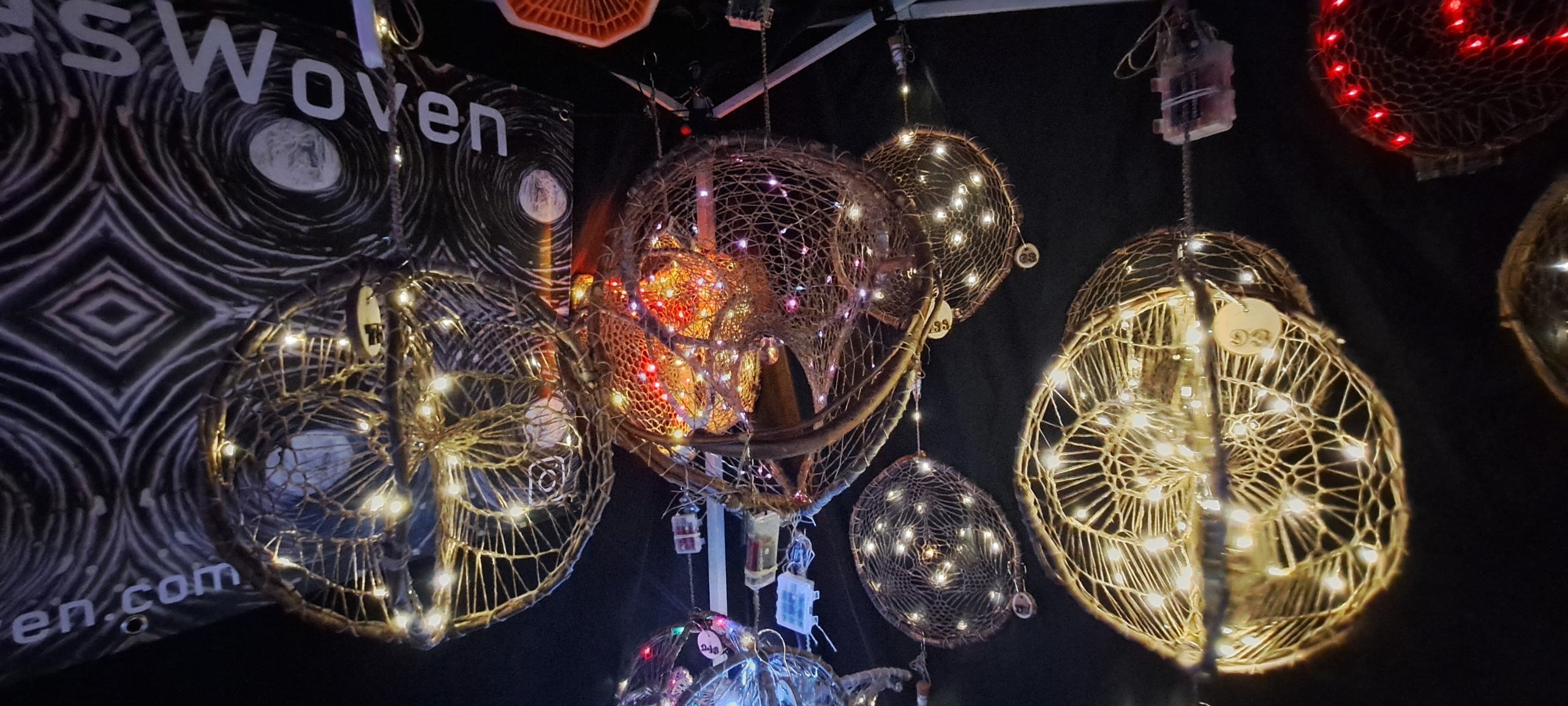
Revelstoke hosts inaugural Indigenous Artisan, Creator and Fashion Gathering
Indigenous creators and artists came from across Canada to celebrate Indigenous Peoples Day Saturday, June 20 and Sunday, June 21.
REVY.Live Outside expands outdoor concert series into Labour Day long weekend
Bonus shows push summer music performances into September with a community open mic ending the season.