
Columbia Shuswap Invasive Species Society turns 10
Established in 2013, Columbia Shuswap Invasive Species Society is part of a network of invasive species groups in B.C.

The Columbia Shuswap Invasive Species Society celebrated its 10th anniversary in mid-June. The Columbia Shuswap Invasive Species Society (CSISS) is a non-profit organization dedicated to the prevention, management, and reduction of invasive species on the Columbia Shuswap Regional District.
“This significant milestone marks a decade of dedicated efforts to protect ecosystems in the region from threats posed by invasive species,” the society said in a statement. CSISS was established in 2013 and is part of a network of 13 regional invasive species groups in the province. The groups work in cooperation with the Invasive Species Council of BC.
The society held its milestone celebration in June, which featured a presentation on invasive species by CSISS technician Nolan Novotny, and a nature walk – which included a stop at an interactive boot brush station installed on the Revelstoke Greenbelt – led by outreach coordinator Jess Both. In its statement, CSISS said the celebration was an “opportunity to honour the contributions and commitments of past and current staff and board members, key partners, funders and volunteers.” Awards were presented to recognize the contributions of individuals who have played a pivotal role in the society’s success over the past decade.
“Since its inception, CSISS has made progress in tackling invasive species and their impact on our natural environment. Through collaboration, education, and on-the-ground initiatives, we have been working to preserve the delicate balance of our local ecosystems. Our achievements are the product of the dedication of our staff, board members, and the support of the community and funders.”
The society has created priority invasive plant lists, which can be found on its website columbiashuswapinvasives.org. High priority invasive plants identified in Revelstoke include Bighead knapweed, giant hogweed, nodding thistle, plumeless thistle, poison hemlock, scotch thistle, wood sage, yellow flag iris, and bur chervil among others.
What did you think of this story?
Your feedback after we publish a story helps ensure we're always improving our reporting to better serve you
Related Articles
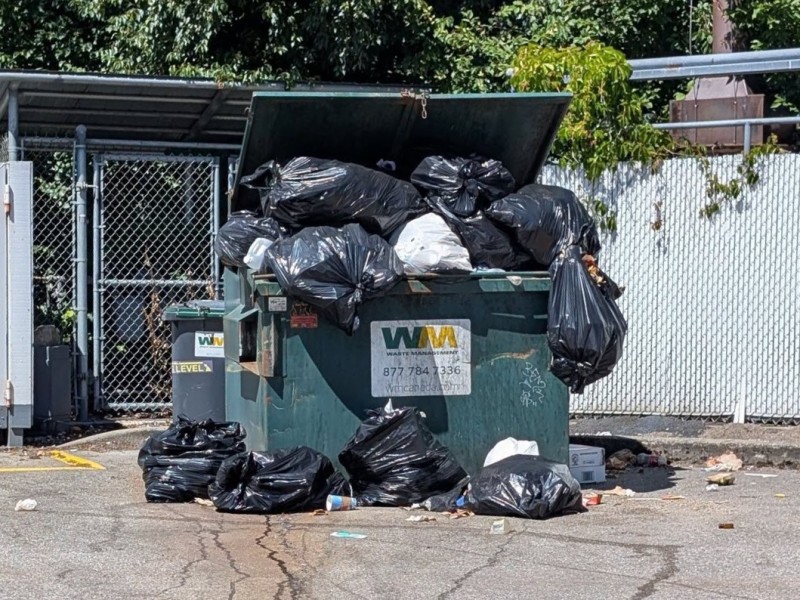
Commercial bear attractant bylaws need update, Bear Aware Society executive director says
Residents ask what the future of commercial wildlife attractant bylaws are following long weekend garbage mix up.
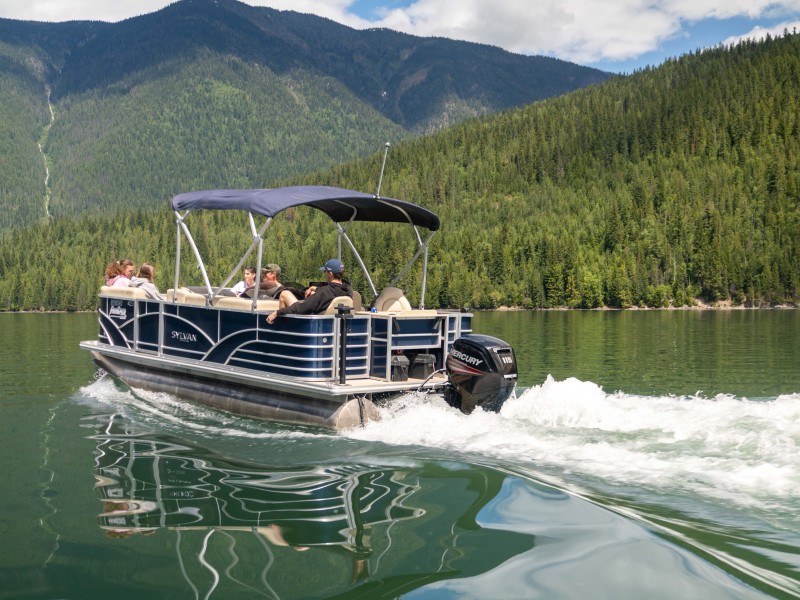
Boaters reminded to keep speeds low near shorelines
Wakes can increase erosion and impact nesting birds, according to Ministry of Water and Lands and Resources Sustainability.
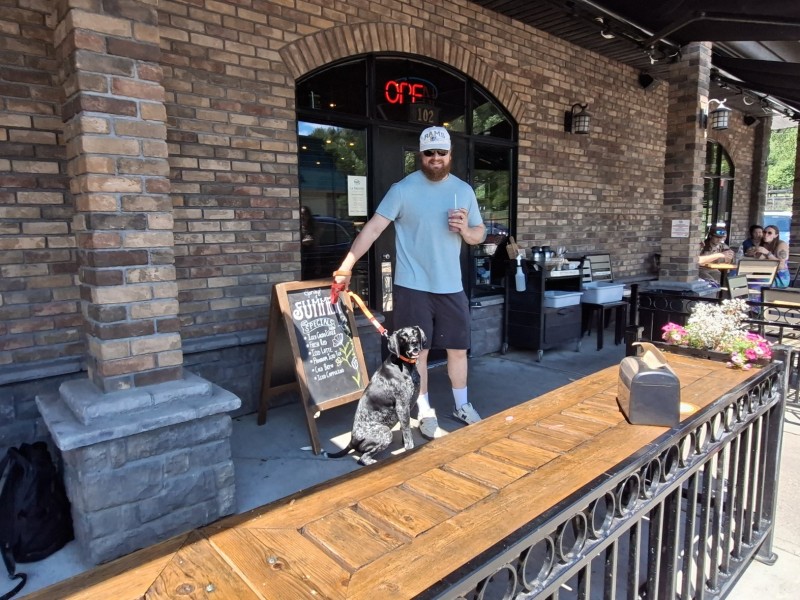
Revelstoke’s dog-friendly patio round-up
Can Fido join you at the table? Or is there a relaxing “dog parking” spot with a fresh bowl of water for them? Here’s where you can and can’t take your dog dining in Revelstoke.