
A silent farewell to the Box Canyon log jam
Snow melt, rainfall and high water flow on the Illecillewaet River cleared out roughly 200 metres of logs and debris Thursday, May 28 with no infrastructure damage downstream.
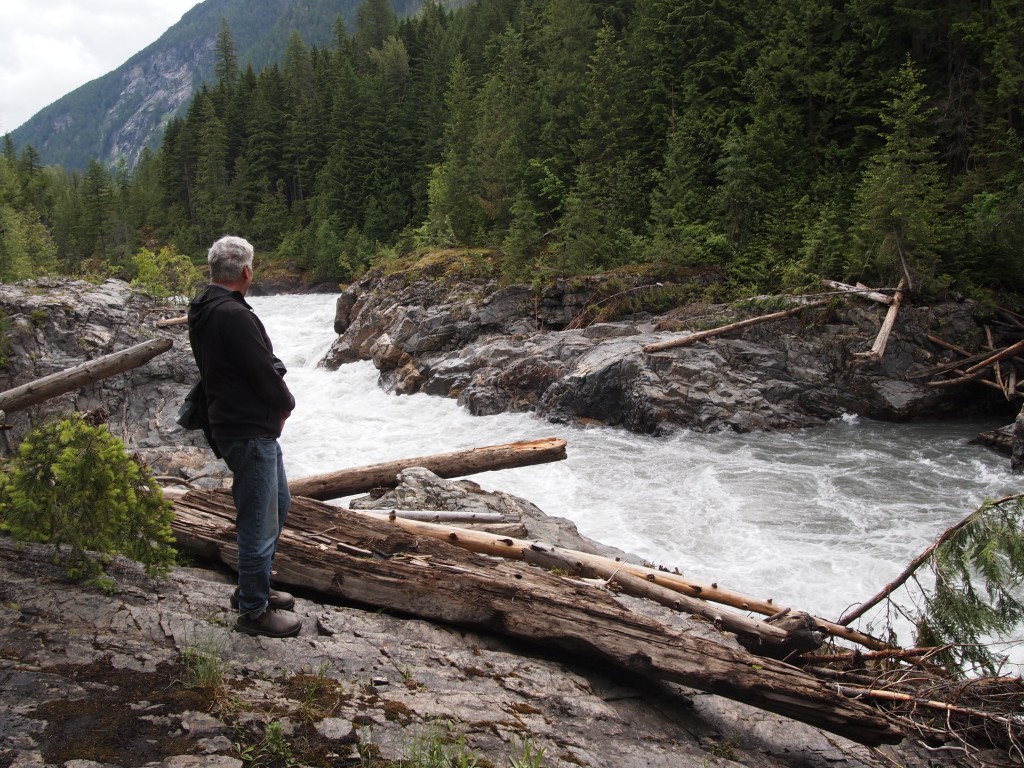
The Box Canyon log jam, one of Revelstoke’s largest infrastructure puzzles, sorted itself out late Thursday, May 28 after days of rain and rapid snowmelt swelled the Illecillewaet River.
While remnants of the blockage are still snared up on the tops of the canyon walls and in the various rockface divots carved out by the water, the river is now running largely unhindered after nearly 12 years.
“As the saying goes, raised water lifts all boats,” Steve Black, director of engineering and public works said during a tour of the site Friday, June 5.
In the Mountaineer’s initial tour of the log jam in July 2025, Black expressed concern with the log jam, noting a natural solution could send the a rush of debris tumbling down the Illecillewaet River and into city infrastructure such as the Fourth Street bridge, Revelstoke’s main route to the hospital and airport.
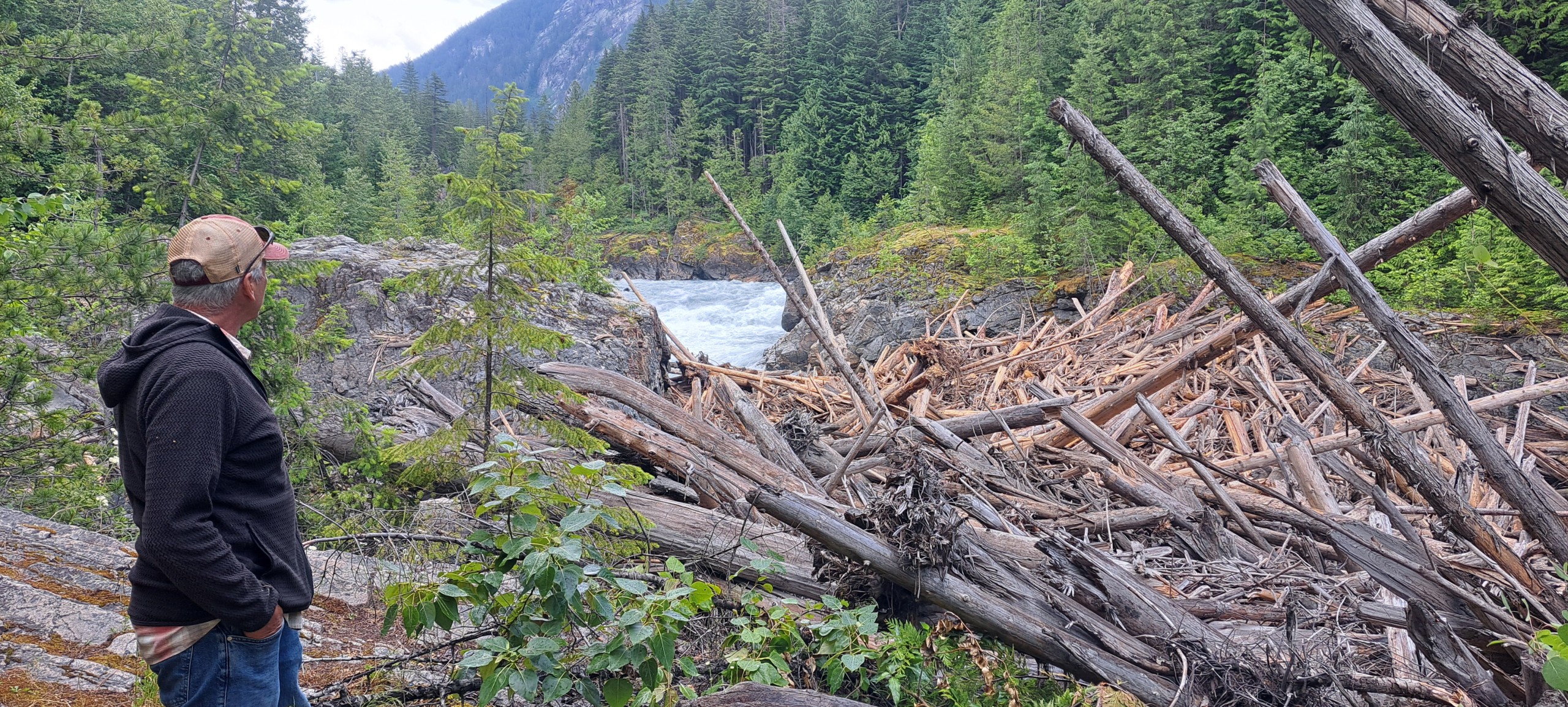
Instead, the recent influx of snowmelt and rainfall raised the river steadily enough that the logs were lifted up and over the rockface, evidenced by the few logs deposited on the overhangs well above the river.
“We’re thankful that Mother Nature has delivered us a short-term solution to the log jam in the form of a five-year storm event with no damage to infrastructure or property,” Black wrote in a press release.
Despite the fortunate turn of events, there is still work to do to ensure a new jam doesn’t build up in the same area, which is narrow and prone to snares.
Now the focus is on getting ahead of the problem before the couple dozen logs still dotted along the perimeter collect more debris. City staff and council have championed provincial and federal support to clean up the Box Canyon log jam and create a catch system upstream, a slow back-and-forth that Black has been working on since he joined the city in 2019.
The most recent estimate of $800,000 to mechanically remove the logs and cart them out of the canyon was only part of the cost to entirely solve the log jam. Now that budget and staff time could be diverted to other projects.
“We have got so much on the go. These sorts of fires cause us to defer something else in order to come and manage this,” Black said. He’s hopeful that attention to the log jam during the recent Southern Interior Local Government Association convention gets the city a little closer to mitigation plans taking shape now that the focus isn’t on clearing the debris.
“We know it’s going to happen again. The risk level is always going to be there, and the city can’t afford to lose our only access across the river,” he said, referring to the Fourth Street bridge.
The idea is still to create a catch net upstream from where the Illecillewaet River narrows into the canyon and regularly clear out captured logs and debris. For Black, this solution ensures large washouts of logs such as the one that originally formed the Box Canyon log jam don’t plug the canyon back up. Still, it’s a project that comes with a big price tag and necessary provincial input, he added.
“I still believe that’s the right way to proceed,” Black said.
As Evan Parliament, Revelstoke chief administrative officer explained in a Nov. 12, 2024 council meeting, waterways such as the Illecillewaet River are under provincial jurisdiction and work on the river requires approval such as the Section 11 application Revelstoke submitted in June, 2025.
“If any mitigation of this natural hazard were to be planned and implemented, it would largely be initiated by the local authority, with permitting and regulatory oversight by the province,” the Ministry of Water, Land and Resource Stewardship wrote to Revelstoke Mountaineer.
Box Canyon recreation needs caution
Before the log jam snared the river up entirely, the Box Canyon was becoming a hot spot for whitewater sports such as kayaking. The Revelstoke Paddlesport Association has been a champion for clearing out the log jam and has actively worked to keep local and visiting paddlesport enthusiasts aware of changing risks around the jam.
“For many years, the accumulation of wood in this section created an increasingly significant safety hazard for recreational users of this river corridor,” Geoff Stewart, Revelstoke Paddlesport Association president said.
With the jam now clear, Black and Stewart both stressed safety and cautious recreating as river levels continue to change and debris spots are located.
“River conditions can change significantly following high-water events, and hazards such as wood, strainers, changing channels and newly deposited debris may exist throughout the watershed,” Stewart said.
While debris from the Box Canyon log jam seems to have spread out down the Illecillewaet River and into the Arrow Lakes south of Revelstoke, the main waterway appears to be clear for recreational usage. As paddlesports through the Box Canyon start to pick back up, Black said users and residents should let city staff know what’s needed for safer recreation in and along the water.
“If we’re going to become a community that is paddlesport friendly, if the community desires that sort of infrastructure then we need to know. Then we can plan on making that part of our master plans,” Black said.
What did you think of this story?
Your feedback after we publish a story helps ensure we're always improving our reporting to better serve you
Author

Related Articles
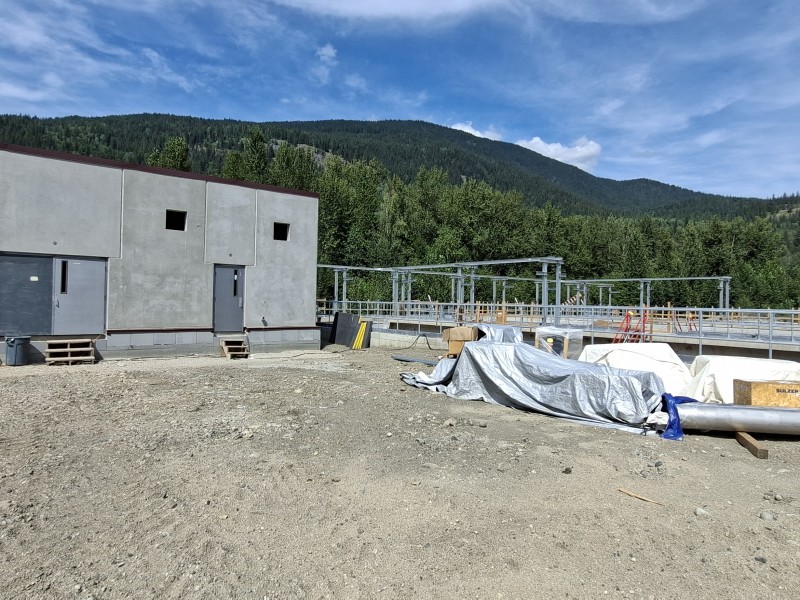
Wastewater treatment plant upgrades set to future-proof facility for 2 decades
Plans to include Big Eddy residents and businesses into the updated facility still in the early stages, city director of engineering says.
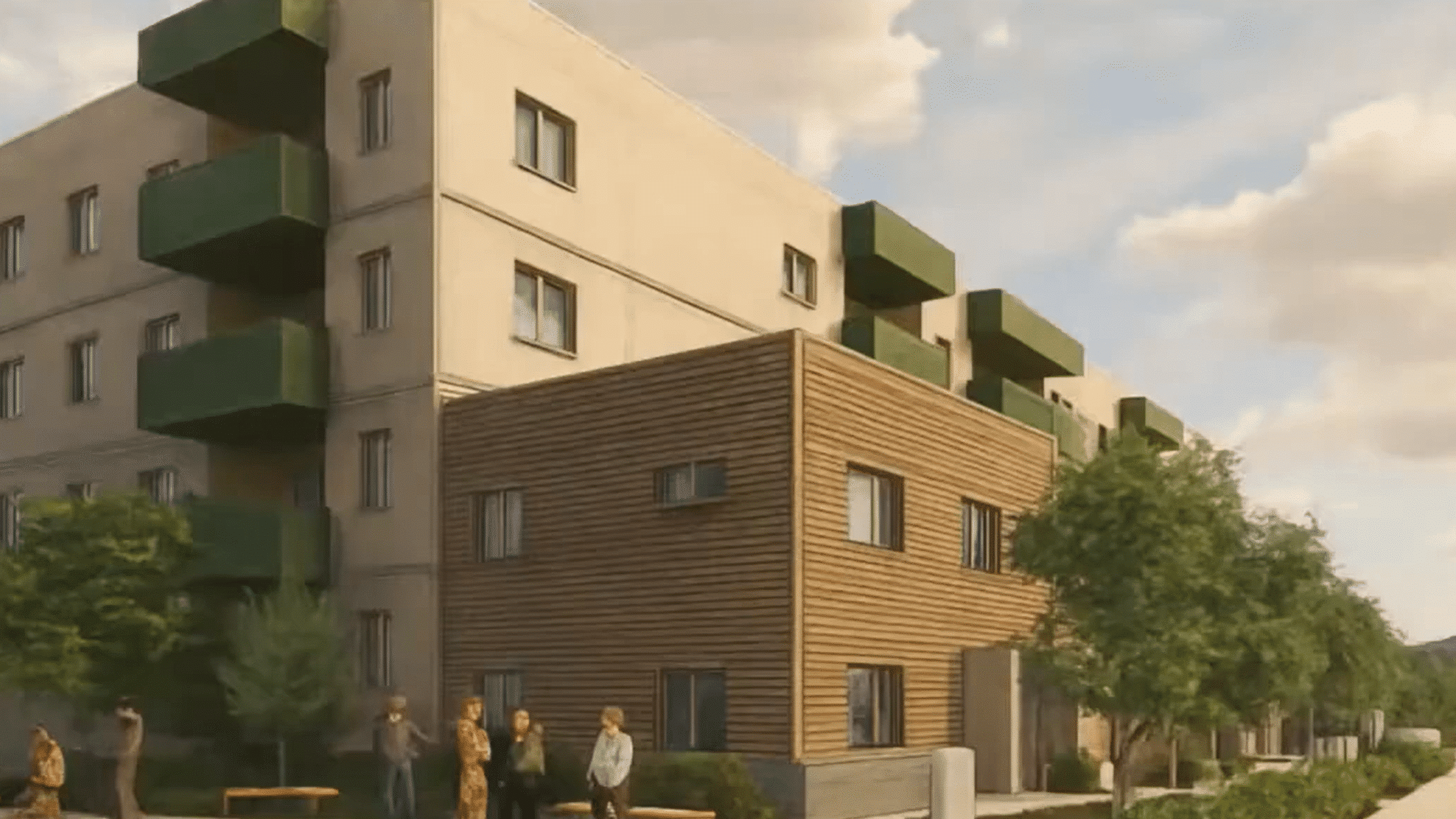
Revelstoke granted $200,000 to rework development guidelines
Clarifying building requirements is key in speeding up development approvals, director of development services says.

More childcare spaces needed as families face estimated $35,000 income impact annually
Revelstoke Child Care Society still has over 160 families waitlisted as plans to expand into Okanagan College building take shape.