
Avalanche Canada celebrates 20 years of alpine safety
Between tech advancements, in-house software development and robust education programs, their work has seen local impacts.
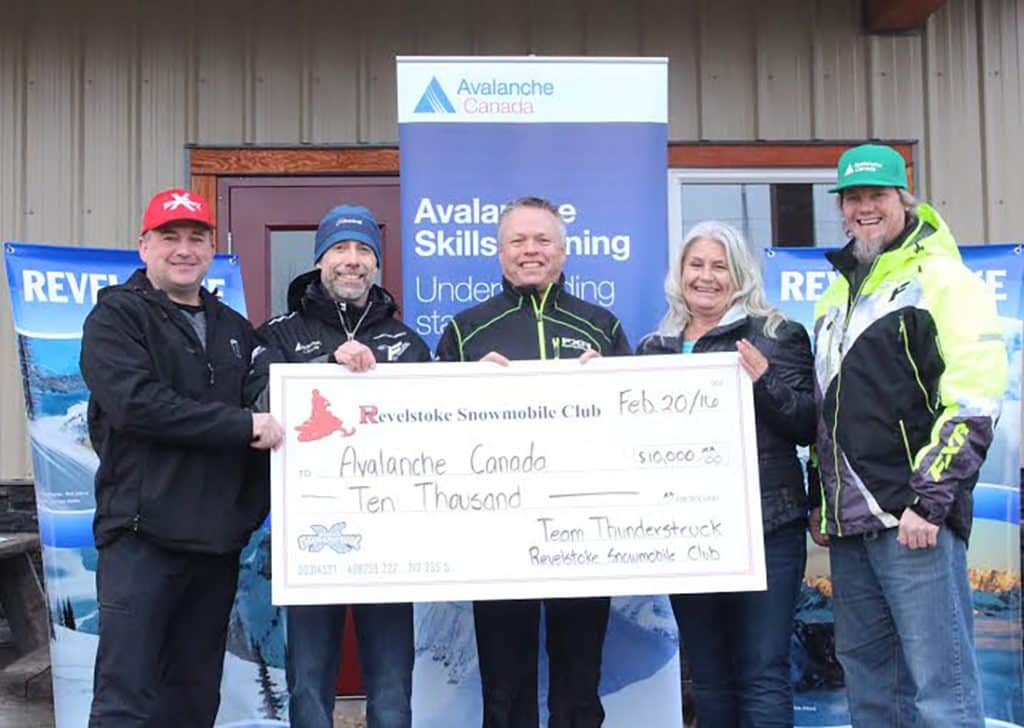
Avalanche Canada, the non-profit organization dedicated to avalanche safety across Canada is celebrating 20 years of forecast reports, avalanche safety training and technology development.
“What we try to do is prevent any need for response,” Gilles Valade, Avalanche Canada executive director told Revelstoke Mountaineer when asked about the core goal of the organization.
The ability to equip anyone interacting with Canada’s mountains and backcountry with the tools to safely explore and recreate helps build a population that requires fewer rescue resources.
“We’ve done quite a bit with what we have.”
This effort is seeing results, with avalanche-related deaths staying roughly the same at 11 per year, even while backcountry and alpine recreation has exploded over the last decade.
“We calculate that average of fatalities based on a ten-year moving average,” Valade said. “That average had been falling fairly steadily over the past 20 years up until the last two seasons, which is remarkable considering the exponential increase in winter backcountry use since that same time.”
Those stats are a stark improvement from before Avalanche Canada’s creation and the 2002-2003 winter season that finally sparked action in creating an avalanche safety resource, when 29 people were killed in avalanches that year alone, including 7 Calgary teenagers who were skiing in Rogers Pass. At the time, Canada was the only alpine country without a public safety organization. Now Avalanche Canada has resources and strategies that other international organizations are lining up for.
“Our software development team right now is the envy of the world,” Valade explained, highlighting how Avalanche Canada has constantly used newer technologies to better record snow levels, predict avalanche areas and connect with new and experienced alpine explorers.
Through the report map, which provides snow risk warnings and avalanche incident information submitted by backcountry users and Avalanche Canada staff, the range of webinars that teach newcomers how to read the terrain and the Avy Savvy program, the organization has been adapting to provide new and experienced Canadians and visitors with as much information as possible.
“We have everything developed in-house,” Valade said. “I think the future use of technology is going to be quite impressive.”
While tech may be aiding in information sharing and forecast mapping, field teams are still vitally important to the work in data sparse areas as well as for connecting with alpine active communities.
“We’re out there connecting with snowmobilers, skiers, everyone who is out there, hearing from them the conditions they’re seeing and making sure they have the tools to be safe out there.”
Along with their software development and accessible education resources, Avalanche Canada developed robust youth and in-classroom education opportunities in its 20 years.
“We’re training over 10,000 recreational students per year with our Avalanche Canada Training curriculum. We reach more than 10,000 youth in classrooms to help them start backcountry education early. That’s an increase over the years.”
While the non-profit is entirely independently run, funding is partially provided through various government levels.
“Without government funding, we probably wouldn’t exist. But we’re also doing our own fundraising and revenue generating,” Valade said.
It’s been a long road since Avalanche Canada started in 2004, pulling together small provincial and federal funding streams and grants. Now the organization has more stable lines of funding, but it’s all dependent on future governments continuing to support the work.
Avalanche Canada has also worked tirelessly through the years to develop media and communication relationships, oftentimes ending up as the face for avalanche incidents throughout the winter.
“I think one of our main gains over the years is we’re now seen as a public safety essential service for Canadians and visitors.”

What did you think of this story?
Your feedback after we publish a story helps ensure we're always improving our reporting to better serve you
Author

Related Articles

Birch and Lace salon offers apprenticeship-style academy for future hair stylists
The skills program aims to keep residents in town and learning in-house as salon founder focuses on accessible education opportunities.
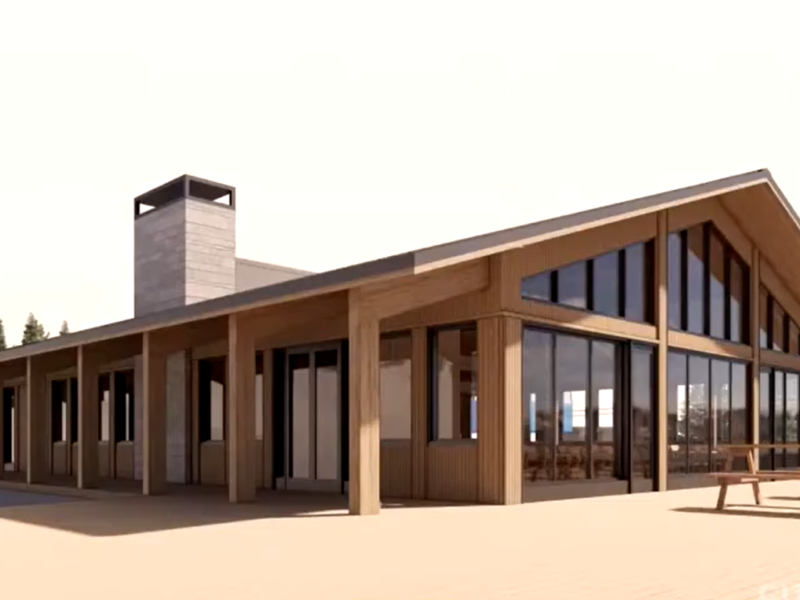
Revelstoke Mountain Resort provides updates on infrastructure upgrades and partnerships
Resort president Jason Kelder shared planned changes coming to the resort, which include a new warming hut.
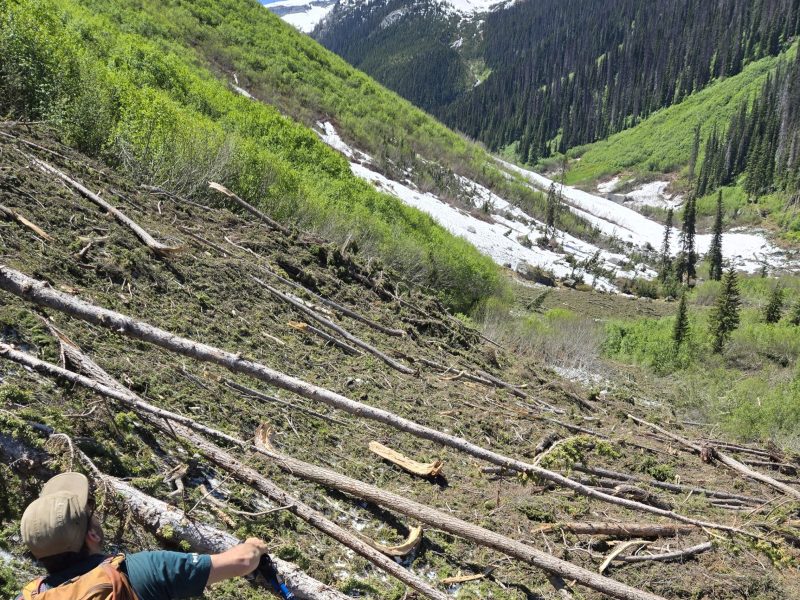
Glacier National Park trails remain closed following heavy avalanche season
Balu Pass trail, along with two others are closed indefinitely as Parks Canada staff evaluate how much of the popular trails will need to be rebuilt.