
Upcoming backcountry skills course offers Indigenous perspectives
‘Fostering Indigenous representation in outdoor recreation and guiding is a key aspiration,’ program director Dylan Murray says.
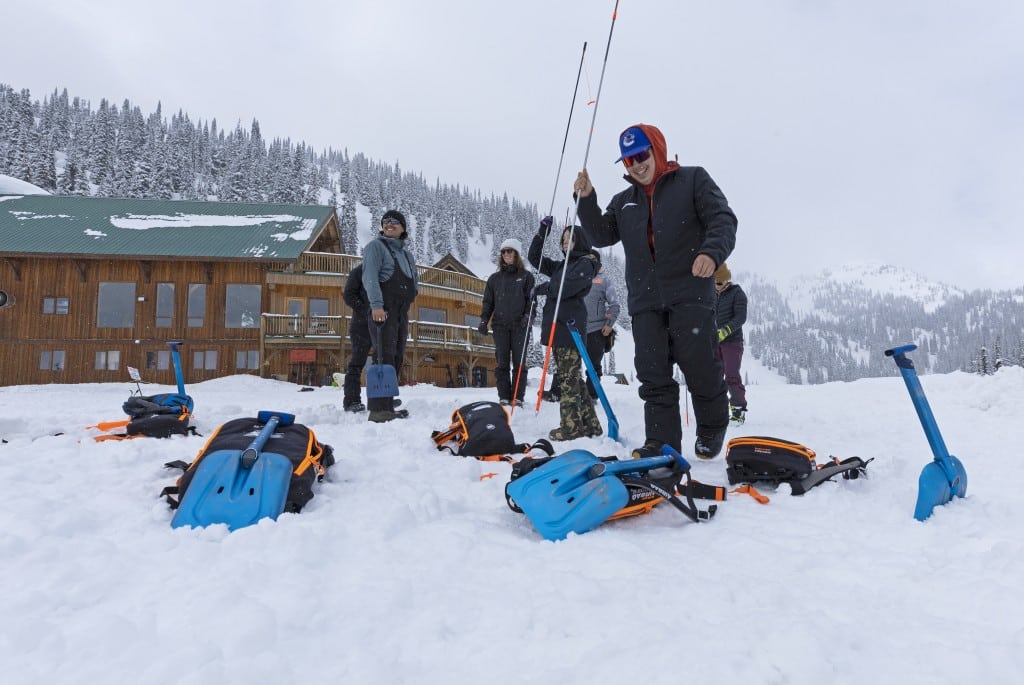
The local Mustang Powder Lodge is set to host the 2023/2024 Indigenous Backcountry Skills Training (IBST), a free specialized program designed for Indigenous ski and split-board touring enthusiasts aged 16 and up.
Based on the core teachings of Avalanche Skills Training (AST) provided by Avalanche Canada, the IBST program introduces participants to the intricacies of backcountry skiing and snowboarding in a safe and supportive learning environment.
“While other Indigenous-led initiatives exist in the province, we offer a unique blend of Indigenous perspectives along with avalanche training,” IBST program director Dylan Murray told Revelstoke Mountaineer. The instructors are mainly women, and there is a significant representation of Indigenous guides and associations involved.

Out of 25 candidates, 14 have been selected to attend this 2023/2024 session held at the Mustang Powder Lodge from April 10 to 13. Participants have come from all over British Columbia and Alberta. Thanks to the support of local businesses and organizations, the four day course is free. Participants only need to cover travel expenses.
“Recognizing the exorbitant costs associated with the outdoor industry, I am driven to provide Indigenous youth with the chance to safely experience the outdoors without financial barriers,” Murray shared.
The initiative, launched last winter by Nick Holmes-Smith, owner of Mustang Powder, has been taken to the next level this season. With the desire to keep the program onboard Murray, who is also guiding practicum and a Revelstoke Mountain Resort volunteer patroller, has been in charge since October 2023. His first priority was to focus on “restructuring the program comprehensively and establishing a more organized entity that can operate autonomously.”
Under his leadership, IBST has already succeeded in doubling the number of participants this winter.
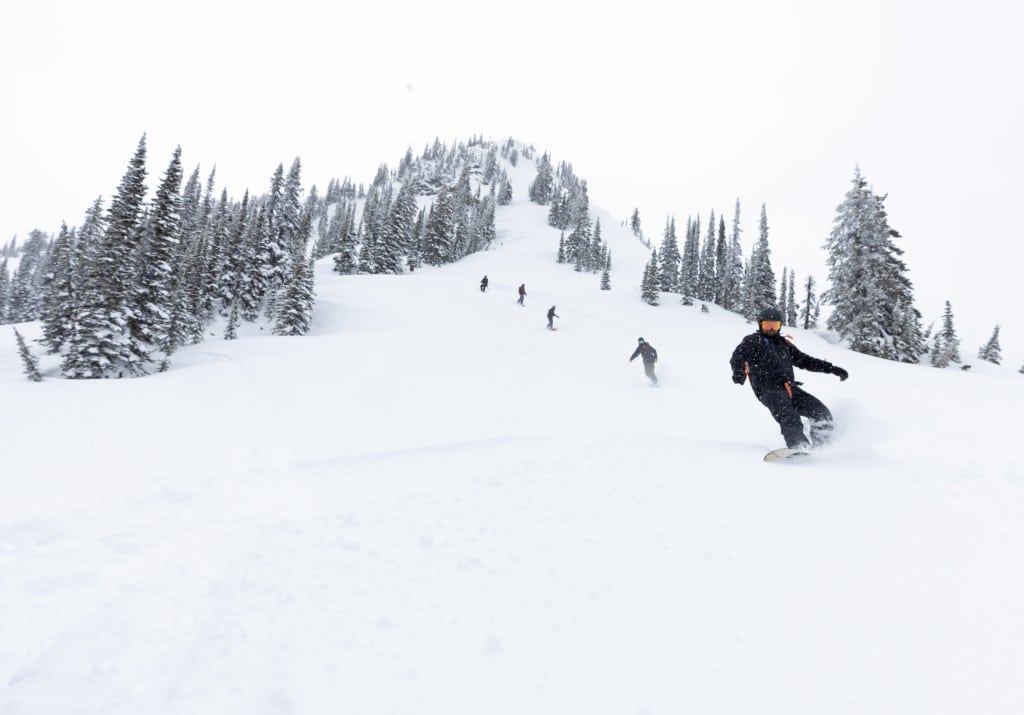
A journey through Indigenous identity
Originally from the Aseniwuche Winewak Nation, based in Grande Cache, Murray was raised by his adoptive family in Red Deer, Alta. As a child, he longed to connect with his Indigenous identity. He first immersed himself in Indigenous culture as the lead dancer of a local Indigenous dance troupe and then received his Indigenous name. Later, he participated in Summer Ultimate Métis In Training, an outdoor program in Hinton, Alta., tailored for Métis youth, which he explained “played a pivotal role in shaping who I am today.”
“Fostering Indigenous representation in outdoor recreation and guiding is a key aspiration,” he said. “The IBST program holds profound importance for me; it offers opportunities that were readily accessible in my privileged upbringing.”
After graduating from the Adventure Studies program at Thompson Rivers University in 2020, the 24-year-old is determined to become a ski guide while dedicating time to managing the IBST program. Although this path resonates with his heart, it also comes with responsibilities and sacrifices.
“Taking care of the program definitely put a significant strain on my guiding career, but I am proud to have stepped out of my comfort zone and what I have achieved so far.”
What to expect in the following years

With outstanding local support and increasing popularity, IBST has a promising future.
“Indigenous-led tourism stands as one of the most rapidly expanding segments within the industry, drawing widespread support from the outdoor community for initiatives like the IBST course aimed at Indigenous youth,” he said.
This summer, the program is working to register as a not-for-profit organization to secure funding support, which will allow more Indigenous youth to experience the backcountry and ultimately get them involved in the predominantly white, male-centred ski guiding industry. Although challenging, Murray is optimistic, working tirelessly to ensure the organization’s sustainability and long term impact while strengthening community engagement and advocacy.
With exceptional support from the Revelstoke community and a strong push towards inclusivity, IBST hopes to expand its offerings by providing more courses in the future. The organization aims to introduce two or three courses, such as AST one and two in various locations next season, allowing it to reach out to more communities.
More information can be found through the website.
What did you think of this story?
Your feedback after we publish a story helps ensure we're always improving our reporting to better serve you
Author

Related Articles
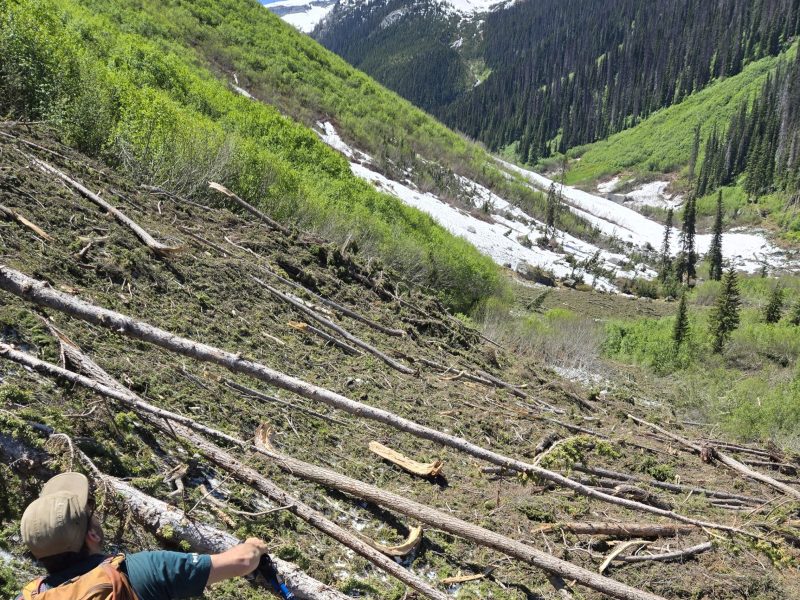
Glacier National Park trails remain closed following heavy avalanche season
Balu Pass trail, along with two others are closed indefinitely as Parks Canada staff evaluate how much of the popular trails will need to be rebuilt.
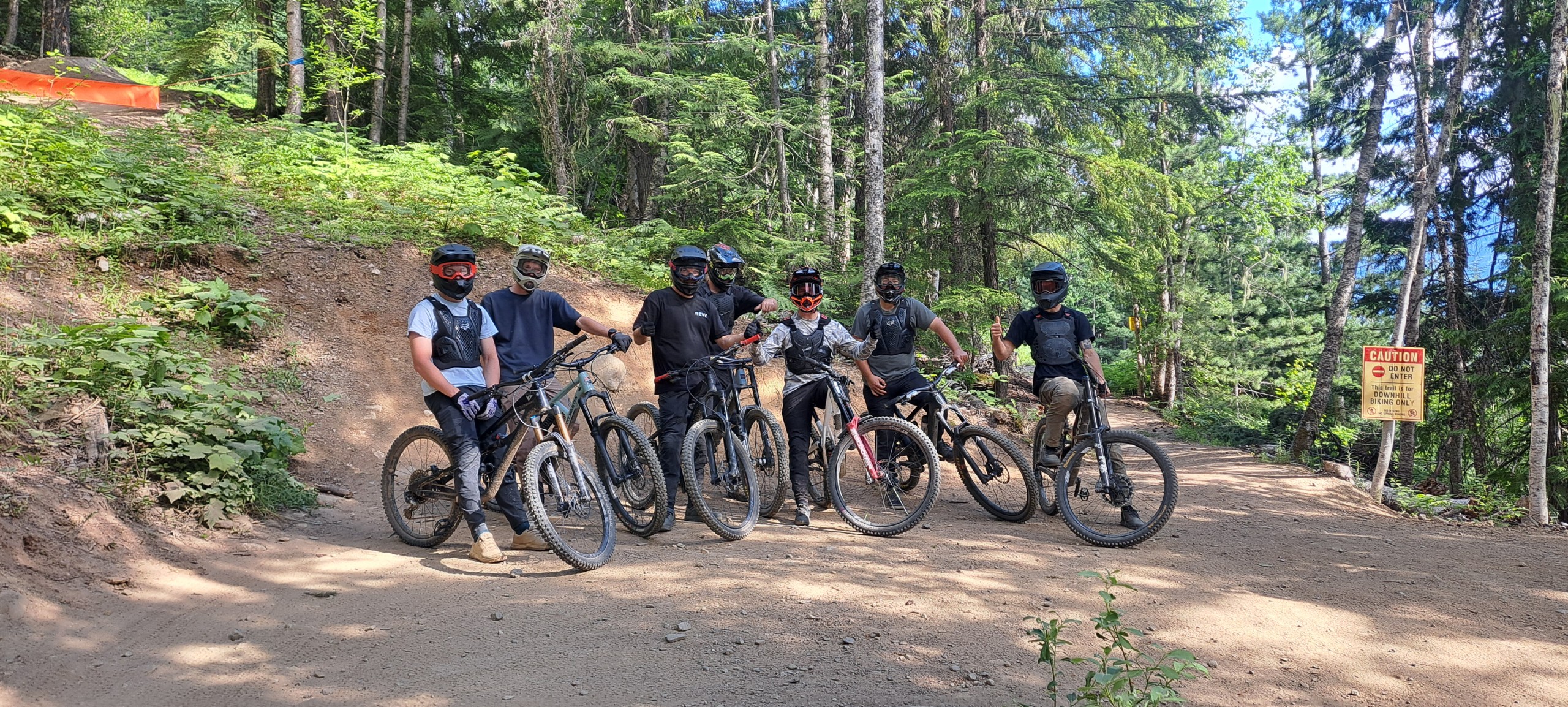
The upper mountain at Revelstoke Mountain Resort is now open to mountain biking and hiking
Stoke Climb, Mackenzie Ridge and the upper part of the Fifty Six Twenty remain closed due to snow.
Returning Canada Strong Pass means free access to Mount Revelstoke National Park all summer
From mountain biking trails to Meadows in the Sky hikes, Mount Revelstoke National Park is a source for various free outdoor activities this summer with Canada Strong Pass.