Revelstoke Osteopathy series: Exploring the origins of this holistic healing practice
In the first of an eight-part series by William Jarrige and Anouk Sanchez of Revelstoke Osteopathy Clinic, we explore the history of osteopathy, and its fundamental principles.

This article is presented by William Jarrige and Anouk Sanchez, manual practitioners, and thesis candidates for the osteopathy practitioner program at the Canadian School of Osteopathy Manual Practice in Vancouver. We are the owners of Revelstoke Osteopathy, the new clinic located at 111 Second Street East in Revelstoke.
It’s been a year since we arrived in this beautiful city and you may have heard of us — student osteopathic practitioners. But what does manual osteopathic practice exactly? To answer this question, we will share with you the story of osteopathy.
Some history of osteopathy
Everything begins in 1865 with Andrew Taylor Still. During this year, this American doctor lost three of his children after a meningitis outbreak. He then began personal research that led him to develop a manual approach that operated on the idea that the body has the ability to self-heal when receiving the right amount of blood, nutrients and waste removal.
[quote_right]”When we take up the principles, we get down to Nature. It is ever willing, self-caring, self-feeding and self-protecting.” —Autobiography of A.T. Still [/quote_right]
A few years again later, in 1899, a student of A.T. Still noticed the similarity between the gills of a fish and the temporal bones of the human skull. By reproducing the traumatic events to the skull, he learned the mechanics of the skull bones. This is the beginning of cranial osteopathy from which all the techniques of cranio-sacral therapy are born.
Much later, visceral osteopathy made its entry in the 1960s. During that decade, there was a great upheaval in the medical community exploring whether or not organs can be manually manipulated. By using new technologies like ultrasound, X-ray technology and research, French osteopath Jean-Pierre Barral proved the theory true. This famous osteopath now teaches throughout the world, and his techniques are presented in massage therapy and physiotherapy courses.
Now that you know more about the discovery and development of osteopathy, you might still ask: ‘But what is osteopathy?’ The best way to answer this question is to describe a typical session.
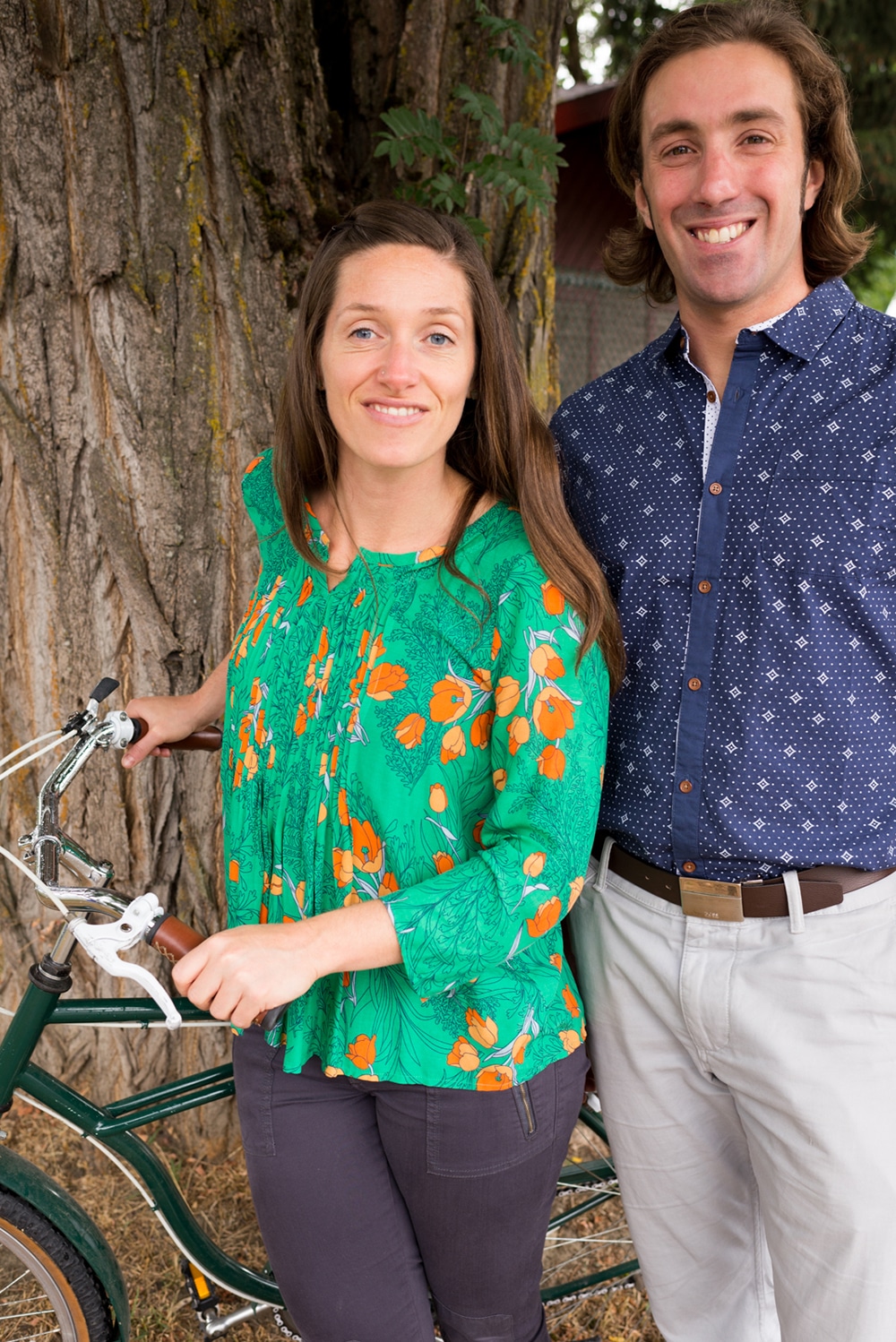
Anouk Sanchez and William Jarrige. Photo: Agathe Bernard
A typical consultation
At the first meeting with the patient, the osteopathic practitioner must ensure that the patient’s complaint falls within his or her skills. This is why the therapist asks many questions. If it looks like an organic disorder is the cause of the problem, then we’ll refer the patient to their family doctor.
The investigation continues in order to understand the symptoms. The goal is to identify the origin of the problem. Next, observation of posture, mobility tests, and tissue rebound tests will help the osteopath practitioner in their investigation. Sometimes, the accumulation of trauma and injuries requires the therapist to treat the patient several times before finding the source of the problem. The practitioner will then ‘peel off’ traumatic layers so to have access to the key element — kind of like peeling an onion.
The techniques used for the treatment varies depending on the patient and what we call ‘osteopathic lesions.’
Muscle energy techniques are used when the origin of the restriction of mobility is muscular. By releasing the tension in the muscle using small contractions, the practitioner will restore the range of motion of the area being treated. These techniques can be performed on any type of patient able to use the affected muscles.
Myo-fascial techniques are milder but can be very powerful. They are the ones we use to treat babies. They are also widely used to manipulate organs. Yes, organs. As the organs all attach to fascias in the abdomen, they in turn attach to the body’s bone structure. A congested, heavy or slightly displaced organ will affect the structure and muscles of the body. The purpose of these techniques is to restore the elasticity of the fascia so that the organs, muscles or joints can move freely. These techniques require very fine palpations on the part of the therapist, and explain why five years of training is needed to become a manual osteopathic practitioner.
Osteopathic principles
Patients often approach osteopathic practitioners with common questions. Can osteopathy help me for my back pain? My constipation problems? My knee pain? My headaches? My sleep problems?
For functional disorders, osteopathy can be very effective. But for organic disorders such as cancer, infection, tissue degeneration, osteopathy can only help the patient’s body to adapt to the disease but cannot cure the disease.
To better understand the scope of osteopathy, we must understand the four key principles of the founder of osteopathy.
The Four Key Principles
The body is a functional unit. Osteopathy thinks of the body as a whole. Like clockwork and its cogwheels, if an organ or a joint is affected, the whole body is affected and must adapt. That is why an ankle fracture can cause a sore shoulder.
Structure governs function. Today we talk more about inter-relationship. If the structure of an organ or tissue loses its mobility, its function is reduced. So if a nerve is compressed and causes pain, the osteopathic practitioner will act on what causes the compression.
The rule of the artery is supreme. Over time this principle evolved to encompass the nerves and veins. If an area in the body is not innervated or irrigated properly, its function is impaired. For example a patient presents with gastric reflux caused by irritation of the vagus nerve, innervating the stomach. The therapist will manipulate the patient to relieve irritation of the vagus nerve before working on any of the scar tissues inflicted by the acid reflux in the stomach.
The body has a self-healing capacity. The body has all the remedies for its recovery provided that it has the right ingredients. The patient’s lifestyle is essential to stimulate these mechanisms. A.T Still, who was very religious, thought that if God created man in his image, then man is perfect and requires no medication. Take into account the political context of the time.
Today a dialogue has been established between the medical institutions, the osteopathic practitioner and other alternative therapies. By working together, we can really optimize all of the therapies in order to give the most relief to the patient.
For more information, please feel free to email us at [email protected], the last article in this series will be devoted to your questions!
What did you think of this story?
Your feedback after we publish a story helps ensure we're always improving our reporting to better serve you
Related Articles
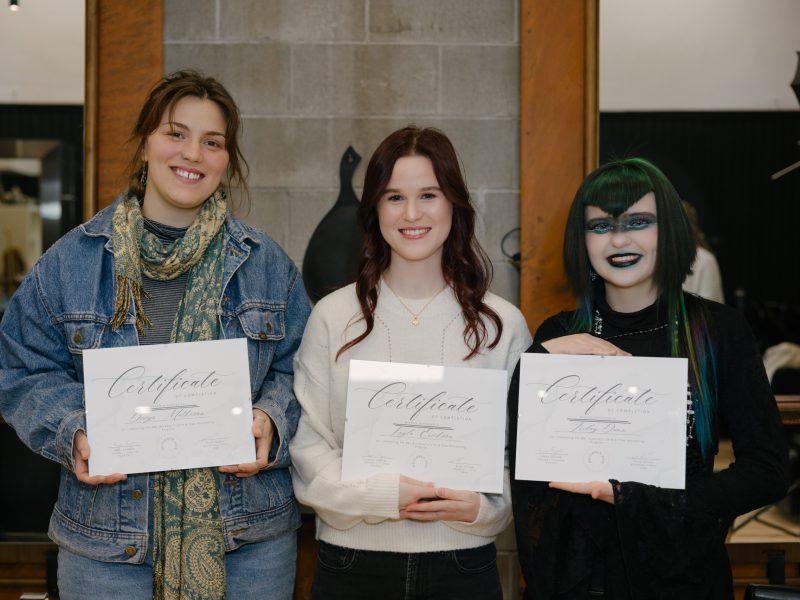
Birch and Lace salon offers apprenticeship-style academy for future hair stylists
The skills program aims to keep residents in town and learning in-house as salon founder focuses on accessible education opportunities.
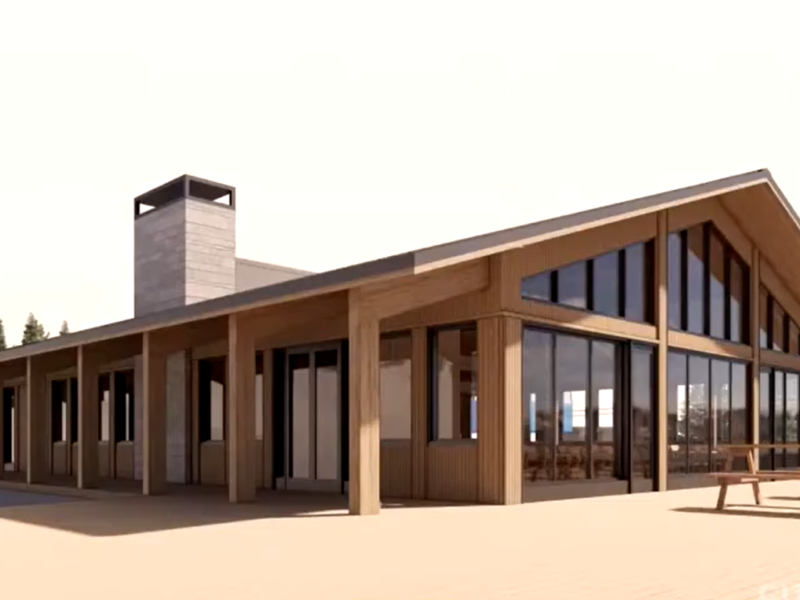
Revelstoke Mountain Resort provides updates on infrastructure upgrades and partnerships
Resort president Jason Kelder shared planned changes coming to the resort, which include a new warming hut.
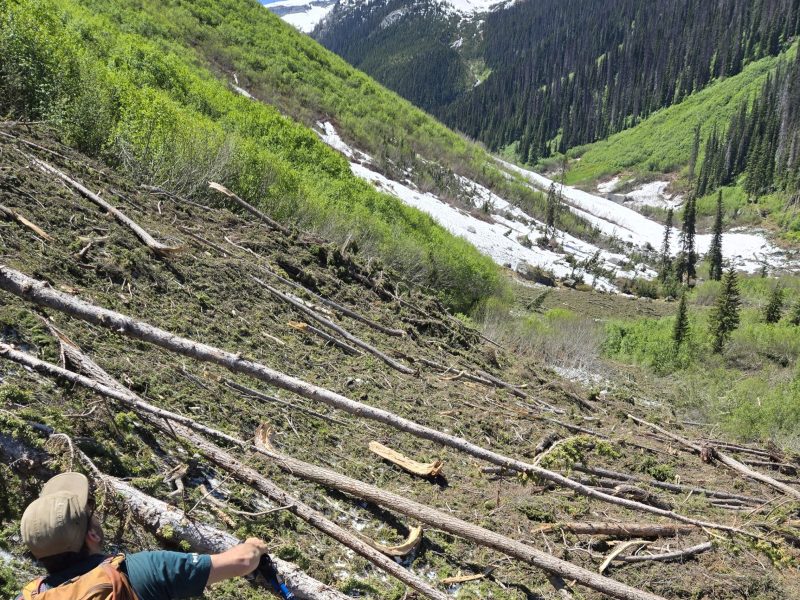
Glacier National Park trails remain closed following heavy avalanche season
Balu Pass trail, along with two others are closed indefinitely as Parks Canada staff evaluate how much of the popular trails will need to be rebuilt.