
Revelstoke Osteopathy Clinic: Treating children to improve development, health and performance
Much in the same way orthodontic treatments take advantage of still-pliable bones in a young person’s body, osteopathy treats young patients at an early age to correct issues that can arise in birth, from injuries, and from diseases. Learn more.
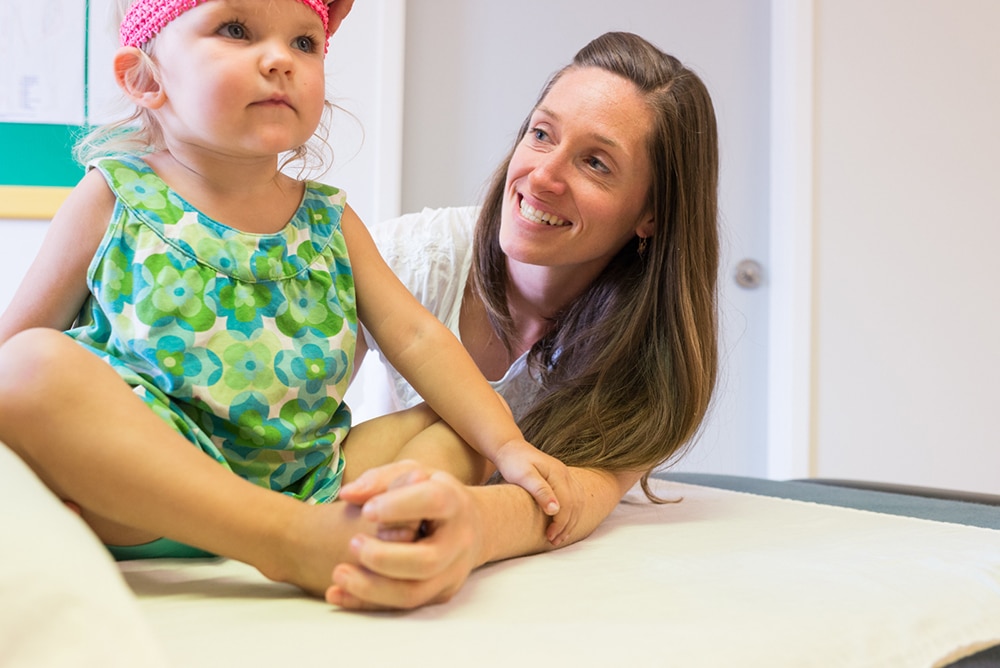
This article is presented by William Jarrige and Anouk Sanchez, manual practitioners, and thesis candidates for the osteopathy practitioner program at the Canadian School of Osteopathy–Manual Practice–Vancouver. We are the owners of Revelstoke Osteopathy, the new clinic located at 111 Second Street East in Revelstoke. This is the fourth installment in a 10-part series exploring osteopathy.
Did you know that the human skeleton is made primarily of cartilage at birth? And that certain bones won’t fully ossify until the age of 25! This plasticity of the skeletal system allows a child’s body to perfectly adapt to falls and little accidents while cycling, skiing or any other activity that makes their lives exciting.
This skeletal ‘flexibility’ allows the orthodontist to correct small development defects of the palate and teeth much easier than in adults, for example. We must not neglect these treatments because an incorrect bite can cause problems with posture because of the fascial and muscular connections between the mandible and the neck, cranium, and thorax. The works of the osteopathic practitioner complements and optimizes the orthodontic work by helping the skull accommodate the changes imposed by orthodontic appliances. Thus headaches, migraines, pain in the neck or the tension in the jaw often experienced by adults who wore braces as kids can be prevented.
[quote_right]”I find in man a miniature universe.” —Autobiography of A. T. Still, osteopathy founder[/quote_right]
It is quite common for more adventurous kids to break a bone in a fall or accident. After a fracture, the tissue plasticity is compromised. To heal a fracture, the bone must heal by thickening. It is true that the bone becomes stronger but it also looses some of its ability to act as a shock absorber and to transmit the force that is going through, which are two important roles of the bones. Similarly for surgery, the tissues heal and create a more rigid zone in the body. Make a small bundle with the right hand corner of your shirt and look how it creates small folds pulling all the way to your left shoulder. The same thing can happen in your fascias with bigger scars. This lack of flexibility in the tissue may explain why a child is always hurting the same side or why one of his legs is longer than the other. The same child while learning and training — in skiing, fore example — might have difficulty achieving the same amount of performance when making a turn to one side as compared to the other. Another sign is the child shows a lack of proprioception by falling more often on one side. Working on the fascia, as well as doing intraosseous techniques allows the osteopathic practitioner to restore damaged tissue plasticity.
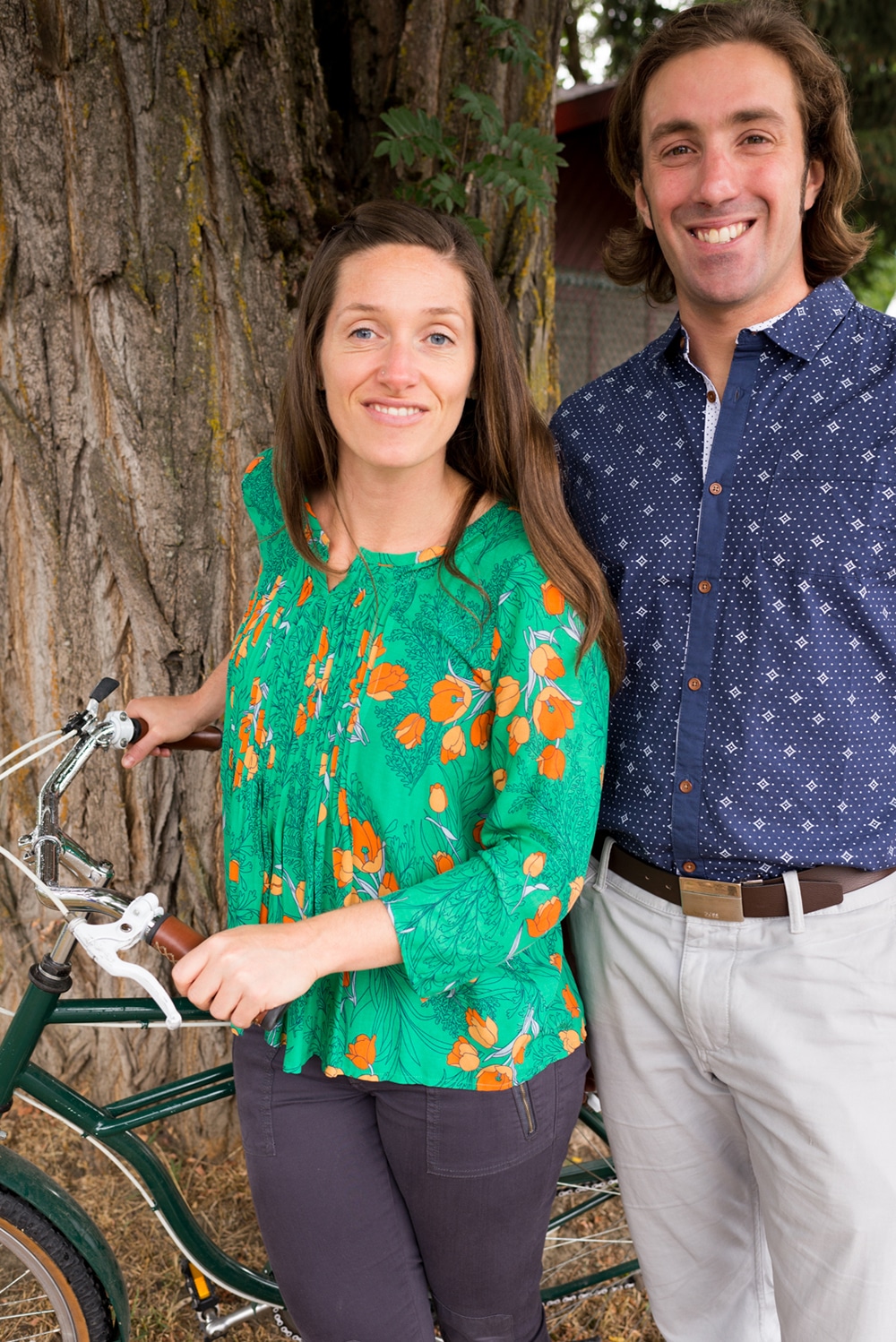
Anouk Sanchez and William Jarrige of the Revelstoke Osteopathy Clinic. Photo: Agathe Bernard
But the development of the child is not only summarized by the musculoskeletal system. Their immune system is also tested and if it is not working properly, the child may suffer from chronic infection. The osteopath practitioner can improve aeration of the cranial sinuses in the case of chronic ENT infections. Conditions such as asthma and eczema are common amongst children. The skin and the lining of the lungs share a characteristic: they excrete toxins and unwanted substances from the body. In these cases, the body is showing that there is excess of toxins that the body is unable to deal with through more effective pathways such as through the liver or the small intestines. The osteopathic practitioner addresses such organs and pathways when dealing with asthma and eczema in order to restore elimination in the whole system to boost the tissue at the skin and lung levels. In chronic bronchitis or asthma, the therapist will work on the nervous system by gently manipulating the vertebrae and ribs and by acting on the cranial nerves using the techniques of cranial osteopathy.
The hormones play an important role in the transformation happening during adolescence. Sometimes problems are related to this sudden growth. The Osgood-Shlätter disease causes pain in the knee and shin because of inflammation in the patellar tendon. In is very common in teenagers who play sport such as volleyball, basketball ball, or any activities than requires jumping repetitively. By combining osteopathy with physiotherapy, it is possible to significantly reduce the healing time for this growth-related disease.
Among young females, the first periods may be accompanied by pain, nausea and migraines. Muscular, myofascial, visceral, and cranial techniques aim to balance the vascular and nervous system in the gynecological area to act on the metabolism and the hormonal system of the patient and reduce these symptoms.
Regular osteopathic follow-ups from birth to adulthood prevent many functional disorders in adulthood. That is why a visit once a year to the osteopathic practitioner can help a child grow better. Remember that the brain or cognitive development as well as his emotional and social development is closely linked to his body’s health, performance and self-image and that removing major physiological challenges can really change for the better their childhood experience.
We will see in the next article how osteopathy helps the athlete to recover better from accidents and even lowers the chance of injuries.
To view earlier articles from this series, see this link.
What did you think of this story?
Your feedback after we publish a story helps ensure we're always improving our reporting to better serve you
Related Articles

Birch and Lace salon offers apprenticeship-style academy for future hair stylists
The skills program aims to keep residents in town and learning in-house as salon founder focuses on accessible education opportunities.
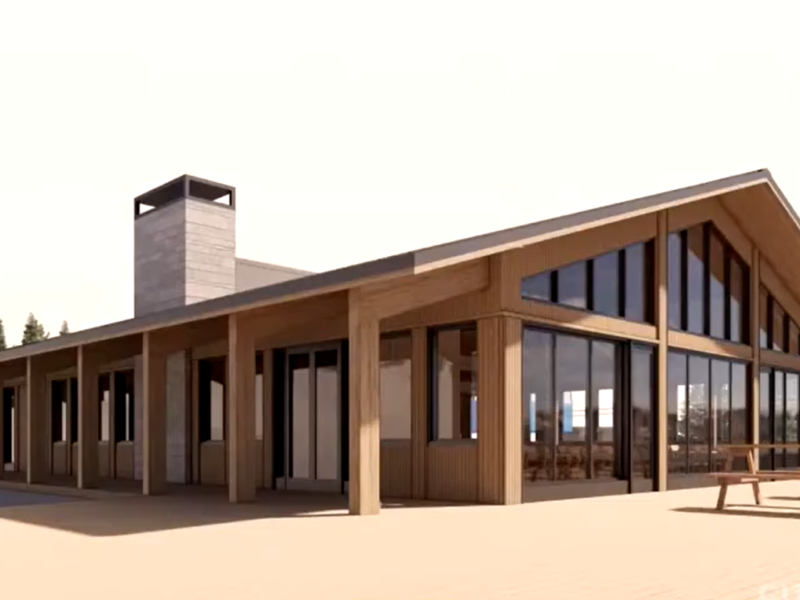
Revelstoke Mountain Resort provides updates on infrastructure upgrades and partnerships
Resort president Jason Kelder shared planned changes coming to the resort, which include a new warming hut.
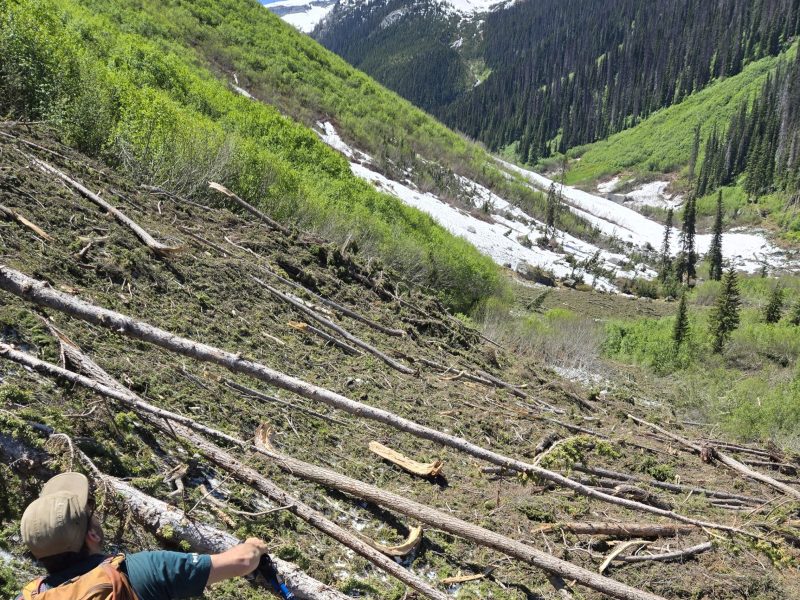
Glacier National Park trails remain closed following heavy avalanche season
Balu Pass trail, along with two others are closed indefinitely as Parks Canada staff evaluate how much of the popular trails will need to be rebuilt.