
Revelstoke has highest COVID-19 rate in B.C., province asks residents to limit testing
Revelstoke had the highest COVID-19 case rate in B.C. for the weekly period from Dec. 16-22, 2021 and the highest weekly new case count for the Revelstoke LHA since the pandemic started. During the previous corresponding weekly period, it recorded zero cases.
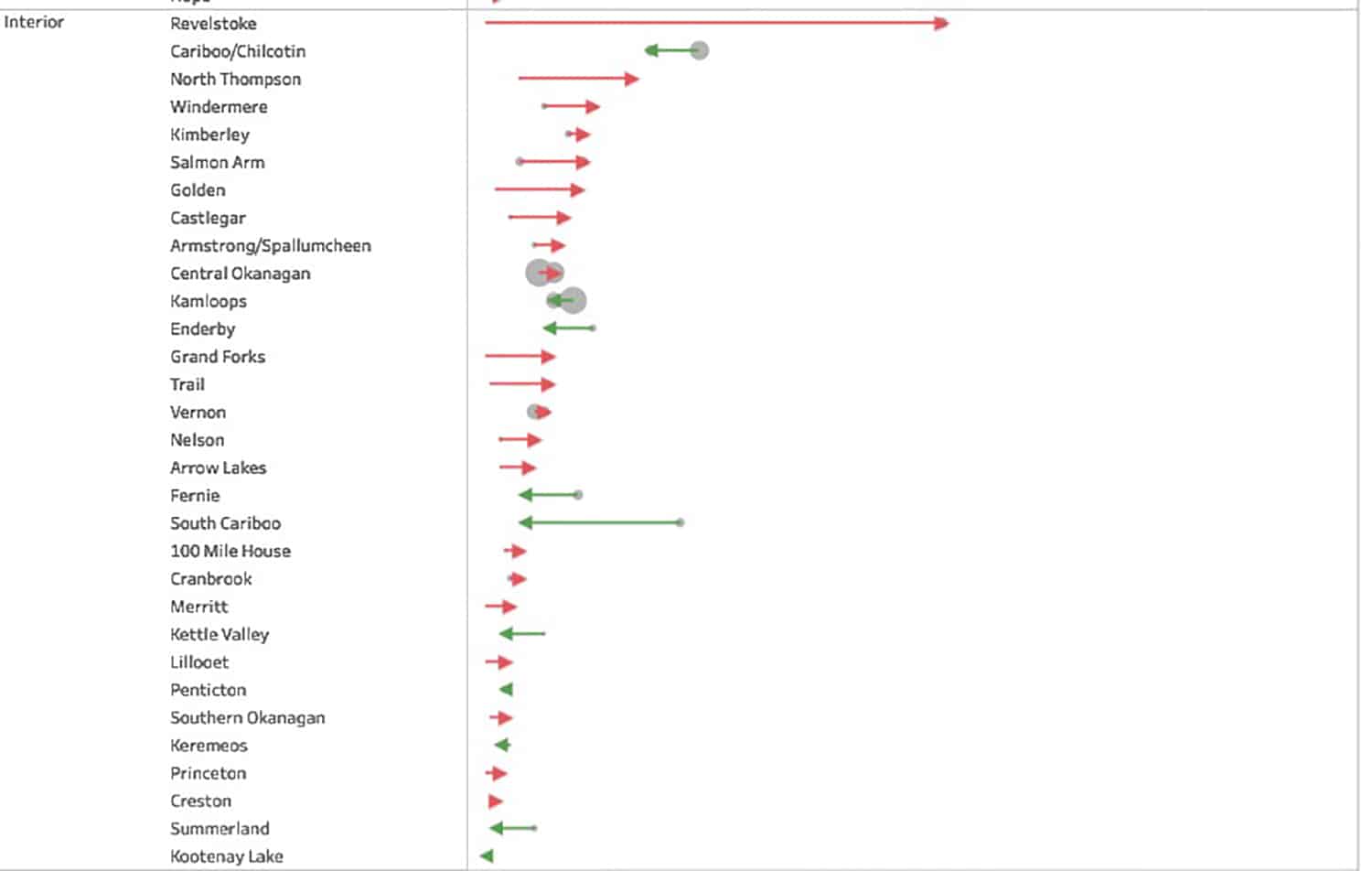
Revelstoke has the highest rate of COVID-19 in B.C., according to data released by the B.C. Centre for Disease Control on Dec. 24, 2021.
The new data covers the weekly period from Dec. 16-22, 2021.
For the week, the Revelstoke Local Health Area (LHA) had a daily case rate of 94 per 100,000. It is the highest rate among all LHAs in B.C. for the weekly period.
The case rate means that about 62 people tested positive for COVID-19 in the Revelstoke LHA between Dec. 16-22.
It is the highest weekly total for Revelstoke since the pandemic began, surpassing the previous weekly total of 37, which was set a year ago during the week covering Dec. 27, 2020–Jan. 2, 2021.
High test positivity
Revelstoke had the second-highest test positivity rate in B.C., at 28%.
The rate is considered very high and is indicative of inadequate level of testing to detect the actual level of infection in the community.
Rapid growth from zero
During the corresponding previous weekly period, Dec. 9-15, Revelstoke recorded no COVID-19 cases, according to B.C. Centre for Disease Control data.
Free, public COVID-19 testing appointments at the Revelstoke hospital were amply available during the week of Dec. 9-15.
However, in the following days, the number of people seeking COVID-19 tests increased. By about Saturday, Dec. 18, the testing centre appointments became fully booked. On Dec. 18, Interior Health was booking appointments for Dec. 21.
New appointments are made available at 9 p.m. each day and have been snapped up within minutes in recent days.
Interior Health has a acknowledged the spike in test demand and has said it is adding more appointments in Revelstoke, but specifics haven’t been available.
Rapid rise in highly vaccinated LHA
At 97%, the Revelstoke LHA has the highest level of COVID-19 first-dose vaccination out of any LHA in Interior Health, and only five other LHAs in B.C. have higher first-dose vaccination rates for people aged 12 and up. Ten other LHAs have higher second-dose rates. The difference between Revelstoke and the leaders averages just a couple percentage points higher.
Revelstoke’s level of third-doses delivered is above average for B.C., but is not as exceptional as its first and second dose rates. It was 25% as of Dec. 20.
Provincial update Dec. 24, 2021: Record set for fourth consecutive day
B.C. set a new record for COVID-19 cases for the fourth day in a row, with 2,441.
There are 10,415 active cases in B.C., a new record.
The province did 21,123 tests and says it has reached maximum capacity for testing.
Currently, 192 people are hospitalized with COVID-19 and 71 are in critical care.
As a result, B.C.’s public health advice on COVID-19 testing was changed on Dec. 24 in the face of the rapid rise of the Omicron wave in the province.
In a live announcement at 10 a.m. on Dec. 24, B.C. provincial health officer, Dr. Bonnie Henry, provided an update that gave new testing direction. She said people who have COVID-19 symptoms should assume they are positive and isolate appropriately.
“We’re in a different game, a different pandemic now,” Henry said.
The province is asking people to limit their use of public testing, saying people who do not have symptoms should not get tested. For example, they ask people not to use testing for travel purposes.
“Our case and contact tracing cannot keep up,” Henry said, adding it takes a few days to complete contact tracing.
She asked that people help preserve testing capacity for those most at risk and for health care workers.
Dr. Henry said people who are fully vaccinated should isolate for 7 days, self-monitor and report worsening issues. People who haven’t been fully vaccinated are asked to isolate for 10 days. The government provided its self-assessment and monitoring app.
Unlike other recent announcements, the significant change in advice wasn’t accompanied by a supporting text announcement, such as a media release or a post to the B.C. government news site.
B.C. testing numbers will no longer provide accurate picture
Because testing is being limited to those with symptoms, and because the system has reached its capacity to test, the daily numbers reported in B.C. will not provide an accurate picture of the COVID-19 situation in B.C. and will be an undercount of actual infection activity.
Analysis: Rapid rise of Omicron tests government response
In one media question on Dec. 24, Dr. Bonnie Henry was as asked about the B.C. COVID Modelling group’s prediction of a “tidal wave” of COVID-19 infections by the end of January followed by a hospitalization rate that will exceed B.C.’s health care system capacity.
The report warns that the health care system’s capacity will be overwhelmed in mid-January, even under scenarios where Omicron is much less severe. Simply, so many people will become sick so quickly that the small percentage who do require hospital treatment may find what they had expected is not available come January when hospitalizations, which lag infections by a couple weeks, rise dramatically.
In her response, Dr. Henry minimized the expert scientists’ predictions for January 2022.
Dr. Henry downplayed the B.C. COVID Modelling Group’s Dec. 22 model, saying it was one of many models the government looks at.
Henry said: “Models are dependent on the inputs that go into them, and there’s still much that we don’t yet know about Omicron in particular, about how it’s spreading, and about severity of illness, so by necessity, all models are wrong. Some of them are really useful, and this modelling group has been part of our team. We have others that we look at as well. And being able to look at all of the different models gives us a sense of what potentially could happen. But I think what we need to focus on is that we can do things to control this. It’s not a prediction of what is going to happen in the future. What it is is a set of parameters that could happen, and what we are seeing is the actions that we take can make a difference in what the outcome is going to be.”
She added: “We do know that the things that we can do right now can slow this down and can help prevent that impact on our health care system and that’s what we’re asking people to do right now,” Henry added.
Although the provincial health officer has said there is “much unknown,” about the Omicron variant, the message was clear: individuals must take action in the face of Omicron. While at the same time, the provincial health officer did not take steps to slow transmission that the B.C. government has used in the past. For example, the B.C. rules allowed the Vancouver Canucks to continue hosting fans at Rogers Arena, albeit at 50% capacity.
The Canucks and NHL have since cancelled the game.
Come what may in January 2022, the record will reflect that provincial health leadership was warned by a group of data-focused top B.C. scientists whose predictions proved generally accurate during the Delta wave. In response, the government has warned everyone to take personal actions, yet provincial health leadership has not taken some available interventions that would help slow the rapid spread of Omicron.
Certainly, the COVID Modelling Group’s warning that health care system’s capacity to cope would be exceeded has been proven true in one area of B.C.’s health care system: its COVID-19 testing and tracing systems have been quickly overwhelmed.
What did you think of this story?
Your feedback after we publish a story helps ensure we're always improving our reporting to better serve you
Related Articles
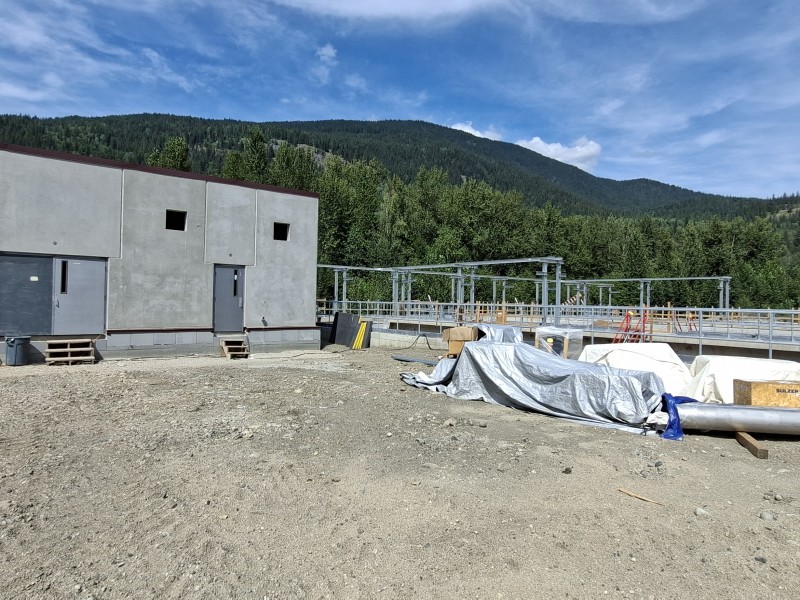
Wastewater treatment plant upgrades set to future-proof facility for 2 decades
Plans to include Big Eddy residents and businesses into the updated facility still in the early stages, city director of engineering says.
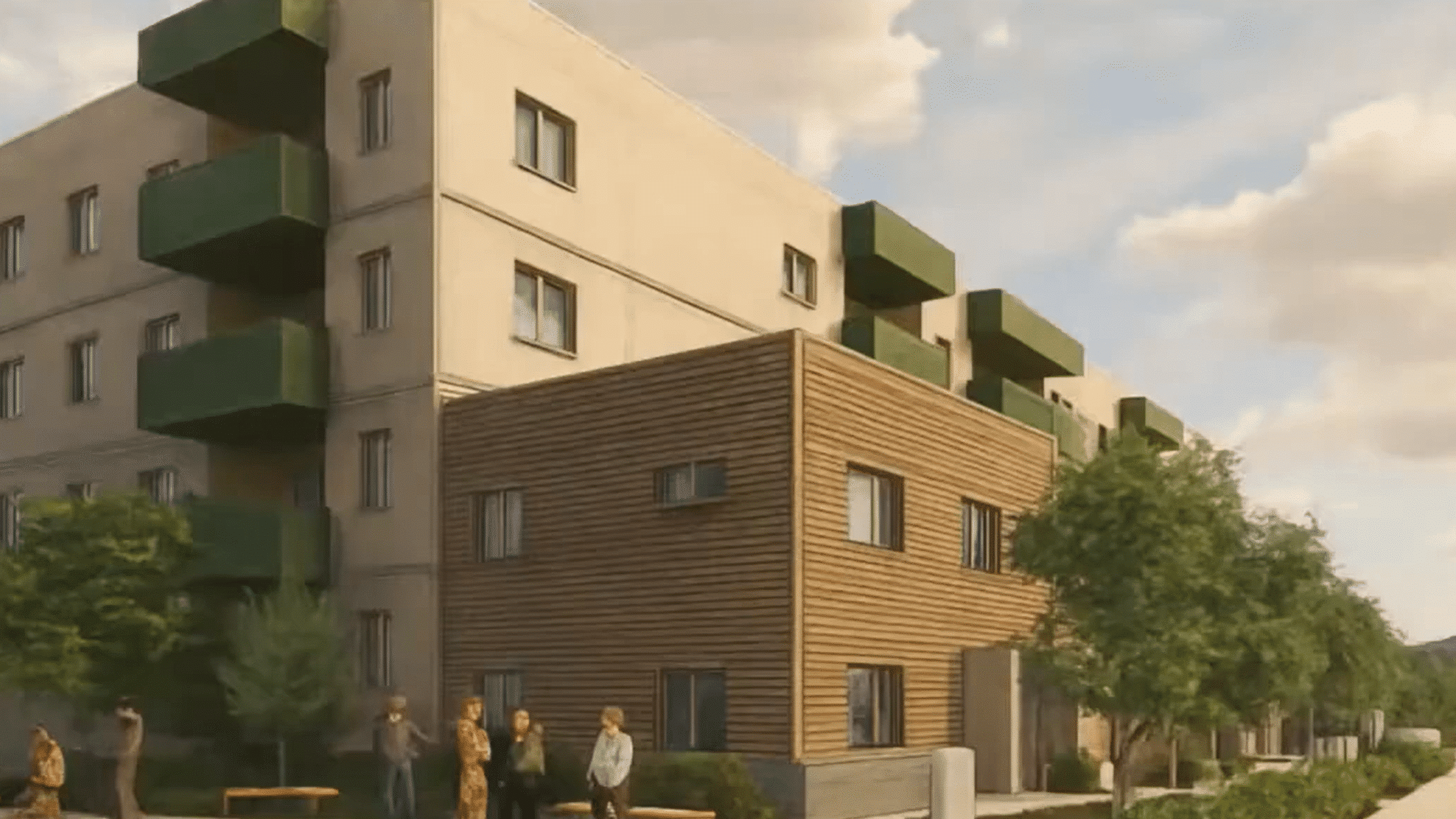
Revelstoke granted $200,000 to rework development guidelines
Clarifying building requirements is key in speeding up development approvals, director of development services says.
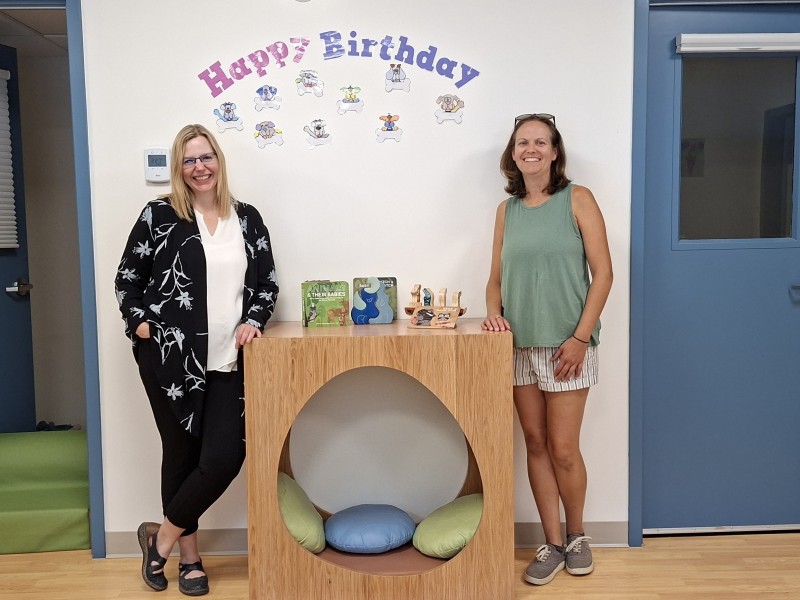
More childcare spaces needed as families face estimated $35,000 income impact annually
Revelstoke Child Care Society still has over 160 families waitlisted as plans to expand into Okanagan College building take shape.