
Revelstoke Cycle Style: Mountain riding kits from 1899 to now
Revelstoke has looked good while riding bikes since at least 1899, as this Revelstoke Museum & Archives photo proves. We explore the style trends through the years.

Cycling apparel has always flirted between fashion and function. Since bicycle ownership popularized in the late 1800s as previous methods of travel became tiresome (walking) and expensive (horses), the convenient bicycle has seen a myriad of sportswear styles come and — thankfully — go.
The turn of the 20th century saw wool as the staple fabric for a comfortable ride. For ladies, who enjoyed their new unchaperoned freedom, flouncy cotton blouses and thick woollen skirts were the cruiser fashion of the day, with the option of ankle straps on dainty heeled shoes (no Converse at this time) to hold the skirt in place. Plus, a steel corset provided extra street style credit. For men, a more streamlined silhouette proved stylish; tweed breeches with knee high woollen cycling socks was the style — and a moustache to go with that other set of handlebars. Horseskin and tan calf boots completed this Sherlock-ian outfit.
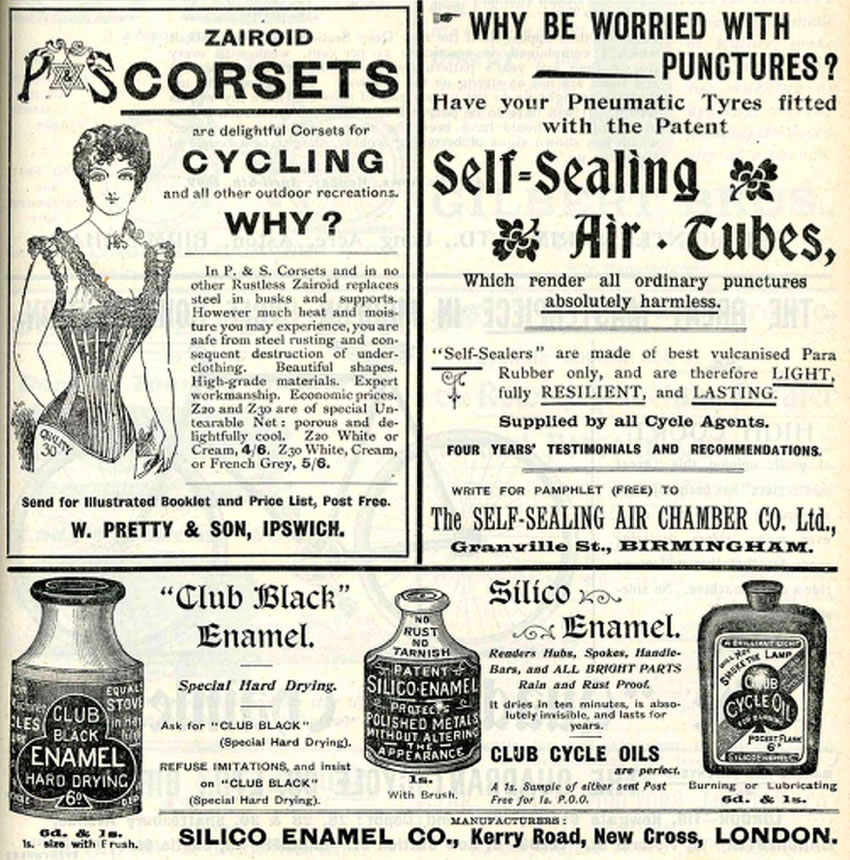
Cycling corset advertisement from the early 1900s, courtesy of The Online Bicycle Museum (www.oldbike.eu)
The 1920 flapper era waved goodbye to ankle length skirts, preferring a practical sheath knee-length with stockings, eliminating the disaster of skirts being caught in bike chains. Billowy blouses were replaced for smart, tailored tweed jackets and kitten heel leather shoes. Knee high cycling socks and moustaches continued for men, though cycling clubs in the ‘30s saw socks pushed down, knee-length shorts and shirt sleeves rolled up, while women embraced the new decade in even shorter skirts and shorts. Road racers donned lightweight cotton tank tops and knee-length shorts, without the socks to match.
The cotton T-shirt hit popular cycling culture in the ‘50s and ‘60s, and — no surprises — the shorts became even shorter, especially for men. Streamlining was the trend now, and with the legendary Swiss company Assos‘s introduction to that synthetic textile tour de force Lycra (a.k.a. Spandex) in the 1970s, the second-skin fabric became an industry standard for both racing and cruising (and grooving, too). Interestingly, knee-high cycling socks returned as a trend, but lighter cotton instead of wool. Vibrant colours became a necessity to be seen on the road, especially at night, as cycling commuters created a style tribe all of their own.
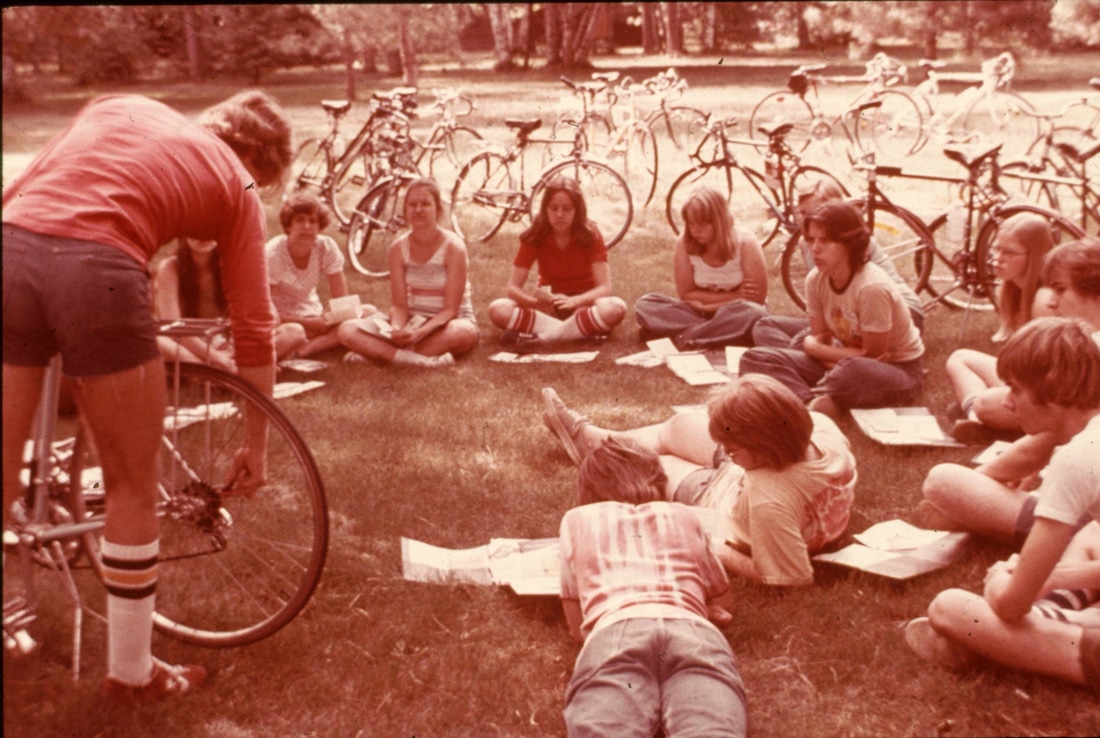
Bike circle in the 1970s, photo courtesy of Flickr user delunula dot com
Since then, merino wool, synthetic fabrics and lightweight natural materials have defined cycling apparel in both road biking and racing. Gone is the tweed and heavy wool of the early 1900s, now Merino wool insulates but doesn’t overheat and is odour-resistant, making it perfect for spring rides. Synthetic fabrics like Lycra and polyester blends wick away sweat and are super breathable, a perfect combination for mountain biking apparel and racing jerseys. For riding around town, cotton breathes exceptionally well although it doesn’t rest next to the skin as well as synthetics, and therefore is not aerodynamic, but cooling and comfortable. The skort has increased in popularity over the years, a modern-day version of the skirt over bloomers trend in the late 1800s, as bike shorts are covered with a stretchy skirt, for a feminine look without compromising practicality.
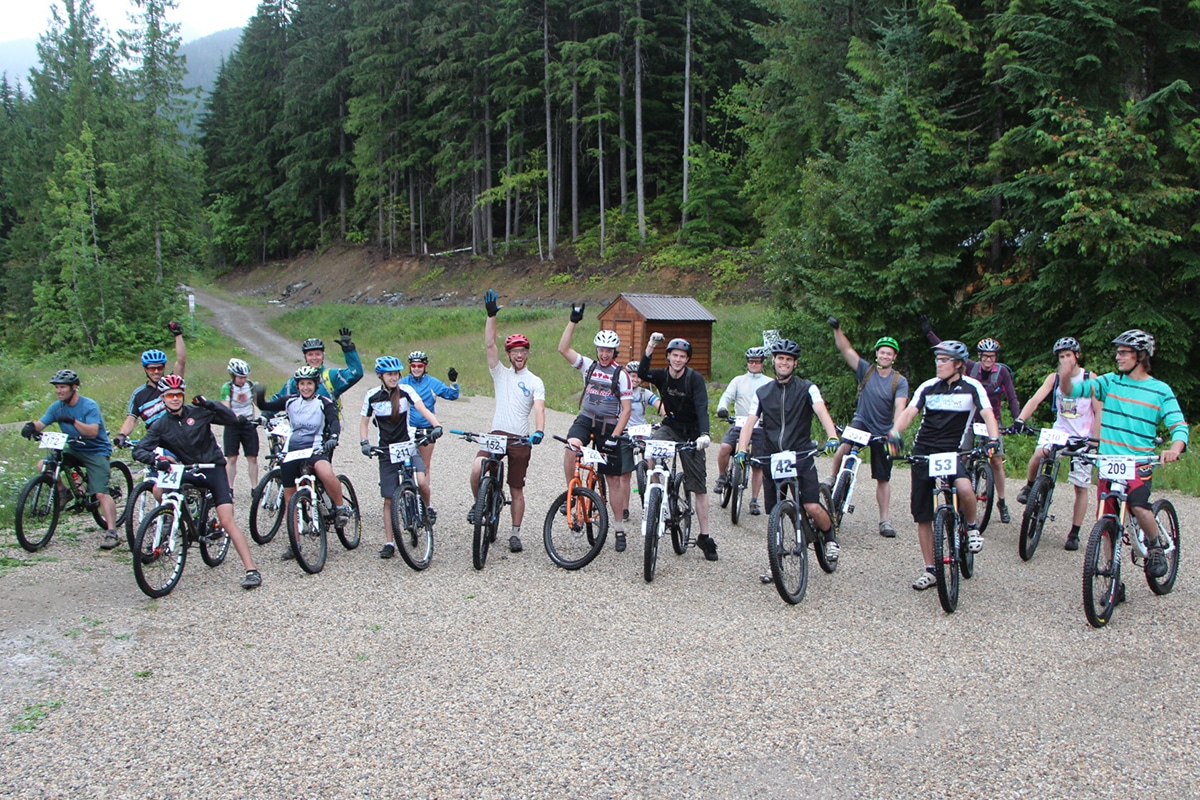
Revelstoke Cycling Association club members 2014, courtesy of the Revelstoke Cycling Association
Cycling itself is a sustainable method of transportation, so it is unsurprising that environmentally friendly textiles are popular in sportswear. Similar to cotton are bamboo and Lyocell (also known as Tencel), which are both natural fibres that wick away sweat, are hypoallergenic and odour-resistant. These fabrics are both sustainable and practical for shorter rides, and key textiles in the future of an eco-conscious fashion industry.
Let’s be thankful that steel corsets and breeches are a thing of the past, but embrace the practical trends that have stood the test of time.
What did you think of this story?
Your feedback after we publish a story helps ensure we're always improving our reporting to better serve you
Related Articles

Wastewater treatment plant upgrades set to future-proof facility for 2 decades
Plans to include Big Eddy residents and businesses into the updated facility still in the early stages, city director of engineering says.

Revelstoke granted $200,000 to rework development guidelines
Clarifying building requirements is key in speeding up development approvals, director of development services says.

More childcare spaces needed as families face estimated $35,000 income impact annually
Revelstoke Child Care Society still has over 160 families waitlisted as plans to expand into Okanagan College building take shape.