With the sun shining and the snow banished from the valley, it’s a safe bet that almost none of you gardeners are eager to hunker down indoors with a pad and pen to plan out your season of gardening. Cue the groans and flashbacks to high school trigonometry classes. But for gardeners like me who rocked trigonometry it’s a chance to break out the graph paper and flex those nerd muscles!
I map out my growing areas, surveying the blank canvas and envisioning how I’d like to use each area in the coming season. What to grow? Where to grow it? What worked last year and what didn’t? The seemingly simple task of sowing seeds quickly becomes quite the conundrum! As that all stews in my mind, I gradually sprinkle in critical details like irrigation, sun and wind exposure, soil composition, crop rotation, and even the footpaths of that bumbling black bear that my dog seems to like so much. Eventually a plan emerges, detailed by month and broken down to the individual seed and my inner nerd feels satisfied. The nerd muscles are swoll!

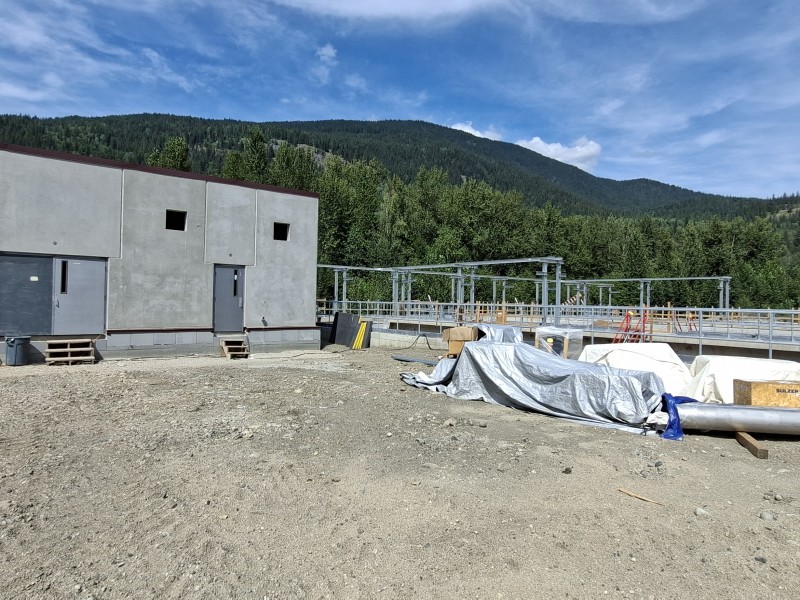
The garden starts off like this…
Of course i know that Mother Nature doesn’t exactly color within the lines and that some unusual type of pestilence or weather will toss all my finely laid plans to the wind in the first few weeks of the season, but I always feel like good preparation, and even not-so-good preparation, gets the growing season started off on the right foot. It’s a chance to stock up on basic supplies before they’re gone and to address broken or inadequate infrastructure before things shift into high gear. Preparation also hones your planning skills and blows the cobwebs out of those neural networks, which will help you quickly develop a good Plan B as soon as those inevitable challenges arise. You’ll have a better grasp of the ‘rules’ and a better understanding of how to work within and around them. As Pablo Picasso once said; “Learn the rules like a pro, so you can break them like an artist.”

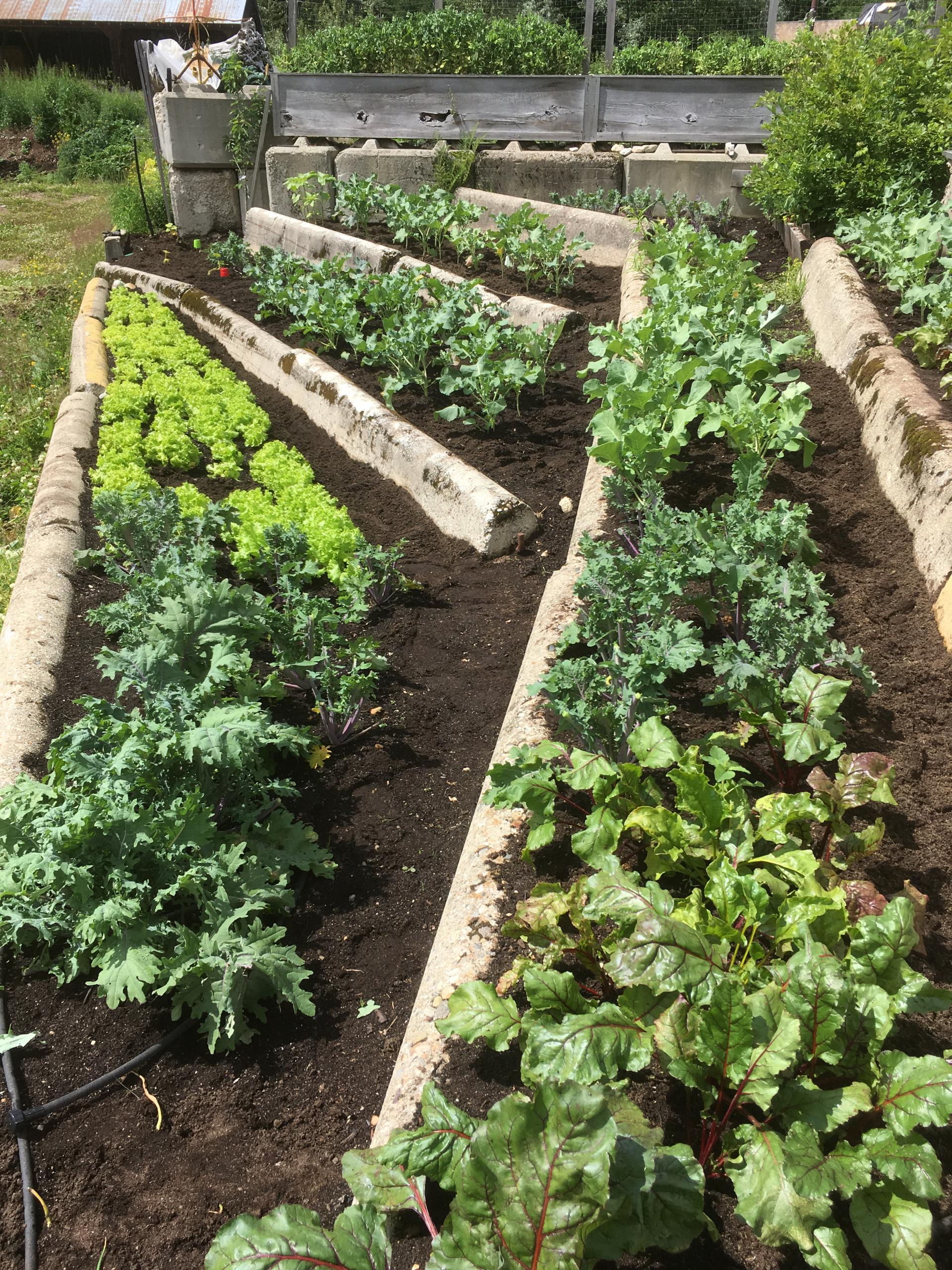
… and eventually looks like this. This is from 2019.
I had a plan for this column, outlined in my head with protractors, but as I type along I can see that it’s just not going to work. I wanted to talk about irrigation and companion planting and other big topics but it’s just too much to shoehorn into this space. So my Plan B is to wrap this up by asking: why do you want to grow? Whatever your vision is, let that guide you in your planning. If you just want fresh veggies from your backyard, pick a few low maintenance staples and skip the eggplant and turnip. Want a colorful and vibrant garden? Plant flowers and let some of your veggies go to seed — the bees will love you for it. Just want to zen out and pick weeds? Maybe skip the trouble of developing your own garden and, instead, help out at one of the community gardens or at the Revelstoke Food Bank Garden. Believe me, it’s greatly appreciated.
They say it’s better to be lucky than good, and that luck favours those who are prepared, so get prepped for a successful summer!