
Some pitfalls and difficulties that Revelstoke landlords face
Finding rental space in Revelstoke is admittedly difficult, but being a landlord can also involve pitfalls and difficulties. This article by Revelstoke lawyer Robyn Goldsmith aims to highlight some common sources of conflict for landlords and offer a legal perspective.
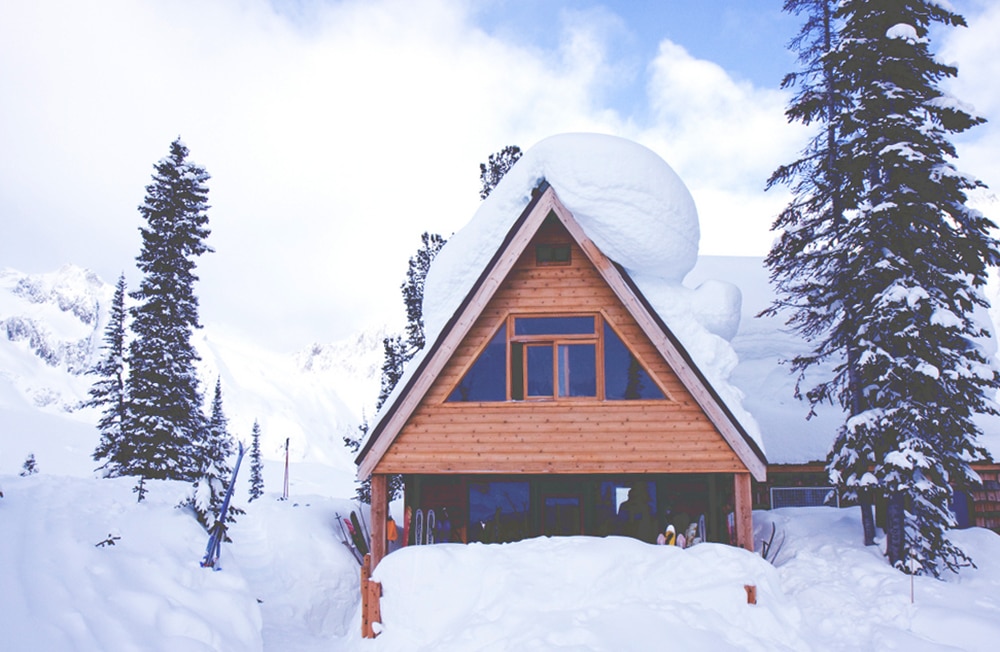
Finding rental space in Revelstoke is admittedly difficult, but being a landlord can also involve pitfalls and difficulties. In the last column I wrote, I focused on issues facing tenants. This article will aim to highlight some common sources of conflict for landlords and offer a legal perspective.
First, it’s important to know what kind of rental arrangement you are looking at. If you are renting out a separate space to the one you live in, be it a house, apartment, or suite, your situation will be covered by the Residential Tenancy Act (the “RTA”). If you rent out pads in a trailer park, the Manufactured Home Park Tenancy Act will apply. If you are renting out a room and share a kitchen or bathroom with your tenants, there is no governing act. In any of these situations, the best piece of advice I can give you is to ensure that you deal with each other in writing. If you end up in dispute resolution, a written record will be immensely helpful.
For those who are renting out rooms, you will need to come up with your own agreement with your tenant, whether verbal or written. I recommend a written agreement, as it will provide helpful assistance if a dispute arises. Your agreement doesn’t need to be fulsome or fancy, just ensure that you set out the term, the price, what space is being rented, and what events would enable you to keep the damage deposit or a portion of it. Also ensure that tenants are covered on your insurance policy.
For those in RTA situations, you have a lengthy act to look to for guidance. At the outset of the tenancy, ensure that you have executed an agreement that works with the RTA requirements. There is a fillable agreement available from the Residential Tenancy Branch, and you can add schedules to it if there is anything else you want addressed. The following applies mainly to those whose situation is governed by the RTA.
1. Finding Tenants
When looking for tenants, you are permitted to ask for references, to ask for proof of ID, and to perform a credit check. Ensure that if you ask for personal information you protect it carefully so you aren’t in breach of any applicable privacy laws.
2. The Term of the Agreement
One of the biggest difficulties for landlords in Revelstoke is trying to fill your rental property for the full year instead of just the ski season. Of course, there are tenants who are searching for short-term rentals in the winter, and often your interests won’t line up.
Be wary of tenants who might complain of breaches or problems with the tenancy in April or May (things that they would have happily ignored were it not in their interest to break the lease). It’s fairly easy to be in breach of some of the minor terms of a rental agreement or the RTA. Your best course of action is to read your lease, understand it, and follow it carefully. If it comes to your attention that there are any problems with the unit, address the problems in a timely way.
If the tenants come up with complaints about your adherence to the terms of the lease or the RTA to try to wriggle out of their lease, proceed to dispute resolution. The Residential Tenancy Board dispute resolution process is simple, accessible, and designed for practical solutions. A breach that is not considered “material” to the rental agreement will not be considered serious enough to permit the tenants to end the agreement.
3.“Guests” Who Overstay
Your tenants are permitted to have guests; however, you can place reasonable requirements on how many guests are permitted and how long guests are permitted to stay. If it appears that a guest has become a tenant, address the issue with your tenants in writing. You can’t charge extra if your tenants have guests, but once those guests appear to be actually living in the unit, you can either ask that they leave or that they pay rent, depending on the terms of your rental agreement.
4. Late or Unpaid Rent
If rent is unpaid by midnight on the date the payment is due, you can serve notice of your intention to evict the tenant. A ten day eviction notice can be served the day following the due date, and the tenant will have five days to settle up. Do not remove or limit access to the tenant’s personal property without permission of the court, and do not restrict access to the unit until the proper period has elapsed.
5. The Unit Being Left in Poor Condition
When the tenancy has come to an end, ensure that you walk through with the tenant. If there is any damage that has been caused during the tenancy, make a note of it, and consider photographing it. Make a request in writing to the tenant to keep all or part of the damage deposit. If the tenant disagrees, apply for dispute resolution. If the damage exceeds the amount of the deposit, you can either request that the tenant repair the damage, and failing that, apply for dispute resolution to have the tenant pay for the repairs. Remember, however, that tenants are not responsible for reasonable wear and tear.
6. Tenants’ Possessions
Particularly when there is storage space on a property, seasonal tenants have a habit of leaving possessions behind. If the item likely has a market value of over $500, you are obligated to store it for 60 days following the end of the tenancy. Before disposing of it or selling it, you must give the tenant 30 days’ notice at their forwarding address and search the Personal Property Registry to see if there is a lien registered on the item. However, under the Unclaimed Property Act, a landlord is not entitled to keep the profits of a sale. If the item has a market value of under $500, it is likely best to follow rules of common courtesy. Try to contact the tenant and ask if they want or realize they forgot the item. If they don’t want it or you can’t get in touch with them, dispose of it as you see fit.
There are many resources available for landlords. The Residential Tenancy Branch website is a great resource. Tenantsbc.ca has free fillable forms, and offers advice and guidance for landlords and tenants alike. If this all sounds a bit intimidating, consider hiring an experienced property manager.
What did you think of this story?
Your feedback after we publish a story helps ensure we're always improving our reporting to better serve you
Related Articles
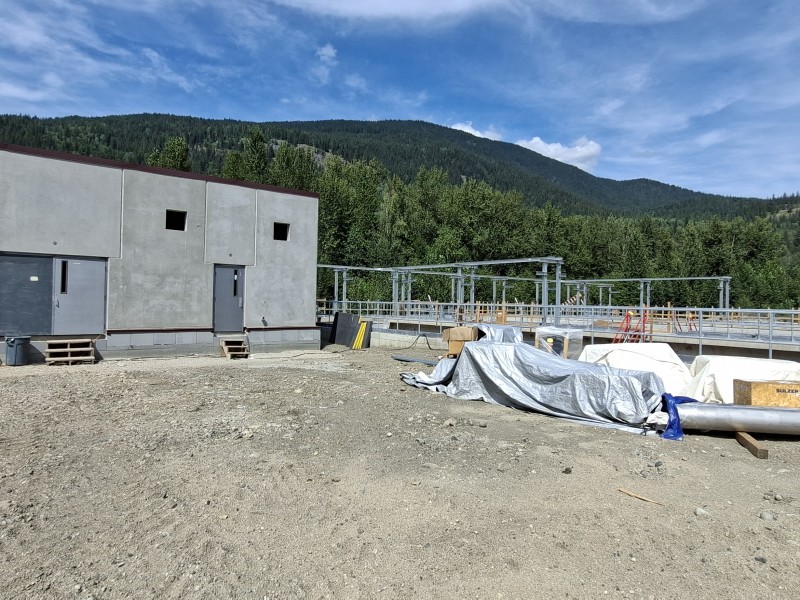
Wastewater treatment plant upgrades set to future-proof facility for 2 decades
Plans to include Big Eddy residents and businesses into the updated facility still in the early stages, city director of engineering says.

Revelstoke granted $200,000 to rework development guidelines
Clarifying building requirements is key in speeding up development approvals, director of development services says.

More childcare spaces needed as families face estimated $35,000 income impact annually
Revelstoke Child Care Society still has over 160 families waitlisted as plans to expand into Okanagan College building take shape.