
National Indigenous Peoples Day: Dealing with ongoing trauma
‘Now more then ever it is important to really hear and amplify Indigenous voices, and acknowledge the truth behind it.’
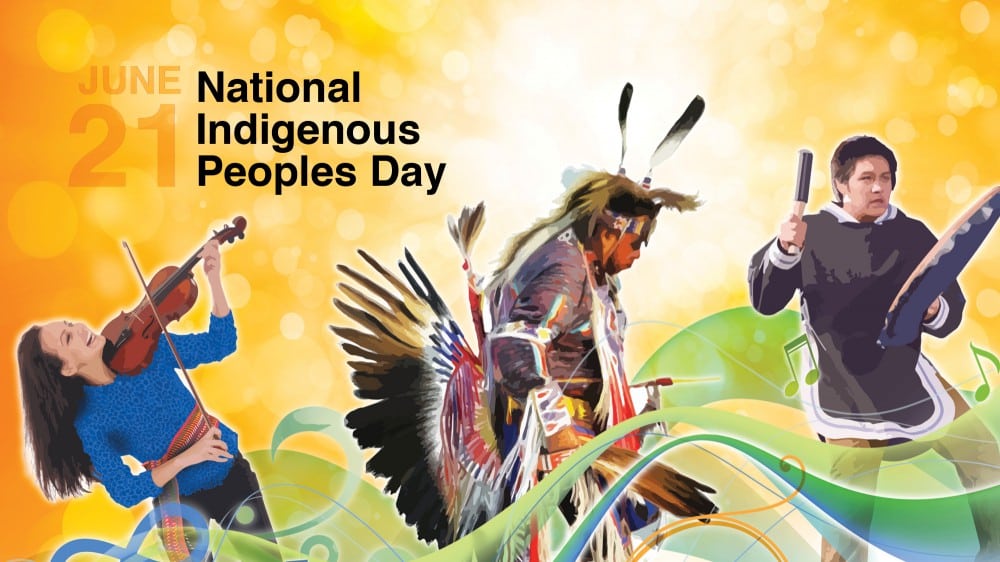
With the remains of 215 children found buried at a Kamloops former residential school last month, National Indigenous Peoples Day on June 21 is as significant as ever in acknowledging the impacts of trauma.
“It is honestly difficult for me to talk about the profound effect of the residential schools and intergenerational trauma,” Revelstoke counsellor Caylan Barber says. “It is beyond tragic what has happened to Indigenous children and their families, and what continues to happen. The systemic issues created are still very present in our society today and change needs to happen. Accessible mental health care in combatting intergenerational trauma is a huge part of that.”
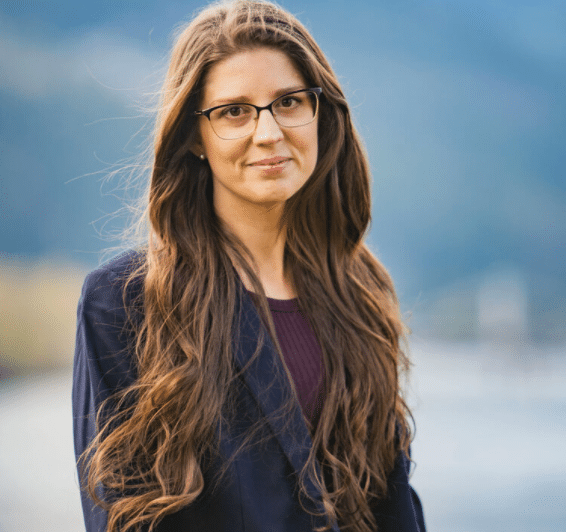
Counsellor Caylan Barber
The Kamloops site is one of more than 150 institutions in Canada that for well over a century forcibly separated Indigenous children from their families to assimilate them into Canadian society.
Barber is filling the part-time role of counsellor for the Revelstoke Women’s Shelter Society’s, left by Terri Forester who has pursued opportunities outside of Revelstoke. The shelter offers up to 10 free sessions and since the program began last year, 270 appointments have been made helping all genders/identities.
Barber also runs her counselling business Mountainside Wellness. She brings a wealth of experience and knowledge to her work, particularly on indigenous issues. She identifies as part Syilx and Métis and prior to becoming a counsellor she worked with Indigenous youth for about seven years. In that time she noticed a gap in mental health support that incorporates culture, community, movement and holistic health, such as the medicine wheel. These are all elements integrated into her practice, along with more traditional modalities such as CBT (Cognitive Behaviour Therapy), ACT (Acceptance and Commitment Therapy), IFS (Internal Family Systems), EFT (Emotionally-focused Therapy), relational therapy and more.
National Indigenous Peoples Day, 2021. Photo: Government of Canada
“There is a more colonial perspective that trauma is something that happens and you treat it versus people actually currently living and fighting within and against a traumatizing system,” Barber explains.
“National Indigenous Peoples Day is important to every community, to honour and respect the land that has been forcibly taken, and to learn and celebrate Indigenous culture. Now more then ever it is important to really hear and amplify Indigenous voices, and acknowledge the truth behind it.
“I am still learning, constantly, and trying to do so as respectfully as possible, while acknowledging the privilege I carry being white-passing.”
In her work, Barber also hopes reach other marginalized communities (BIPOC, ND, LGBTQ2SIA+). The counselling program is open to all genders/identities as well as birth and reproductive trauma. To book a free session with Caylan, email [email protected] to be added to the waitlist.
To learn more about National Indigenous Peoples Day click here.
What did you think of this story?
Your feedback after we publish a story helps ensure we're always improving our reporting to better serve you
Related Articles
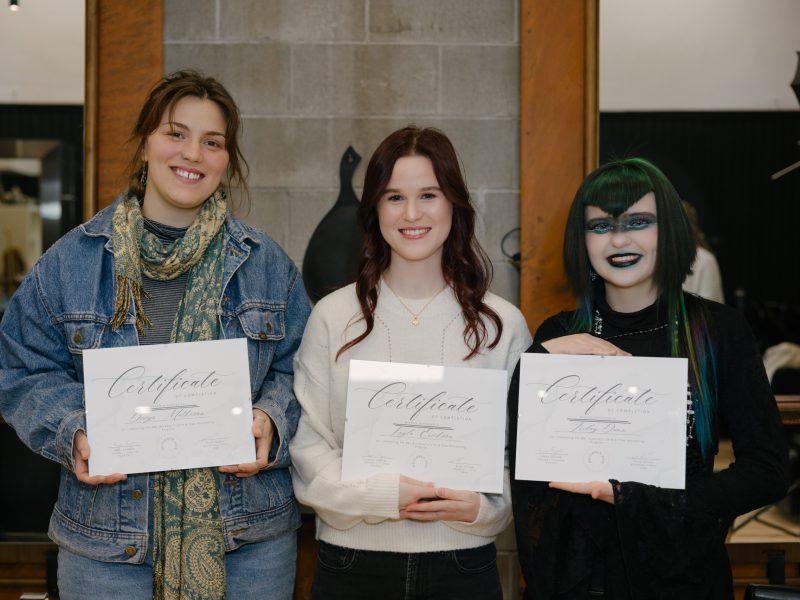
Birch and Lace salon offers apprenticeship-style academy for future hair stylists
The skills program aims to keep residents in town and learning in-house as salon founder focuses on accessible education opportunities.
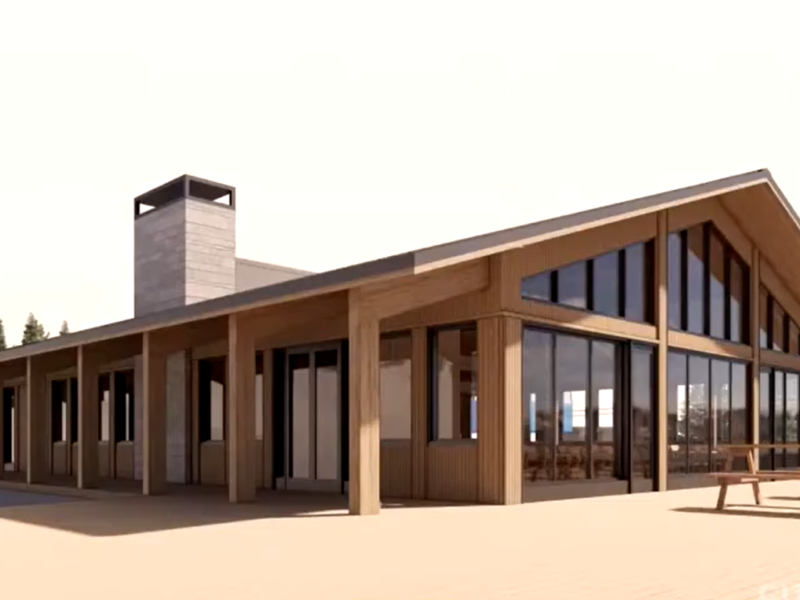
Revelstoke Mountain Resort provides updates on infrastructure upgrades and partnerships
Resort president Jason Kelder shared planned changes coming to the resort, which include a new warming hut.
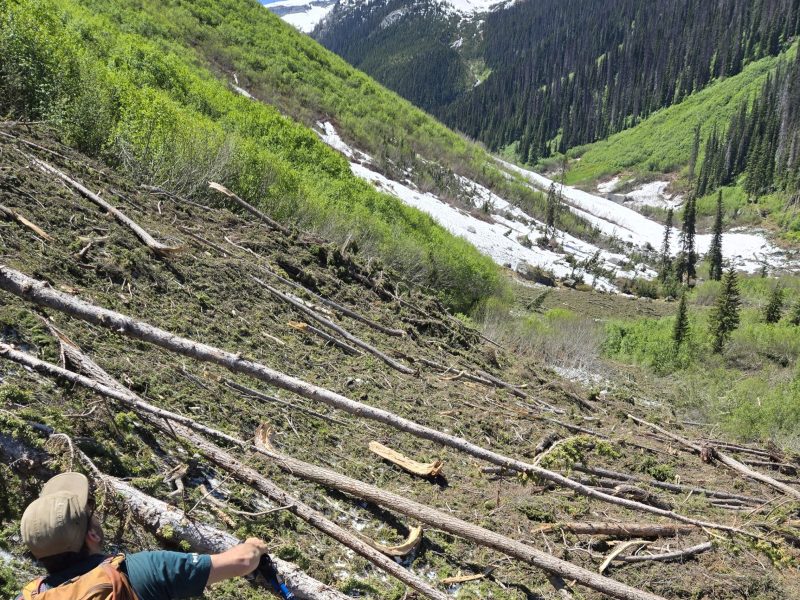
Glacier National Park trails remain closed following heavy avalanche season
Balu Pass trail, along with two others are closed indefinitely as Parks Canada staff evaluate how much of the popular trails will need to be rebuilt.