
Mountain Joy: Nat Segal on finding new paths
Revelstokian Nat Segal explores chronic pain and the joy of the outdoors in new film Mountain Joy.
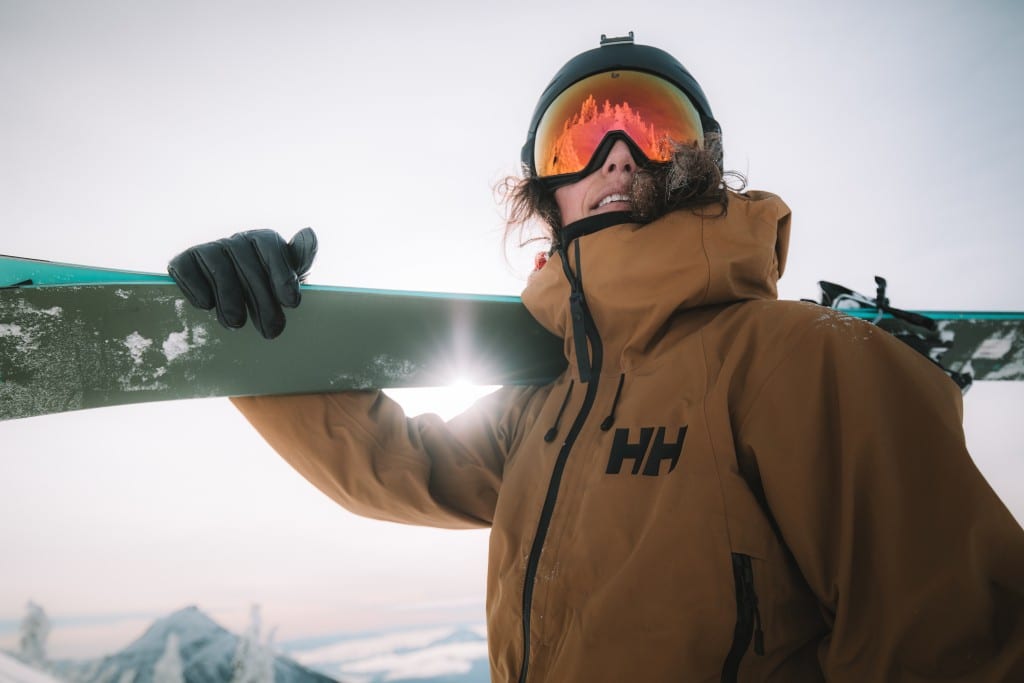
It’s a crisp winter afternoon in Revelstoke. The air is sharp, the snow piled high and the mountains stand like sentinels, cloaked in white. This place, known for deep powder and rugged terrain, draws in skiers and dreamers alike, making it a natural meeting point for conversations about adventure and ambition. A conversation with Nat Segal spans far more than the world renowned slopes, exploring the bonds of sisterhood and friendship, the relentless search for purpose and what it means to find your way—on skis, behind a camera or through life itself.
It’s easy to imagine a younger Segal, standing atop a ridge in Chamonix, France, her polka-dot ski jacket stark against the blinding white expanse of glaciers. Back then, she was a freeride skier with something to prove—dropping cliffs, threading through moguls and trying to navigate fear with a ferocious kind of curiosity. Fast forward to 2025 in Revelstoke, far from her Australian roots, she has found a new home. It’s a place as sharp and raw as the career highs and physical struggles that define her path.
At one time, Segal was unstoppable; earning her spot on the Freeride World Tour, sailing across oceans to ski untouched descents in Greenland and quietly establishing herself on the international freeride circuit. Then came the setbacks: a torn ACL, battles to reclaim her place on the tour and ultimately, a new opponent—chronic pain, later diagnosed as Ankylosing spondylitis, a form of inflammatory arthritis. For an athlete whose identity was steeped in physical expression, the loss was seismic. Yet, resilience has always been at the heart of Segal’s story.
Her skiing journey began as a family affair, driven by her mother’s love for the mountains and fostered through trips to Mount Buller in Australia. What started as a recreational outlet evolved into a competitive pursuit, one that was both inspiring and challenging. Her sister Anna played a pivotal role, acting as a mentor and collaborator throughout her journey.
“We’ve always pushed each other, and now we inspire one another in ways that go beyond skiing,” Segal said. That bond—equal parts family and partnership—became a lifeline during the more difficult stretches of her career.
Mountain Joy an exploration of pain and joy through filmmaking
Whether it’s leaning on her older sister or the women she’s skied alongside, Segal’s successes have been about collaboration and a shared pursuit of joy. Mentorship has been a defining force in Segal’s life, both as a recipient and a giver. In her competitive years, she benefited from the guidance of athletes like Lorraine Huber and Crystal Wright. Today, she’s committed to fostering similar connections, particularly through inclusive backcountry programs and creative collaborations.
“Mentorship isn’t always formal,” Segal said. “Sometimes it’s just about showing up for someone, being there to listen or offer advice.”
This philosophy extends to her filmmaking, where she’s traded competitions for storytelling and collaboration and mutual support are cornerstones of her processing.
Her latest project, Mountain Joy, is a reflective and intimate short documentary that unpacks chronic pain and the choices we make when life forces us to slow down.
Segal’s experience with chronic pain profoundly changed her relationship with skiing and herself, a transformation the film reflects, offering a candid glimpse into the emotional toll of living with pain while rediscovering what it means to move and find joy in the outdoors. It’s not just about skiing. It’s about building a mindset that balances performance with rest and self-compassion.
Filmmaking became an extension of Segal’s creative spirit. Her first project, Shifting Ice and Changing Tides, co-produced with an all-female, athlete team, combined adventure and advocacy, focusing on environmental issues while celebrating human resilience. This early experience laid the groundwork for her more personal projects, such as Finding the Line, which she co-produced with Anna, and now Mountain Joy.
Through these films, Segal has honed a unique perspective.
“Filmmaking allows me to share stories that matter to me,” she explained. “With Mountain Joy, I wanted to start a conversation about pain—not just as a limitation, but as something we can work through and learn from.”
The film’s narrative doesn’t shy away from the harsh realities of chronic pain, but it celebrates the transformative power of nature. In it Segal’s message is clear: the outdoors can be both a source of healing and a space to navigate life’s uncertainties.
What stands out most about Segal is her ability to adapt—a trait that’s as essential in filmmaking as it is on the slopes. Chronic pain, she said, forced her to reimagine what resilience looks like.
Segal’s journey, as depicted in Mountain Joy, is not one of overcoming pain but of learning to live with it. It’s about finding balance—between ambition and rest, independence and community, movement and stillness. The film is both deeply personal and universally resonant, a testament to the power of resilience and the joy of redefining what’s possible.
“Resilience doesn’t mean pushing through at all costs,” she reflected. “Sometimes it’s about stepping back, reevaluating and finding new ways forward.”
This ethos is central to Mountain Joy, which she described as an invitation to rethink how we approach challenges whether they’re physical, emotional or creative. The film underscores the importance of listening to our bodies, embracing rest as much as action and finding joy in the simplest moments.
As Segal looks ahead to future projects, her focus remains clear: telling stories that inspire connection and reflection. Whether she’s on the slopes or behind the camera, she continues to chart a course defined by creativity, perseverance and the enduring power of the outdoors.

What did you think of this story?
Your feedback after we publish a story helps ensure we're always improving our reporting to better serve you
Author

Related Articles
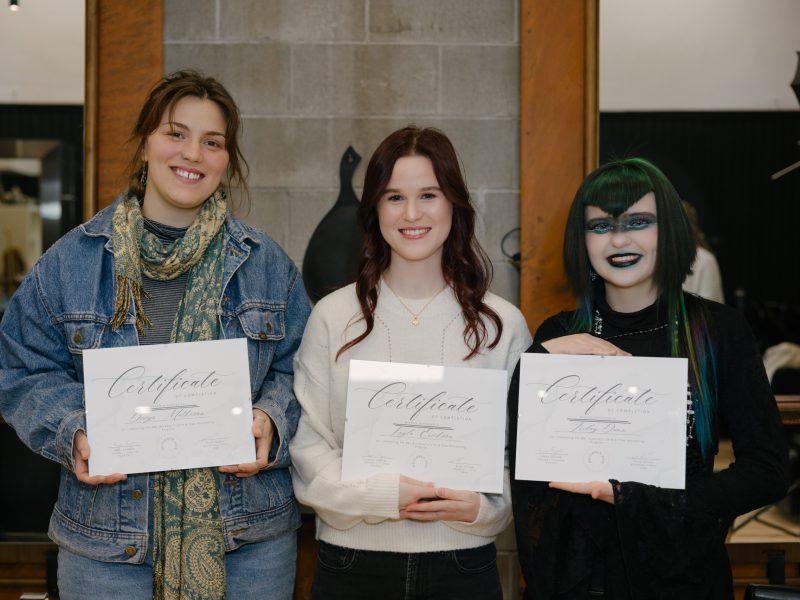
Birch and Lace salon offers apprenticeship-style academy for future hair stylists
The skills program aims to keep residents in town and learning in-house as salon founder focuses on accessible education opportunities.
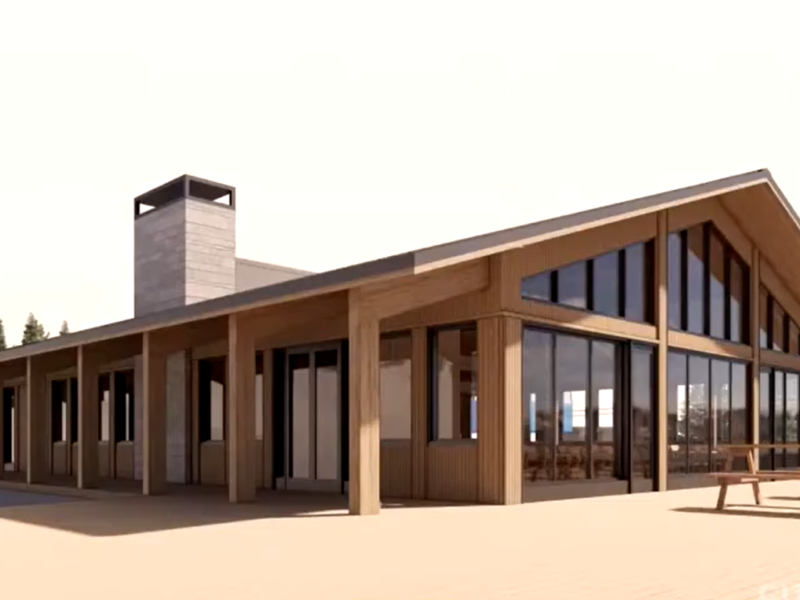
Revelstoke Mountain Resort provides updates on infrastructure upgrades and partnerships
Resort president Jason Kelder shared planned changes coming to the resort, which include a new warming hut.
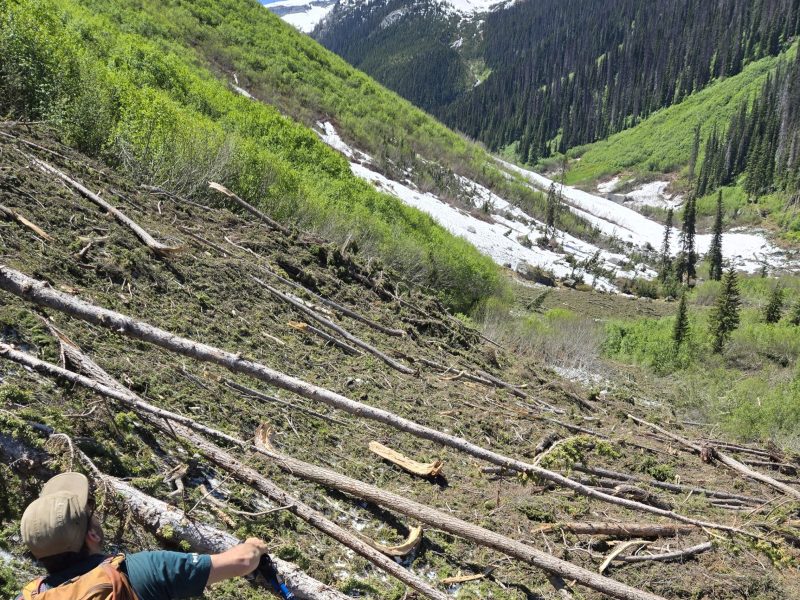
Glacier National Park trails remain closed following heavy avalanche season
Balu Pass trail, along with two others are closed indefinitely as Parks Canada staff evaluate how much of the popular trails will need to be rebuilt.