
How to upgrade your home without sacrificing its history
‘You’re gonna get improvement no matter what you do on a lot of these older homes,’ local contractor Teagan Milaney says.

Maintaining Revelstoke’s heritage homes is vital to blending the city’s past with its present and creating a seamless connection between then and now. But valuing history shouldn’t mean forfeiting the technological benefits of today. One Revelstoke couple learned that upholding history and creating a more eco-conscious, sustainable home can go hand-in-hand.
Jessica and Teagan Milaney live in a four bedroom house about two blocks from Revelstoke’s downtown core. They recently went through the process of updating their home, while preserving its heritage.
“We know that the community of Revelstoke values the heritage homes within our downtown core, as well as equally valuing sustainability and taking positive steps towards caring for our planet,” Jessica told the Mountaineer. “With this in mind, my husband and I set out to complete an exterior renovation which would seamlessly blend the rich history of heritage homes with cutting-edge energy efficiency.”
As the owner of Parallel Vision Contracting, Teagan’s team helped the couple come up with a plan to execute their idea.
“The primary goal was not only to restore the home’s timeless elegance, but also to elevate its functionality to exceed the current B.C. building code, setting a new standard for heritage home sustainability,” Jessica explained.
The goal of striking a “delicate balance between honouring the past and embracing the future” was achieved with various upgrades according to Jessica, from “upgraded insulation and energy-efficient windows to a cutting-edge HVAC system.”
“Every aspect of the renovation was carefully thought out to maximize energy performance without compromising the home’s authentic character,” she said.
Originally built in 1901, the home had an older vinyl siding when the Milaney’s bought it. The mudroom was not incredibly functional being tiny and poorly insulated. With three kids, lots of ski gear and boots, this was where Teagan said they began their project.
“It was kind of an organic and evolving thing…we wanted to start it off and said, ‘Well let’s add a mudroom and a wraparound porch.”
Adding a porch turned into redoing the siding, which turned into upgrading the windows, which led to adding exterior insulation.
“So it really did take on a bit of a life of its own,” Teagan said.
But staying true to the home’s heritage was important for the Milaney’s, having been drawn to the history when first visiting Revelstoke.
“One of the things that attracted us to Revelstoke in the first place was the history and the character of the town,” Teagan recalled. “When we were moving here, we definitely loved the downtown core, the aesthetic of the homes, the feel of the old houses.”
But Teagan’s proximity to new technology and techniques for making new homes quieter, more comfortable and with better air quality inspired them to combine the old with the new.
“We wanted to have the benefits of a modern home, but still the aesthetic and the feel of the heritage home.”
To do that, they did a deep energy retrofit. This included cutting the eaves of the house off and incorporating a whole new air and thermal barrier and triple-pane windows.
“So we were able to bring in increased insulation, making the home much more airtight,” Teagan explained. “With those two things, we actually were able to cut more than half our home’s energy use.”
To keep the Revelstoke feel in their home, they made sure to incorporate cedar and Douglas fir elements, both inside and outside the house. Still, the house has some modern flair with a metal siding in their board-and-batten style, which Teagan said is a traditional look, mixed with a resilient material that will stand up to the test of time.
Taking around five or six months, the Milaney’s went full steam ahead, but to make it more affordable, others with interest in updating their homes can make changes incrementally. For example, replacing windows or improving a house’s air barrier can help with energy efficiency. In addition to taking things one step at a time, BC Hydro and the provincial government offer a number of rebates for energy efficiency upgrades.
Additionally, the City of Revelstoke mandates homes within the Revelstoke Station Heritage Conservation Area apply for additional permit requirements, so homes within that boundary will require a few more steps than the Milaney’s, whose home lies just outside that district.
“You’re gonna get improvement no matter what you do on a lot of these older homes,” Teagan said. To get started, he advised talking with a contractor and doing a pre-project energy assessment to get a feel for how your home uses energy prior to any improvements.
“The energy advisor will plug in all the information on your home, things like quality of windows, the amount of insulation, the types of heating systems that you’re using, and when all that information is punched in, it will give you an EnerGuide rating,” Teagan explained.
A typical new home is rated at 99 gigajoules a year. In the Milaney’s pre-assement, their house was rated at 132 gigajoules per year. When all was said and done, they had a rating of 64 gigajoules per year, more than a half reduction.
This decrease in energy bills was huge for the Milaney’s, but Teagan said he really sees the value in the quality of life they now have, being so close to downtown.
“There’s obviously traffic and sometimes late night noise and trains and all kinds of things, but the house is so much more quiet and comfortable, wherever you are.”
In the end, it will also boost the value of your home, Teagan said.
“I think more and more people are going to be looking for things like EnerGuide rating, and the insulation value of a home as something that is a strong consideration when they’re buying a property.”
All in all, the Teagan’s home now runs more efficiently, and they feel good about not sacrificing their dreams of an aesthetic, heritage style home that reflects Revelstoke. They also feel confident their abode will stand the test of time thanks to the upgrades.
“I feel like the improvements that we’ve done now make this house perform better than your typical modern house,” Teagan said. “We went so far beyond the kind of the standard of even today that this house I feel, is good for the next 100-123 years.”
What did you think of this story?
Your feedback after we publish a story helps ensure we're always improving our reporting to better serve you
Author

Related Articles
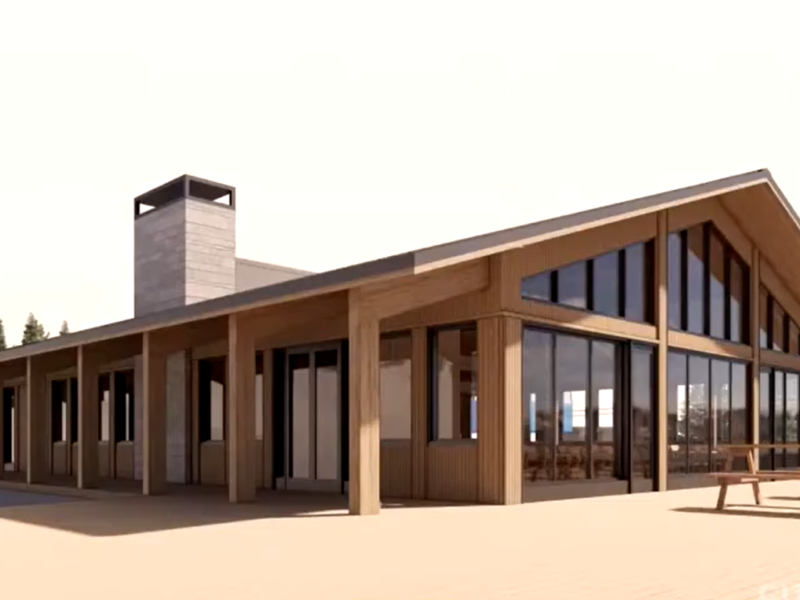
Revelstoke Mountain Resort provides updates on infrastructure upgrades and partnerships
Resort president Jason Kelder shared planned changes coming to the resort, which include a new warming hut.

Regional district board backs sale of Revelstoke airport
The City of Revelstoke is seeking to retake ownership of the airport, which was sold in 1980.
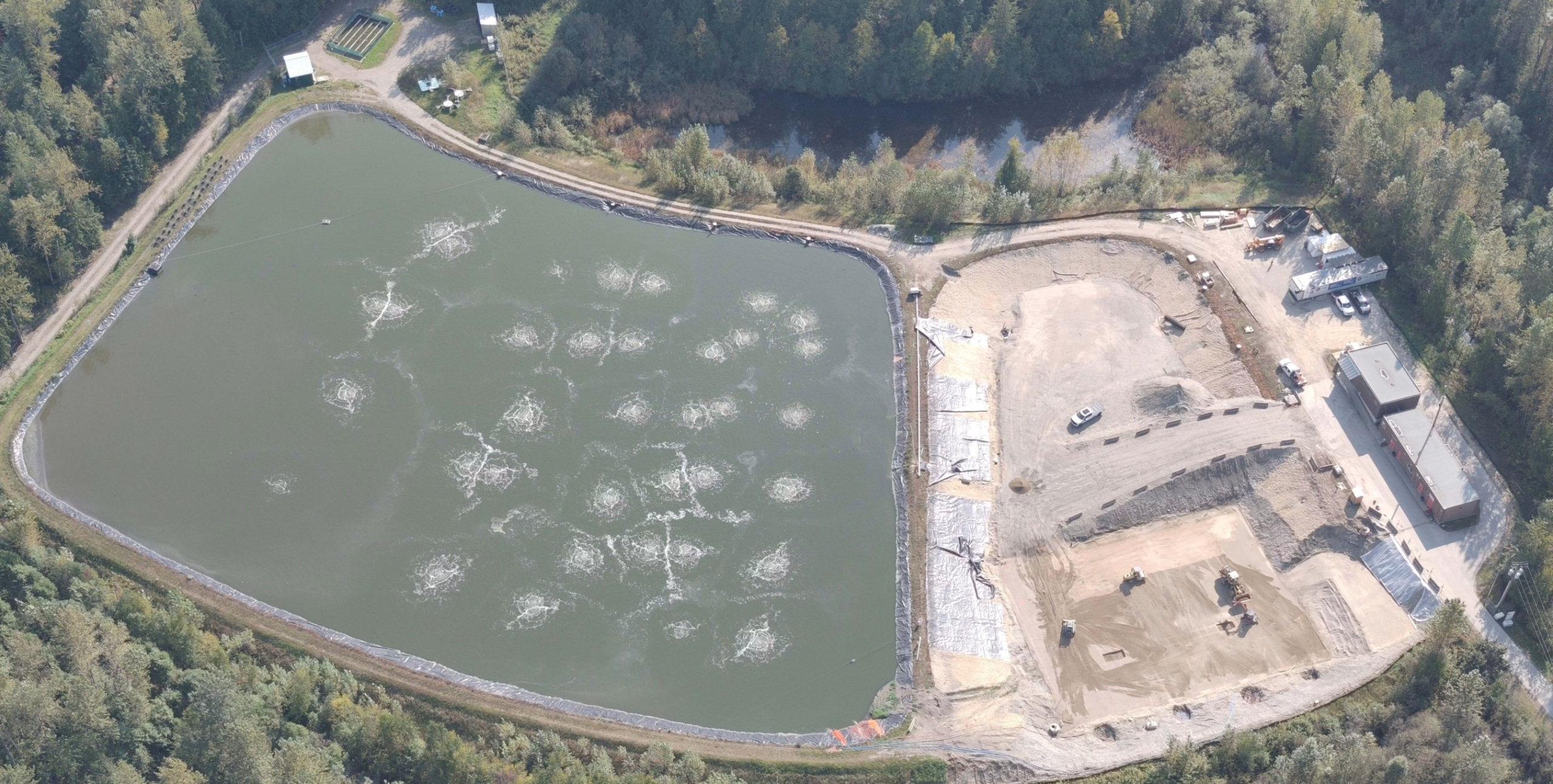
‘It impacts my whole life’: Residents share concerns with wastewater treatment plant stench
With wastewater treatment plant smells expected to last through the summer during construction, residents want the health impact acknowledged.