
How Canadian electoral reform may happen, and what it could mean for Kootenay–Columbia
Prime Minister Justin Trudeau made some pretty clear commitments regarding electoral reform, but achieving it is another story. In her latest column, Revelstoke lawyer Robyn Goldsmith looks at the path forward, and what that could mean for the political landscape in Kootenay–Columbia next election.
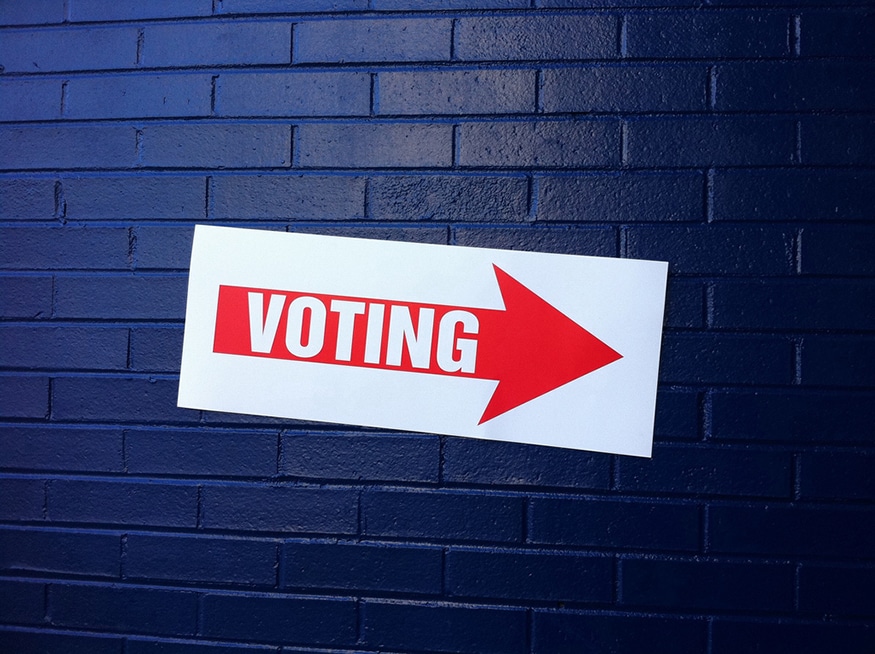
Following the Oct. 19 election, there has been a lot of buzz around Prime Minister Trudeau’s promise of electoral reform. He went so far as to promise that we won’t have another election with our first-past-the-post (FPTP) voting system, and that the process of electoral reform would start within eighteen months of the Liberals having formed government. This was an important promise to many, and one that people will no doubt be monitoring, especially in the wake of a decisive victory under FPTP.
It is unclear what our new electoral system could look like, although there are a number of potential democratic models that we could emulate. Ranked balloting and proportional representation, two disparate systems, are two options that have been put forth. But how would the new government go about making such a monumental change, and what will the effect be on our area?
An all-party parliamentary committee
Most big changes in legislation start with a review committee to identify challenges, plan strategies, and engage experts to look into potential issues. From the committee, a recommendation would likely emerge for a certain system.
A national referendum?
When electoral reforms have been proposed provincially, the issue has gone to a referendum and failed. British Columbia held a referendum in 2005 proposing a single transferable vote electoral system, which failed. Prince Edward Island also voted against electoral reform in 2005. In 2007, Ontario voters defeated a referendum that proposed to introduce mixed member proportional representation. If Prime Minister Trudeau intends to keep his promise of ending FPTP, then a national referendum may not be the best way to follow through; the issue may be best left to Parliament.
A majority vote in Parliament
Unlike many major changes to our governance structures and democratic institutions, changing the electoral system would not require a constitutional amendment (which would require the consent of the provinces). A simple Parliamentary majority could send our FPTP system out the door.
Major changes to the Canada Elections Act
If the government perseveres with electoral reform, the Canada Elections Act will need a major revamp. That job will be left to behind-the-scenes lawyers and a parliamentary committee who will assist in identifying and drafting changes. The Canada Elections Act is a hefty 554 sections long so it will be a big project.
In our riding, the NDP candidate Wayne Stetski won on Oct. 19 by a narrow margin. Were we to use a different voting system next election, the result could be quite different. If voters had two votes, as they do in a mixed member proportional system, we could see more support for the parties that have traditionally received a smaller share of the vote. If we ranked ballots, we could see a redistribution of support with people ranking their favourite candidate through to least favourite.
At the Revelstoke all candidates debate in September, our new MP Wayne Stetski urged voters to vote Green or Liberal in their hearts, but to vote for the NDP on election day. Electoral reform could help to end the push towards strategic voting. Perhaps a new electoral system could help to a more positive culture around the way we vote, the way we debate, and the way we engage with our local politicians.
What did you think of this story?
Your feedback after we publish a story helps ensure we're always improving our reporting to better serve you
Related Articles
Wastewater treatment plant upgrades set to future-proof facility for 2 decades
Plans to include Big Eddy residents and businesses into the updated facility still in the early stages, city director of engineering says.

Revelstoke granted $200,000 to rework development guidelines
Clarifying building requirements is key in speeding up development approvals, director of development services says.

More childcare spaces needed as families face estimated $35,000 income impact annually
Revelstoke Child Care Society still has over 160 families waitlisted as plans to expand into Okanagan College building take shape.