
Homegrown harvests and farm-to-table flavours
Dishing up on the local food movement taking root in Revelstoke
This story first appeared in print in the Winter 2020 issue of Revelstoke Mountaineer Magazine. Read the e-edition here:
‘Stay local.’ Within the events of this year’s lockdowns and travel restrictions, most of us kept close to home and heeded advice to ‘stay local.’ As it turns out for many Revelstokians, the ‘stay local’ approach also translated to the food they were eating. The town’s vulnerability to food supply disruptions were once again highlighted with the unfolding of the pandemic’s effects on global supply chains. People found themselves stuck with an unexpected amount of free time, accompanied by stern warnings to ‘stay at home;’ this was the perfect recipe for locals to rethink their connection to where their food came from.
Fortunately, the start of spring coincided perfectly with the growing interest in locally sourced foods as people looked to their yards melting out from the snow. Around town the rise in the popularity of gardening was obvious — newly built raised garden beds, lawns turned in vegetable patches, and improvised green houses. Reports of seed shortages from national suppliers meant that suddenly everyone, everywhere, was ready to get their hands dirty and grow their own food.
With the heightened interest in home gardening, the Revelstoke Local Food Initiative (LFI) became the go-to resource for gardeners both new and old. With their regular public education and outreach programs on hold, they refocused their educational material in ways that would meaningfully support those looking to grow their own food. Their garden guru workshops moved to an online series of regularly updated social media posts that shared season-specific gardening advice in a way that was relevant to Revelstoke’s growing conditions, as well as taking into account the crops people enjoyed eating.
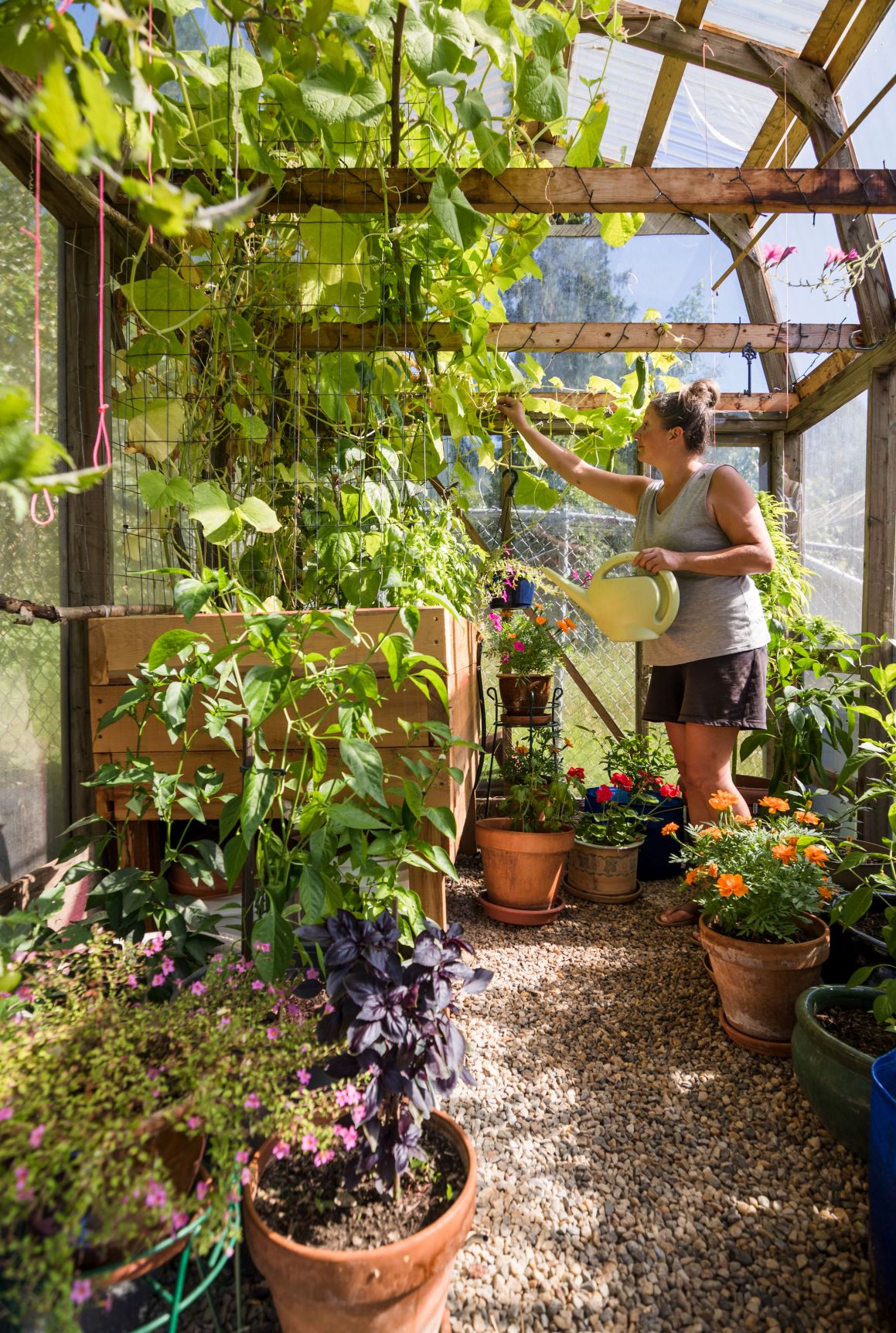
A local gardener tends to an array of plants. Photo: Sona Cermakova
For those without access to gardening space, the LFI also offered the use of two different Community Gardens. Compared to previous years, the level of interest in food production was noticeably increased, with members taking more time to plan and work on their allotted garden spaces in hopes of maximizing their harvests. Other grassroots efforts to support local growers through resource sharing took hold, including an immensely popular Facebook page dedicated to sharing ideas and knowledge, as well as a community organized bulk soil delivery from a wholesale supplier.
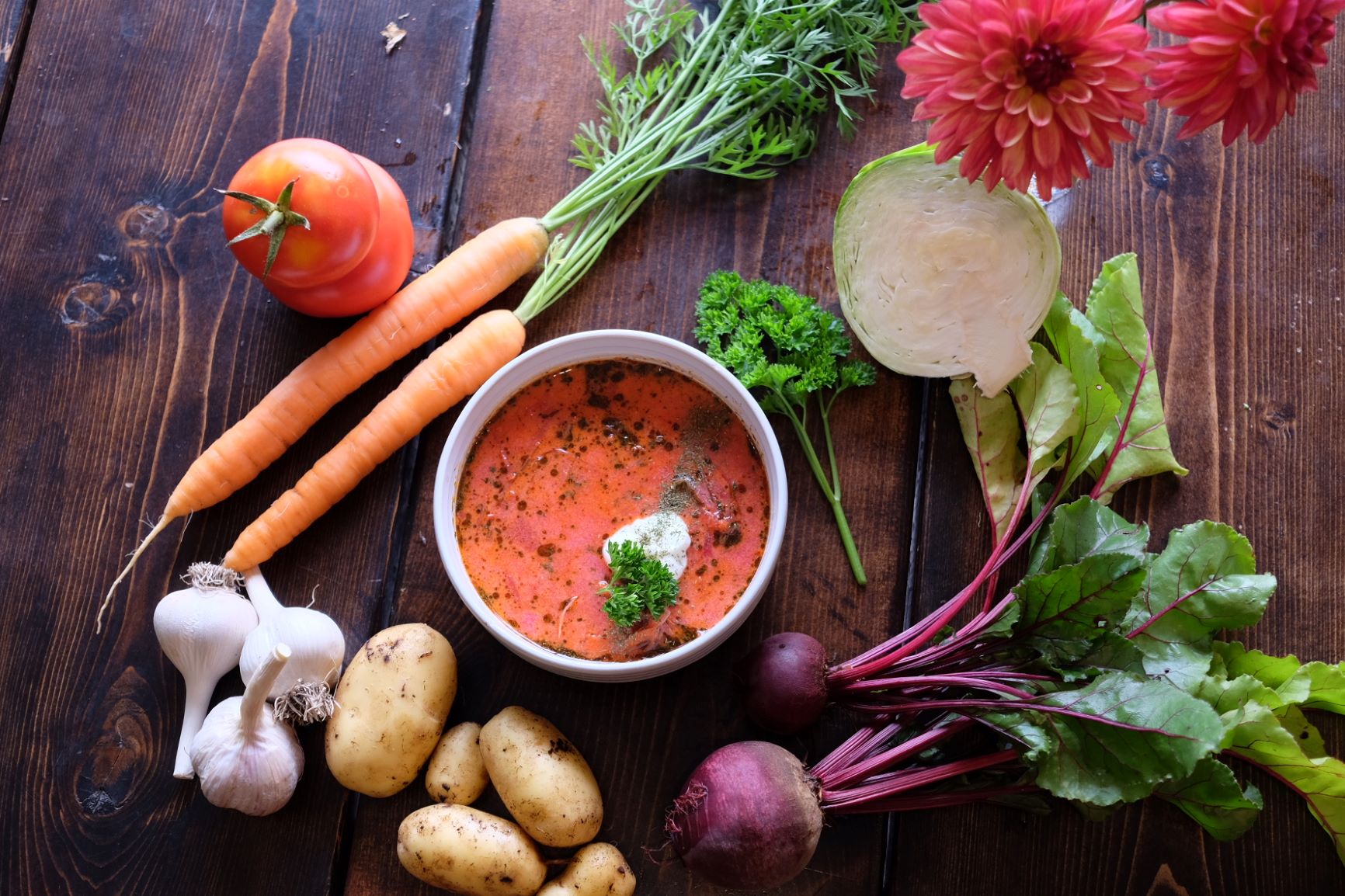
The LFI also continued to operate the popular Saturday Farmer’s Market, providing locals a chance to purchase food produced from within the Revelstoke area as well as nearby regions, while also supporting local small businesses. Each week brought about a new assortment of fruits and vegetables, rich in the flavours and textures that only freshly harvested crops can have. Because many of the market vendors are also directly responsible for growing their own crops, the level of care put into the production of the food is palatable in the quality and diversity of what is available. For curious eaters, the market also offers shoppers a way to try heirloom varieties of fruits and vegetables that can’t be found in the standard grocery store aisle. Not only do those foods taste better, but the timeline from harvest to sale contributes to a longer storage life, which in turn reduces potential food waste.
Local restaurant chefs were also keen to work with producers to showcase the best of local ingredients, further adding to the demand for such products. The benefits of sourcing from a reliable, consistent producer with almost no supply chain constraints were appreciated by chefs, as well as the ability to exchange ideas and work in tandem to give producers some direction on what to grow.
Even with the end of the growing season in town, access to locally produced foods continues well into the winter with the LFI Winter Market. The market is a chance for local producers to continue selling the hardier crops they keep in controlled storage throughout the winter months, such as root crops, cabbages, and squashes. Some vendors even continue using greenhouses to produce a small amount of greens. Other products available often include local preserves, fresh baking, farm eggs, and frozen meats.
Despite the challenges and uncertainty brought on by the pandemic, staying local proved to be full of delicious possibilities to experience new connections with the food we eat, whether they came from your garden, your friend’s garden, or from the garden of a local small business.
Thanks to Jesse Johnson-Hill and Chris Rubens of First Light Farms, Kelsey Gasparini and Kate Borucz from the Revelstoke Local Food Initiative, and Josh White from Terra Firma’s Kitchen for sharing their insight into Revelstoke’s local food scene with me.
What did you think of this story?
Your feedback after we publish a story helps ensure we're always improving our reporting to better serve you
Related Articles

Wastewater treatment plant upgrades set to future-proof facility for 2 decades
Plans to include Big Eddy residents and businesses into the updated facility still in the early stages, city director of engineering says.

Revelstoke granted $200,000 to rework development guidelines
Clarifying building requirements is key in speeding up development approvals, director of development services says.

More childcare spaces needed as families face estimated $35,000 income impact annually
Revelstoke Child Care Society still has over 160 families waitlisted as plans to expand into Okanagan College building take shape.