
Food Commons project strengthens Revelstoke food security
A partnership project between Indigenous Friendship Society of Revelstoke and Revelstoke Local Food Initiative will cultivate 2.5 acres of land.
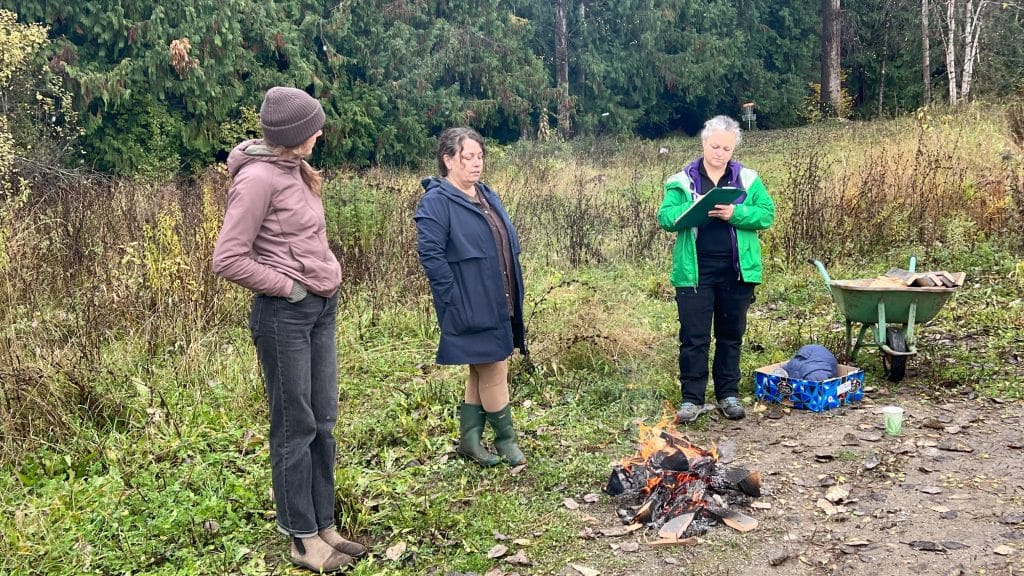
Revelstoke will be gaining a bit more food security thanks to the work of Indigenous Friendship Society of Revelstoke (IFSR) and Revelstoke Local Food Initiative’s (LFI) Revelstoke Food Commons project, an initiative that is turning a 2.5-acre piece of land on Powerhouse Road into a space for local food harvesting and Indigenous food systems.
The land was originally provided to LFI by the city, with the expectation of increasing food security in Revelstoke. Capacity restrictions kept projects from taking off right away until a grant for Indigenous food systems was put on IFSR’s radar and the two organizations partnered up for the Food Commons project.
“Neither organization had the capacity or all of the knowledge for a project like this,” Lisa Moore, Michif woman and IFSR chair told Revelstoke Mountaineer. Between LFI’s knowledge around land development bylaws and IFSR’s connections to Indigenous nations and teachers in the area, the project started to take shape.
The land has previously hosted Revelstoke’s demolition derby and snowmobile club, usage that has taken a toll. It will need extensive work to be farmable and to support local food systems. Events such as Thanksgiving Back Thursday have helped put volunteers in contact with IFSR to work on the land. It will be a longer term project, but one that isn’t scaring IFSR or LFI away.
“We can remediate over time. That itself is an act of reconciliation,” Moore said.
Other projects in the area have Moore keenly aware of what precious food sources could be lost if action isn’t taken. Recent developments for the Revelstoke Frisby Golf Club meant the removal of long-established Oregon grapes that Moore herself has harvested from for years.
The Frisby Golf Club reached out to IFSR to see initially what work they could do for the area and what to preserve, but capacity and timelines kept IFSR from being able to inform the development.
“It kind of hit me that we really missed an opportunity to work with those developers,” Moore said.
Now there is an opportunity to develop a food forest and community garden right in Revelstoke, strengthening food security in the region and reintroducing long-standing food systems. Plans are to start with raised beds so as to get people working in the area while the overall soil starts to repair.
Hardier crops will eventually be introduced to the soil to help in remediation, and there is the potential for greenhouse spaces to extend Revelstoke’s growing season. With future financial and community support, Moore wants to see storage rooms and a smokehouse also developed in the area along with a washing and prep station.
One particular goal is to create space and resources for local Indigenous communities to come and use the space for traditional harvesting and preparation. Another is to host education opportunities ranging from safe and respectful foraging to canning.
Revelstoke’s history of being cut off due to weather is on Moore’s mind while developing plans for the site.
“If we could store food, if we could increase that access and storage capabilities for all seasons, then it’s not as hard if and when the highway gets cut off.”
The project won’t be starting from scratch, even with years of soil disruption and city gravel trucks emptying loads in the area. There are hazelnut bushes already established and Birch trees that could flourish if tended to.
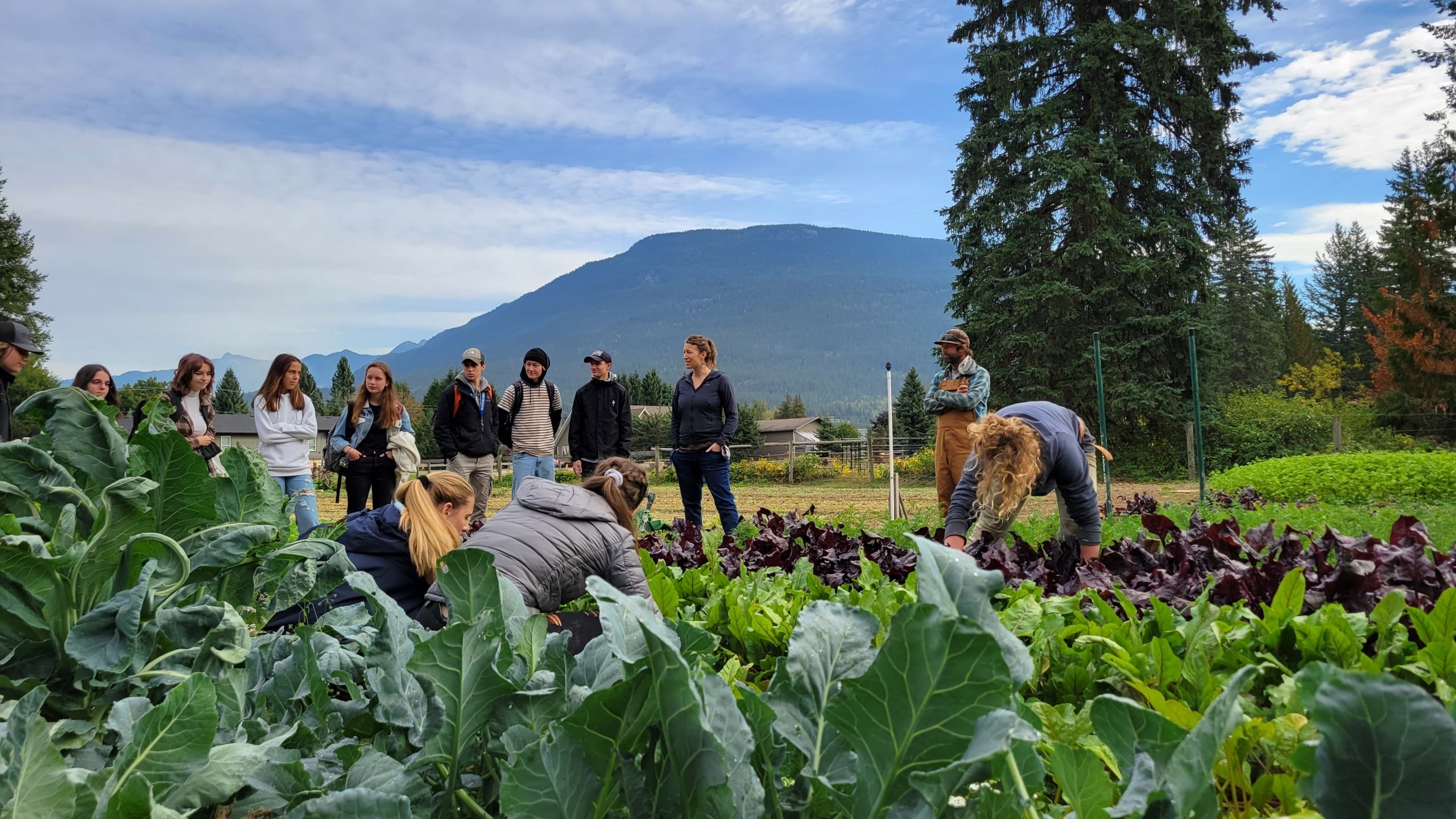
Moore is planning to bring in students from local schools to help cultivate the Food Commons area and learn about the various native species that have long been a food source.
Food Commons project members also plan to work with Columbia Shuswap Invasive Species Society to plan out how to safely deal with current invasive species in the area.
Indigenous representatives from the nations surrounding Revelstoke and Knowledge Keepers on local food systems will be included right from the start to help build out sustainable food systems.
The Food Commons project already has a range of community support behind it, including Adaptive Homes, Revelstoke Chamber of Commerce, First Light Farm and community gardeners such as Brittany Martin. A project this size is always eager for more support, whether through physical labour, donated time or financial support. Anyone connecting with the project helps with that initial goal.
“We’re trying to connect people with their food source,” Moore said. “If you recognize where your food is coming from and who you’re sharing that with, if we are mindful about the food that we’re collecting I think that would be a great thing to have here.”
What did you think of this story?
Your feedback after we publish a story helps ensure we're always improving our reporting to better serve you
Author

Related Articles

Revelstoke Mountain Resort provides updates on infrastructure upgrades and partnerships
Resort president Jason Kelder shared planned changes coming to the resort, which include a new warming hut.

Regional district board backs sale of Revelstoke airport
The City of Revelstoke is seeking to retake ownership of the airport, which was sold in 1980.
‘It impacts my whole life’: Residents share concerns with wastewater treatment plant stench
With wastewater treatment plant smells expected to last through the summer during construction, residents want the health impact acknowledged.