
Earthwright Shelter Company primed to provide extra housing in Revelstoke
Creating modular housing and shelters, Earthwright Shelter Company may be part of the density solution.

Providing shelter for those who aren’t looking for an expansive house, but just someplace to call home has been Blake Richards’ goal since he was living on Salt Spring Island.
“Even out there, there are all these old buildings on that island, and I’m wondering what comes next?” Richards told the Revelstoke Mountaineer. “I was trying to figure out how to make more homes for people.”
Richards is the founder of Earthwright Shelter Company, a Revelstoke-based company using modular building practices to create buildings that can be an extra office space or even a housing option. Modular builds rely on prefabricated components and core model plans to speed along building time and cut on production costs.
“What we’re trying to aim to do is give people some safety and security and have it be beautiful,” Richards said.
While the last few years has seen Earthwright Shelter Company make a name for themselves with accessory buildings and detached office spaces, custom jobs have included modular housing in and around Revelstoke. With a website relaunch and construction practices streamlined, Richards is ready to make housing a main focus for the company.
Building a modular shelter
In their Revelstoke warehouse, multiple projects move through in an assembly line style. One building waits for windows to be installed, one buzzes with activity as electric wiring and fixtures are wrapped up, one is being primed for painting and drywall touch-ups. Two massive doors on either side of the warehouse allow access in and out.
“We can start them on one end, roll them along and then when they’re done we load them on the truck and out the other door they go,” Richards explained.
Building a home within a sheltered area is a stress reliever for all parties. Working conditions remain fairly consistent when sheltered from the elements. Additionally, tools, supplies and resources remain at one location most of the time and don’t need to be transported to each site or duplicated for multiple projects.
“It’s one less cost I need to work into those final prices for my clients,” Richards said. “One more way we can make it cheaper.”
Having a centralized building site also keeps his client’s property clear.
“We have barely any impact on the site, except for the bit of time where they’re putting the foundation in and putting in the building.”
This controlled process allows for fewer variables to affect the final price, giving Richards confidence that he can provide customers with a price that won’t involve sticker shock down the road.
“I couldn’t sleep at night handing somebody a bill that was $200,000 more than they expected,” Richards said.
Shifting provincial strategies
Currently all units built by Earthwright Shelter Company are CSA certified, falling under the A277 classification for modular builds. Unlike the standard tiny home on wheels or RV trailers, Earthwright Shelters’ need for a foundation on the property gives the chance for the asset to appreciate in value, and for lenders to feel more comfortable providing loans and financing.
Earthwright’s home builds can be placed in trailer parks, but they have the added advantage of not needing to stay there, allowing owners flexibility in case location circumstances change and units need to be moved.
“This can then go in one of those higher density zoned areas, where a trailer home has to stay in trailer parks.”
Provincial and federal moves to increase zone density in an effort to combat the housing crisis is one more area Richards sees Earthwright Homes stepping in. B.C.’s Bill 44 call for secondary units to be zoned for on all future property developments is a change Richards is eager to jump at.
“90 per cent of what we build for a customer, what I see us continuing to build for, goes right back into the Revelstoke community. That’s a huge difference, It’s a big deal.”
Whether it’s providing laneway housing, carriage housing or secondary suites on property, Richards sees modular housing as an accessible option.
“Not everyone wants to invest in multiple properties across the city. Let them keep that investment close and provide housing for folks.”
The costs of efficiency
Even when the build is done, Richards is thinking about the long term costs for those calling an Earthwright Shelters project home. Part of that comes down to the cost of heating and cooling a unit, and it’s progress that Richards is excited about.
“Smaller sizes are easier to climatize, thus cheaper,” Richards explained. “You’re not using massive amounts of energy to cool and heat four bedrooms and a basement and an attic.”
Triple pane windows provide protection from Revelstoke’s winters and summers while also allowing in natural light to cut down on lighting costs. LED light fixtures are standard for added efficiency. R28 insulation ratings in the floors and ceilings and R22 insulation ratings in walls are paired with airtight vapour barriers, providing better insulation and temperature control within the unit for all seasons. In-floor heating takes advantage of heat rising into the unit while also saving on floor and wall space. Lunos HRV ventilation systems are standard in each unit, providing air circulation and reducing humidity.
Currently, Earthwright Shelter Company is required to build to Step 3 of B.C.’s Energy Step Code. But Richards says he’s working on balancing between meeting future Step 4 requirements while also keeping costs affordable.
“The standard that we’re building to now is better than over 90 per cent of the current housing stock in the market,” Richards said. “I can be happy with that for the moment.”
It’s not easy to build housing that walks the lines of affordable, accessible, low impact and quick to build, Richards admitted. There are times, he said, where the possible next three years of construction costs and housing needs keeps him up at night. Still, the passion for providing shelters is what brings him back each day.
“We love what we do,” Richards said, referring to the entire Earthwright Shelter Company team. “We’re making homes and we just have to fight that battle.”
What did you think of this story?
Your feedback after we publish a story helps ensure we're always improving our reporting to better serve you
Author
Related Articles
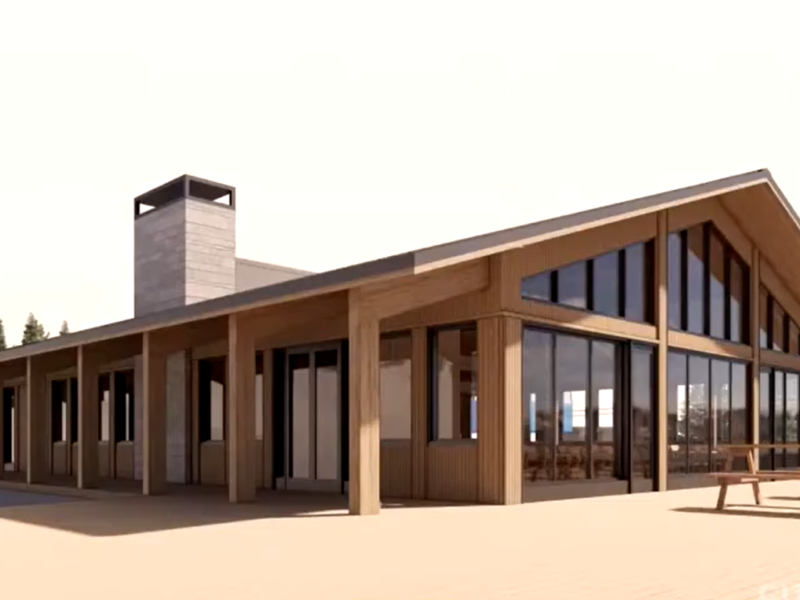
Revelstoke Mountain Resort provides updates on infrastructure upgrades and partnerships
Resort president Jason Kelder shared planned changes coming to the resort, which include a new warming hut.

Regional district board backs sale of Revelstoke airport
The City of Revelstoke is seeking to retake ownership of the airport, which was sold in 1980.
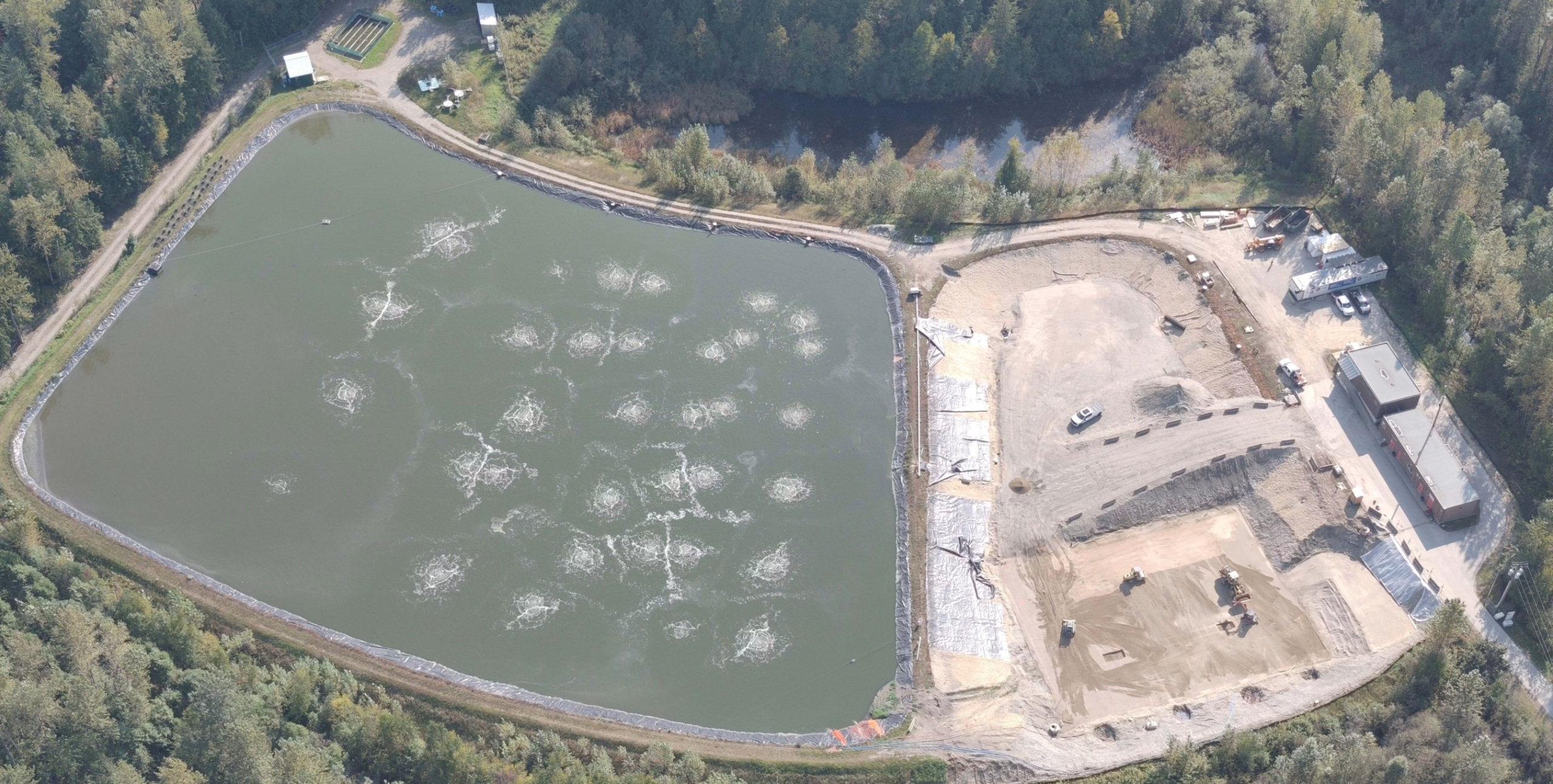
‘It impacts my whole life’: Residents share concerns with wastewater treatment plant stench
With wastewater treatment plant smells expected to last through the summer during construction, residents want the health impact acknowledged.