
Drum workshop creates community
The Aboriginal Friendship Society of Revelstoke held a drum making workshop over the weekend. The workshop was led by elders Ganishka Soulwaker and Cliff Woffenden. Mountaineer reporter Melissa Jameson took part in the workshop and wrote about her experience.
Ganishka Silverfox Dann Soulwaker is sitting quietly while she waits for the conversation to die down. She silently picks up a drum and holds it up.
It’s the second day of the drum making workshop, hosted by the Aboriginal Friendship Society of Revelstoke, and led by elders Soulwaker and Cliff Woffenden. The workshop is nearly three days long, and by the start of the second day a sense of community has formed.
Soulwaker has our attention now, and we listen as she explains the need to respect the life given to make our drums. She takes time to explain that we must never lay our drum upside down, and that if we hang it, it should be on an inside wall.
“We do this to respect the animal that gave up its life to make the drum, and to respect the wood we took from the tree to make the drum,” Soulwaker says.

Ganishka Soulwaker cuts strips out of the beaver coat that was donated for the drum workshop. Photo: Melissa Jameson
I have had to miss the first part of the workshop, but two other participants were kind enough to prepare the hide for my drum. I find out later that all of the parts of the drum, as well as the participants, took part in a smudging ceremony.
“We smudge because it’s a way of showing our respect in a way that we’ve given something back in return. Smudging is very important. A lot of people don’t understand the art of smudging, because we’re using sacred plants such as tobacco, sweet grass, cedar, sage. We work according to the medicine wheel,” Soulwaker tells me later.
My fingers are raw and sore from threading the sinew chord through the drum over and over to attach the hide to the wooden frame.
Despite my fingers getting raw, I’m immersed in conversation. It seems everyone is. With all the talking it might seem as though it would take all day to attach the hide to the wooden frame. We are finished by lunchtime. There is still more to be done, but we decide to finish for the day.
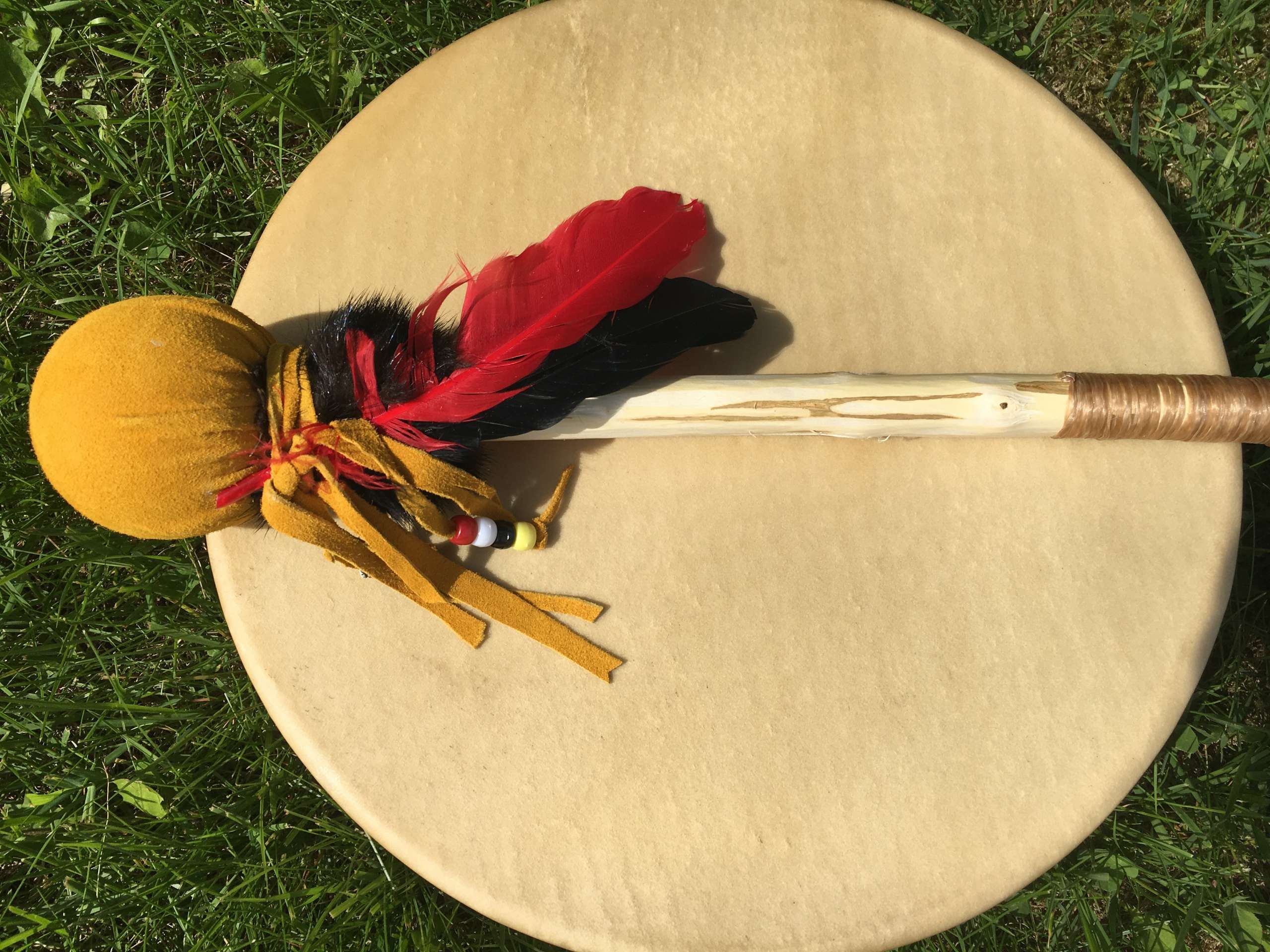
We are tasked with making our drum sticks on the third and final day. These are made from wooden sticks attached to a rubber ball, which are then covered in leather and wrapped with beaver fur. The fur comes from a coat which has been donated.
The sense of collectivism that has been created is apparent now. I have forgotten to bring a knife to carve a point in to my stick so that it can be attached to the rubber ball. Without question, someone offers me their knife. Then, the one of the few youths at the workshop offers to make the point on my stick for me. He is quick, and has my point made in less than five minutes.
I’m trying to figure out how to attach the rubber ball (I am allergic to latex), when yet another person offers to cover the rubber ball in leather for me. Once the ball is covered, I’m safe to handle it again.
When I speak with Soulwaker and Woffenden after the workshop has finished, both speak about a need for connecting to Aboriginal culture.
“There is a need in your community to bring aboriginal concepts,” says Soulwaker.
Woffenden agrees, saying that with the introduction of technology it has been difficult to get people to come together.
“People are so separate, so isolated in their own heads. That face to face communication is lacking.”
Funding for the drum workshop was provided by Columbia Basin Trust.
What did you think of this story?
Your feedback after we publish a story helps ensure we're always improving our reporting to better serve you
Related Articles
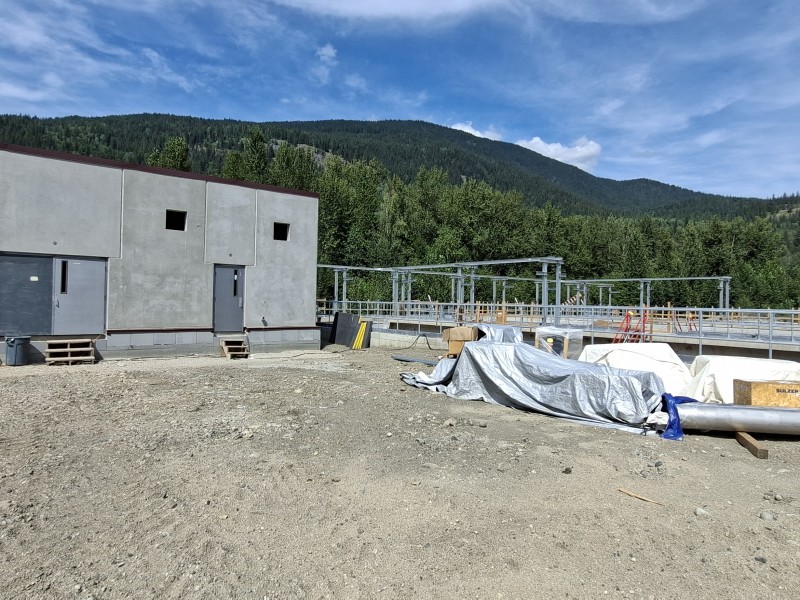
Wastewater treatment plant upgrades set to future-proof facility for 2 decades
Plans to include Big Eddy residents and businesses into the updated facility still in the early stages, city director of engineering says.
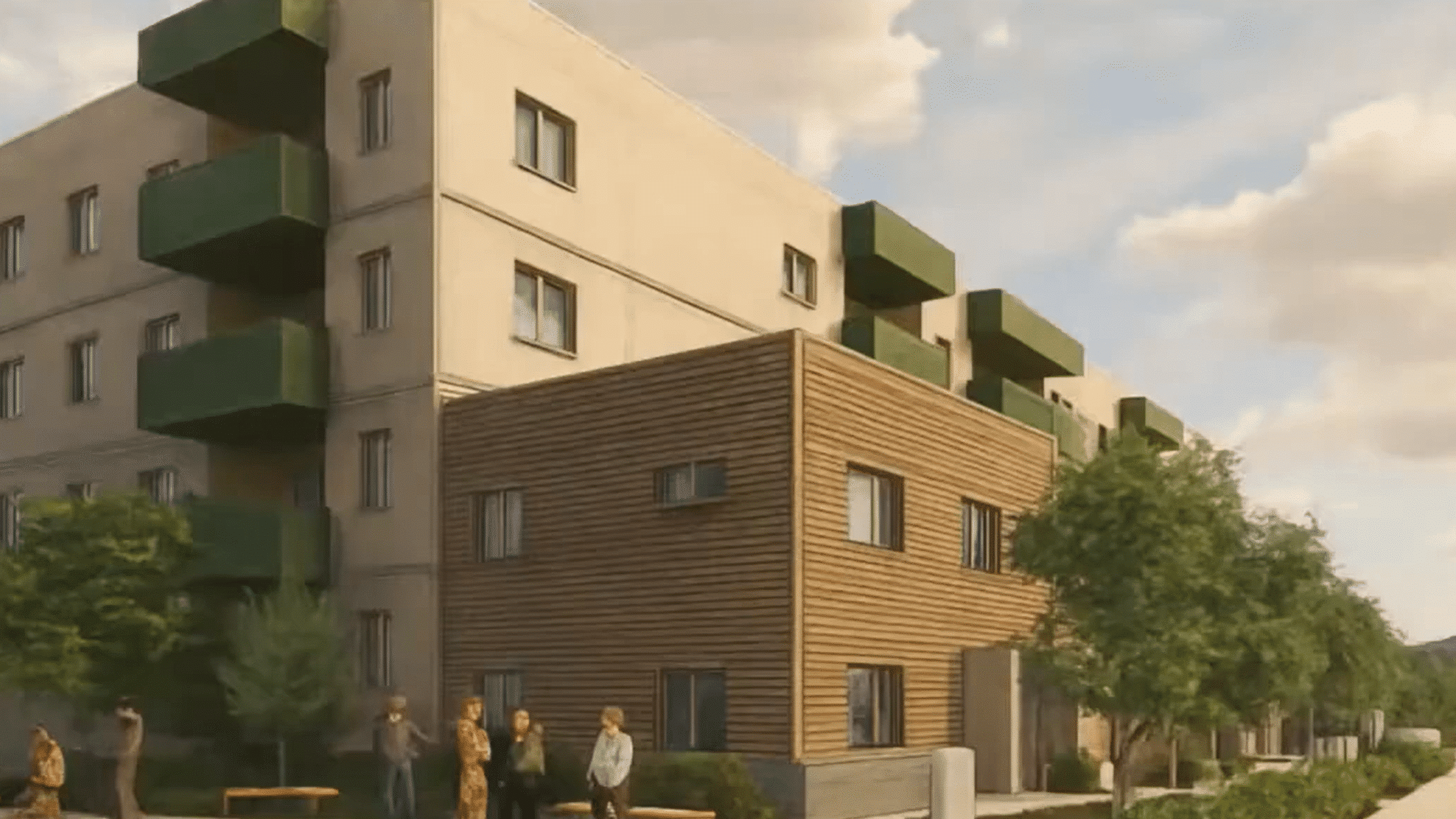
Revelstoke granted $200,000 to rework development guidelines
Clarifying building requirements is key in speeding up development approvals, director of development services says.
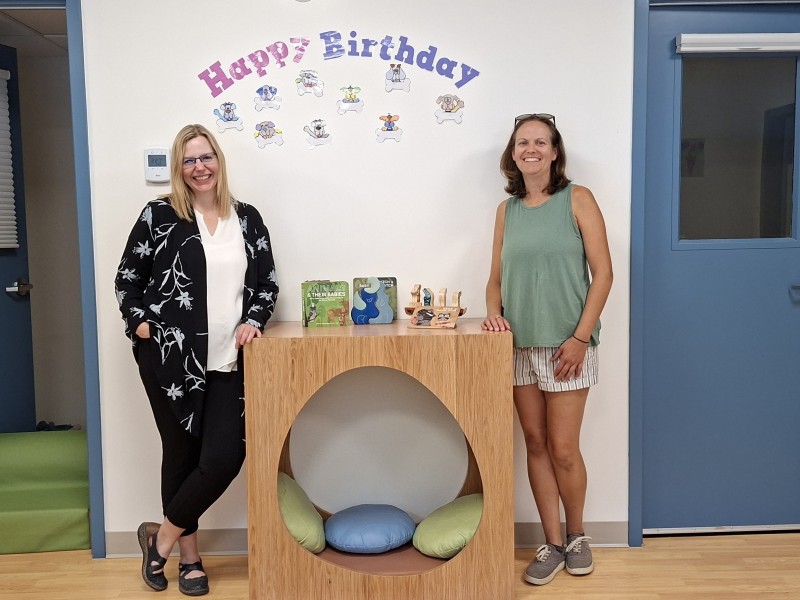
More childcare spaces needed as families face estimated $35,000 income impact annually
Revelstoke Child Care Society still has over 160 families waitlisted as plans to expand into Okanagan College building take shape.