
Council defers McCarty House project
The Copeland is proposing an attached hotel and restaurant. Council struggled to find the best course of action at a Nov. 26 council meeting.
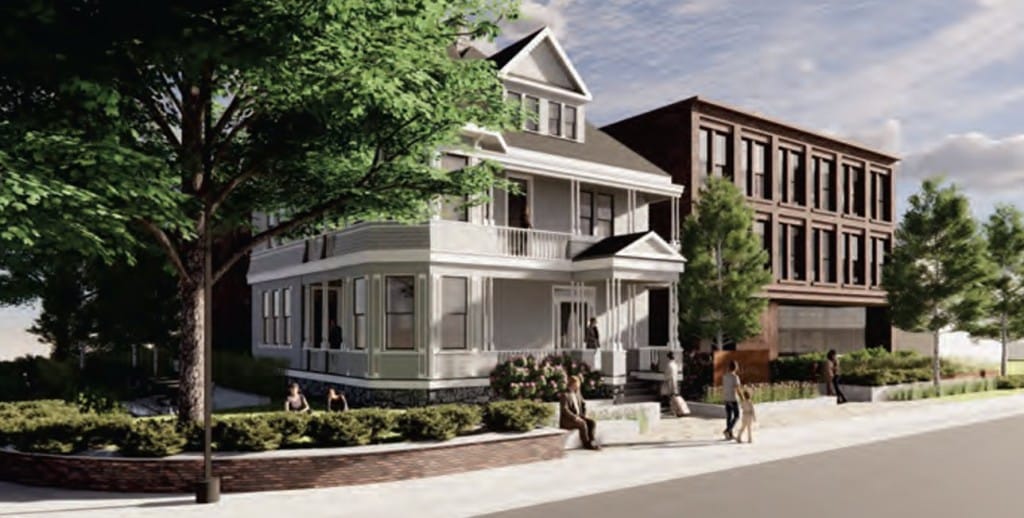
A plan to rehabilitate the home of Revelstoke’s first mayor and then build an attached hotel and restaurant brought in community concerns around Revelstoke Heritage Conservation Area guidelines and future developments in Revelstoke’s downtown not meeting historical preservation standards.
Historically known as the McCarty House and currently operating as The Copeland bed and breakfast, the house is a prominent historical building at the edge of Revelstoke’s downtown, included in the Heritage Conservation Area. The applicant is requesting a Heritage Alteration Permit to help with the overall restoration of the McCarty House and then a development permit to build a three-storey, 23-room boutique hotel and ground floor restaurant with an outdoor patio as an addition to The Copeland business.
Staff have worked with the application to ease the potential impact of the added hotel and restaurant. Changes include setting the hotel farther back on the property to keep the McCarthy House as the focal point, facing the restaurant patio towards Mackenzie to help with foot traffic and access to the front patio spaces in Revelstoke’s downtown and reducing the size of the restaurant so fewer parking spaces are needed. Matured trees are also proposed to be added to the landscape around the added hotel building.
Staff noted in their report that the McCarty is in need of large restoration projects to keep the building maintained and to help highlight its historical elements. Restoration of the McCarty House would include a new roof for the turret, fire-resistant cedar shake roofing, new trim that would reflect the Queen Alice style, a new upper balcony and major maintenance done to the current brick chimney along with other restoration elements.
The hotel proposal only includes seven parking spots at the rear of the property with six additional parking spaces supplied by the Catholic Church of St. Francis of Assisi in an agreement between the church and The Copeland.
With community complaints largely focused on the hotel addition not meeting heritage characteristics in the area, acting mayor Austin Luciow noted that the current heritage restoration guidelines don’t have anything for commercial buildings. The Revelstoke Heritage Commission, when reviewing the application before sending it to council, noted that all Heritage Conservation Area guidelines currently only cover single-family residential buildings, making the Copeland development the first.
Paul Simon, director of development services, addressed the options related to the bulk of concerns from the community about the development. Council could direct staff to continue working with the applicant to keep adjusting the addition to meet heritage character but council could not block the building of the addition entirely, Simon explained, with the area being zoned commercial along with the heritage zoning.
“This has always been permitted since 1982,” Simon said, explaining that if those concerns persisted then staff would need to review all commercial zoning within the Heritage Conservation Area. “You can’t pin it to one individual application. It has to be a broader land use conversation.”
Revelstoke’s heritage conservation guidelines and others found federally fall short in addressing whether commercial items in heritage areas should build to match historical commercial buildings of the region — plans that would greatly increase the size of the Copeland addition to the point of overcrowding the McCarty House — or instead focus on adopting heritage elements alongside modern architecture. It’s an issue that staff plan to address in a 2026 update to the Heritage Conservation Area guidelines.
“We need to sort out what’s going to happen on MacKenzie Avenue and how this community wants to see MacKenzie Avenue developed,” Simon said.
Council continued to struggle with how to address the community concerns with the project, with rewritten agenda points discussed. Council members continued to voice concern that they were going to a vote with too many questions still unanswered about what actions could be taken.
Acting mayor Luciow made the motion that the decision be deferred until further discussion and information in a committee of the whole meeting. The application will then return to council at a future date with further comments from the committee of the whole Dec. 12 meeting. The motion passed unanimously.
What did you think of this story?
Your feedback after we publish a story helps ensure we're always improving our reporting to better serve you
Author

Related Articles

Birch and Lace salon offers apprenticeship-style academy for future hair stylists
The skills program aims to keep residents in town and learning in-house as salon founder focuses on accessible education opportunities.
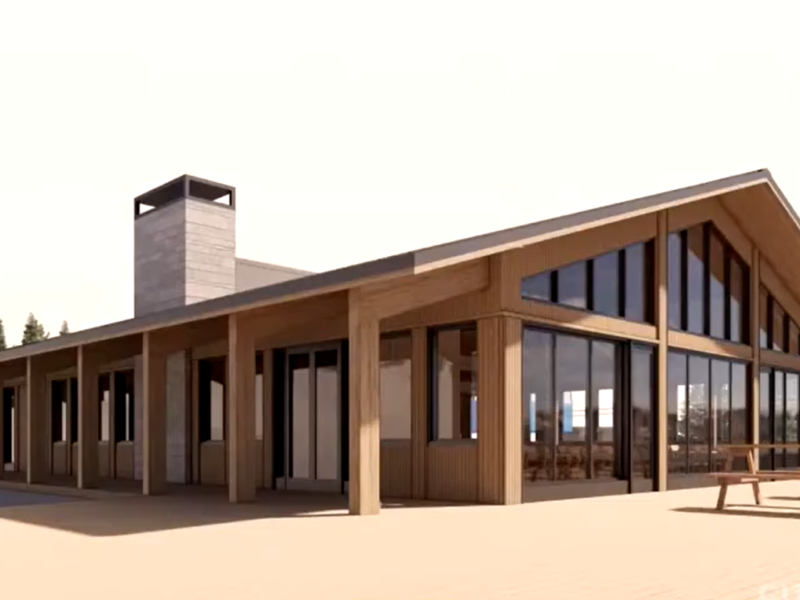
Revelstoke Mountain Resort provides updates on infrastructure upgrades and partnerships
Resort president Jason Kelder shared planned changes coming to the resort, which include a new warming hut.
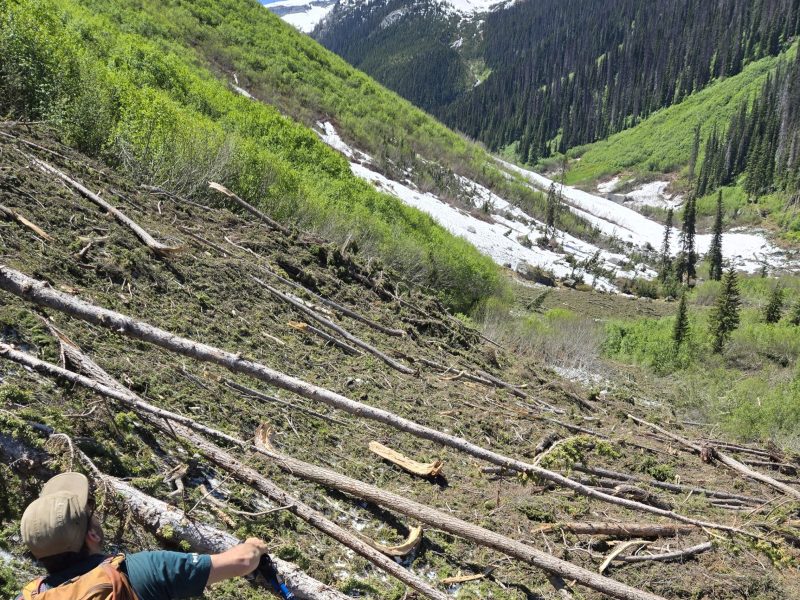
Glacier National Park trails remain closed following heavy avalanche season
Balu Pass trail, along with two others are closed indefinitely as Parks Canada staff evaluate how much of the popular trails will need to be rebuilt.