
Changing bylaws could provide accessible housing options in Revelstoke
How can laneway housing and other auxiliary units provide physically accessible housing?
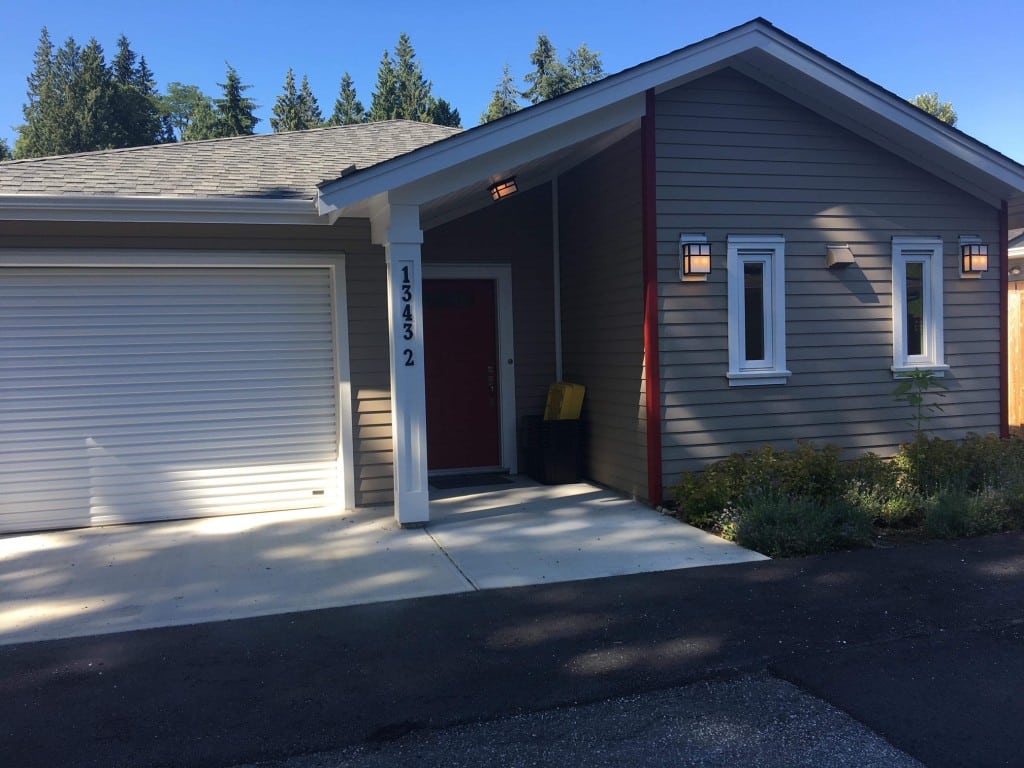
Disabled and neurodivergent adults who require day-to-day support often struggle to find housing that is accessible and affordable. An increase in laneway housing and ease of development could provide more accessible housing for these groups according to Ben Postmus, the family navigator for Diverse Family Roots Society (DFRS) told Revelstoke Mountaineer.
“Keeping [disabled and neurodivergent adults] close to family, keeping supports close while also providing a space of independence is really achievable with this model,” Postmus explained.
Because disabled and neurodivergent youth age out of various resources and supports around age 18, families and caregivers often struggle to create new supports while prioritizing independence.
Postmus himself is a father to a daughter with what he calls diverse abilities. She requires additional support, but when looking into various housing and support solutions in B.C., Postmus said there were none that fit his family needs. That was the catalyst for launching DFRS as a way to connect families with other housing solutions that might not be readily known.
“A lot of families feel like these are their only options, group home styles or the child remaining at home, and those are options that maybe don’t work for them, or they’re not comfortable putting their kid in.”
Group homes might not be affordable or accessible for all families Postmus said, explaining that families in rural areas are sometimes forced to move their child to a new city to access group home living, breaking community support and connections that the child grew up with.
Additionally, strategies such as home sharing, which connects families with an in-home rental space that allows supports to come and go, communal meal times and other supports, are not ideal strategies for the long term.
“Just like any rent, there’s no guarantee it’s long term. Families tell me about their kid getting an eviction notice the same as anyone else would get, except it’s more than just housing that’s lost.”
Contract aid work, meal deliveries and other resources that come to a house can be lost indefinitely and can be hard to get back. Oftentimes resources rely on a stable address to locate individuals and are in high demand. A pause in services while new housing is found could result in spots being filled by waitlists for those services.
“Some stories, losing that home sharing may mean their child slipping through a lot of cracks.”
Laneway and auxiliary housing options on family property can provide the housing security rental properties can’t, allowing for longer term strategies and plans to be made.
“I think anyone can tell you once you get rid of the threat of losing a rental, it opens up so much more mental space.”
Independence as a housing need
Laneway housing as accessible housing for disabled and neurodivergent adults can also be a key step towards independence, Postmus said. Keeping residents on a family property while giving them their own kitchen, living space and home to care for and decorate builds the skills for longer term housing strategies.
“They have their space. They’re still close to family, there can still be that support and checking in. But they have that independence which is so important for feeling like you’re growing up and maturing.”
However, families might not be aware of how to access other housing options, Postmus explained. As legislation rolls out for more auxiliary dwellings, DFRS is working to provide information for families about how to apply for zoning, building permits and other steps needed to add laneway housing and other units to their properties. It’s one of many strategies that could alleviate nuanced cases in the province’s housing crisis.
“That type of gentle densification on a traditional single family law becomes so crucial to supporting multi-generational families staying together,” city planner Paul Simon told the Mountaineer.
Laneway and auxiliary housing can also provide accessible housing for those growing into disability as they age, Simon explained. Creating auxiliary housing options could provide a solution for a collection of housing struggles for aging residents.
“There are people in town who are overhoused,” Simon noted. Residents able to age in place might struggle to maintain large plots of land and multi-bedroom homes with stairs, facilities and layouts that start to impede access. “Let’s provide them the resources and options to still live on their property, in the neighborhood they love and have connections in, and give them the chance to live in an easier home to care for while their kids or grandkids move into that bigger house.”
Laneway housing, like group homes and home sharing, might not be the best strategy for some families, Postmus acknowledged. Still, any strategy and piece of information could help families find or develop their own solutions.
“They can pick nuggets out of these conversations and bring them back to their own community and say, ‘hey, look at what they’re doing in that community. Let’s try something like that here’.”
DFRS housing series, Family Housing That Fits is hosted Thursdays, 6:30 p.m. via zoom. Registry is through [email protected]. DFRS also hosts Dads Matter, a Sunday 6:30 p.m. Zoom support meeting for fathers of disabled and neurodivergent kids. Registry is through [email protected].
What did you think of this story?
Your feedback after we publish a story helps ensure we're always improving our reporting to better serve you
Author

Related Articles
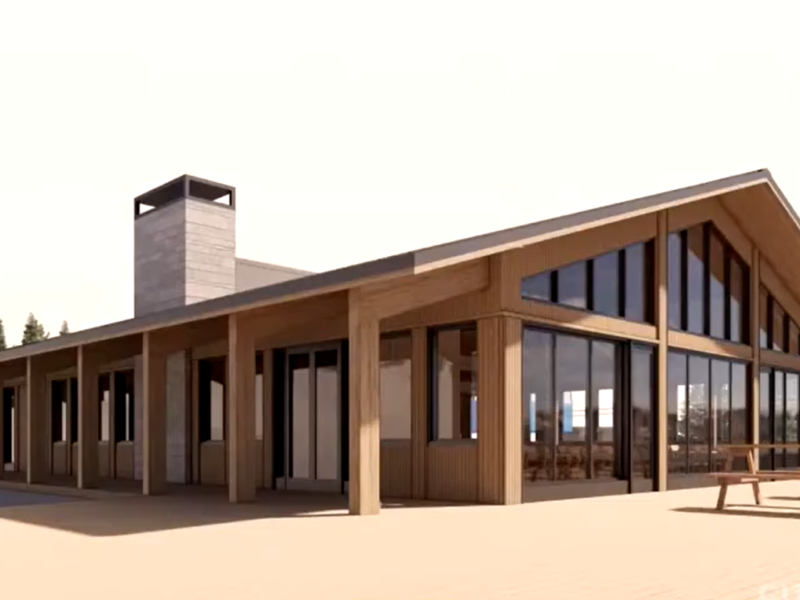
Revelstoke Mountain Resort provides updates on infrastructure upgrades and partnerships
Resort president Jason Kelder shared planned changes coming to the resort, which include a new warming hut.

Regional district board backs sale of Revelstoke airport
The City of Revelstoke is seeking to retake ownership of the airport, which was sold in 1980.
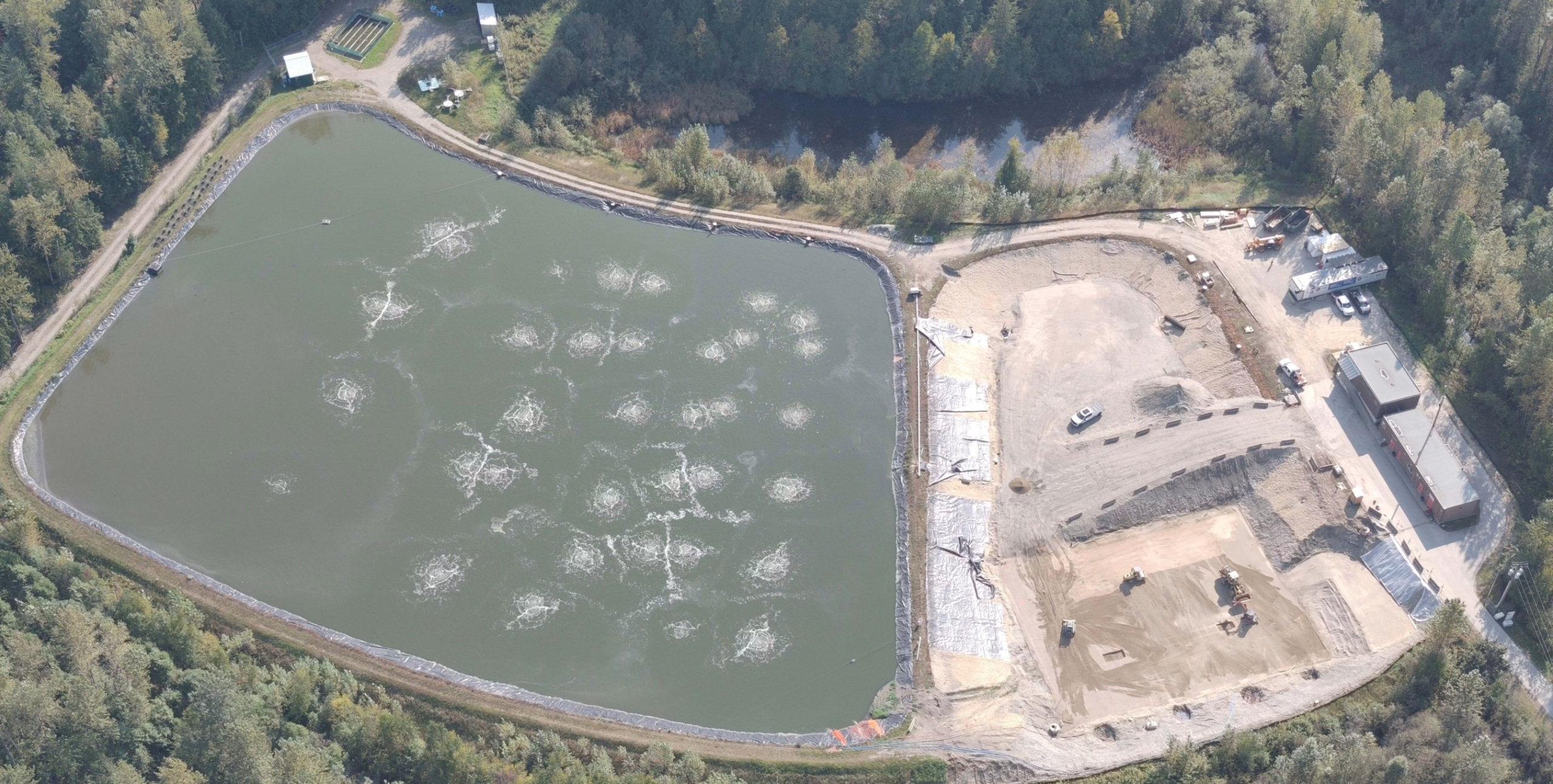
‘It impacts my whole life’: Residents share concerns with wastewater treatment plant stench
With wastewater treatment plant smells expected to last through the summer during construction, residents want the health impact acknowledged.