
Caribou maternity pen project into third season

In late March, a team of veterinarians and wildlife experts part of Revelstoke’s Caribou Rearing in the Wild (RCRW) project captured 12 female adult caribou, 10 of which were confirmed pregnant.
They were placed in a specially built pen to be looked after while their calves are born. In late July this year, when the calves have grown and are stronger, the adults and young will be released back into the wild.
“This is an ambitious, community-based initiative aimed at increasing survival rates of newborn mountain caribou,” executive director Kelsey Furk said. “We are proud to be in our third season and grateful for all the many dedicated volunteers and supporters we have had over the past three years.”
After caribou cows and calves are released from the pen, they are monitored using satellite-linked collars to track their survival until March, when calves are 10 months old.
In 2015, the second year of the project, RCRW met their target of doubling pen-born calf survival to 10 months of age over wild-born calves.
In the wild only 20-25 per cent of calves are expected to live to 10 months of age. Eight of 15 calves born in the pen in 2015 are still alive. Our goal is to increase calf survival, and contribute to the recovery of mountain caribou.
The maternal pen is within the animals’ natural habitat in the North Columbia Mountains, north of Revelstoke. In fall 2015, volunteers and staff expanded the pen from six to nine hectares.
Quick Facts
- Revelstoke Caribou Rearing in the Wild (RCRW) is a community-based partnership, consisting of a cross representation of individuals and organizations committed to the recovery of mountain caribou in the Revelstoke area. RCRW’s goal and sole focus is to fundraise, plan and conduct a maternity penning project, to increase caribou calf survival in the North Columbia Mountains over a five-year period.
- This is the RCRW’s third project year.
- The Columbia North herd (north of Revelstoke) had approximately 210 caribou in 1994 and approximately 150 in 2013.
- Pregnancy rates for mountain caribou are consistently high, however calf survival rates are low. Increasing calf survival rates is considered key in the conservation and recovery of mountain caribou.
- The Revelstoke Caribou Rearing in the Wild Society (RCRW) is a community-based partnership that includes: Revelstoke Community Forestry Corporation, North Columbia Environmental Society, Splatsin First Nation, Mica Heliskiing, Province of B.C., Parks Canada, Columbia Mountains Caribou Research Project
- Major RCRW supporters include the Government of Canada, Columbia Basin Trust, Fish and Wildlife Compensation Program, Province of BC, Revelstoke Community Forestry Corporation, Parks Canada, Shell Canada, Golder and Associates Ltd., Downie Timber and Selkirk Tangiers Heliskiing. A broader list of project funders is located at rcrw.ca/contributors
What did you think of this story?
Your feedback after we publish a story helps ensure we're always improving our reporting to better serve you
Related Articles
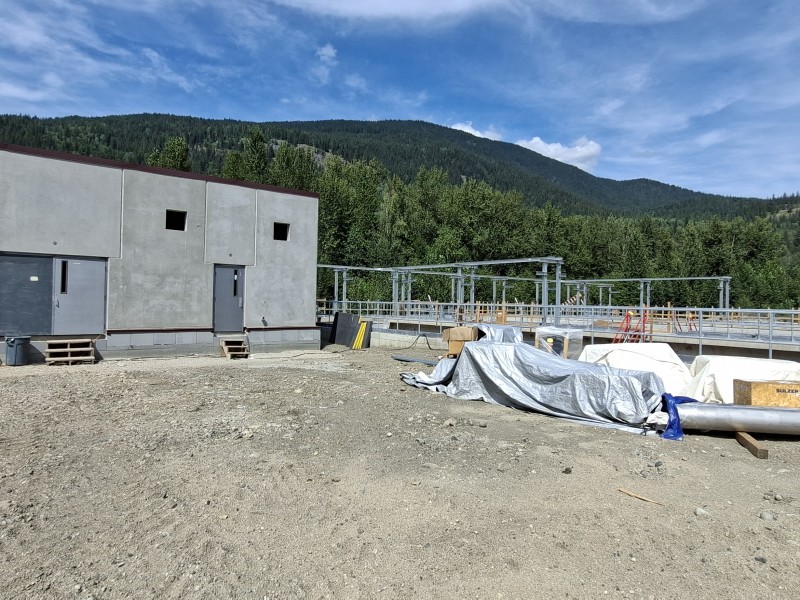
Wastewater treatment plant upgrades set to future-proof facility for 2 decades
Plans to include Big Eddy residents and businesses into the updated facility still in the early stages, city director of engineering says.
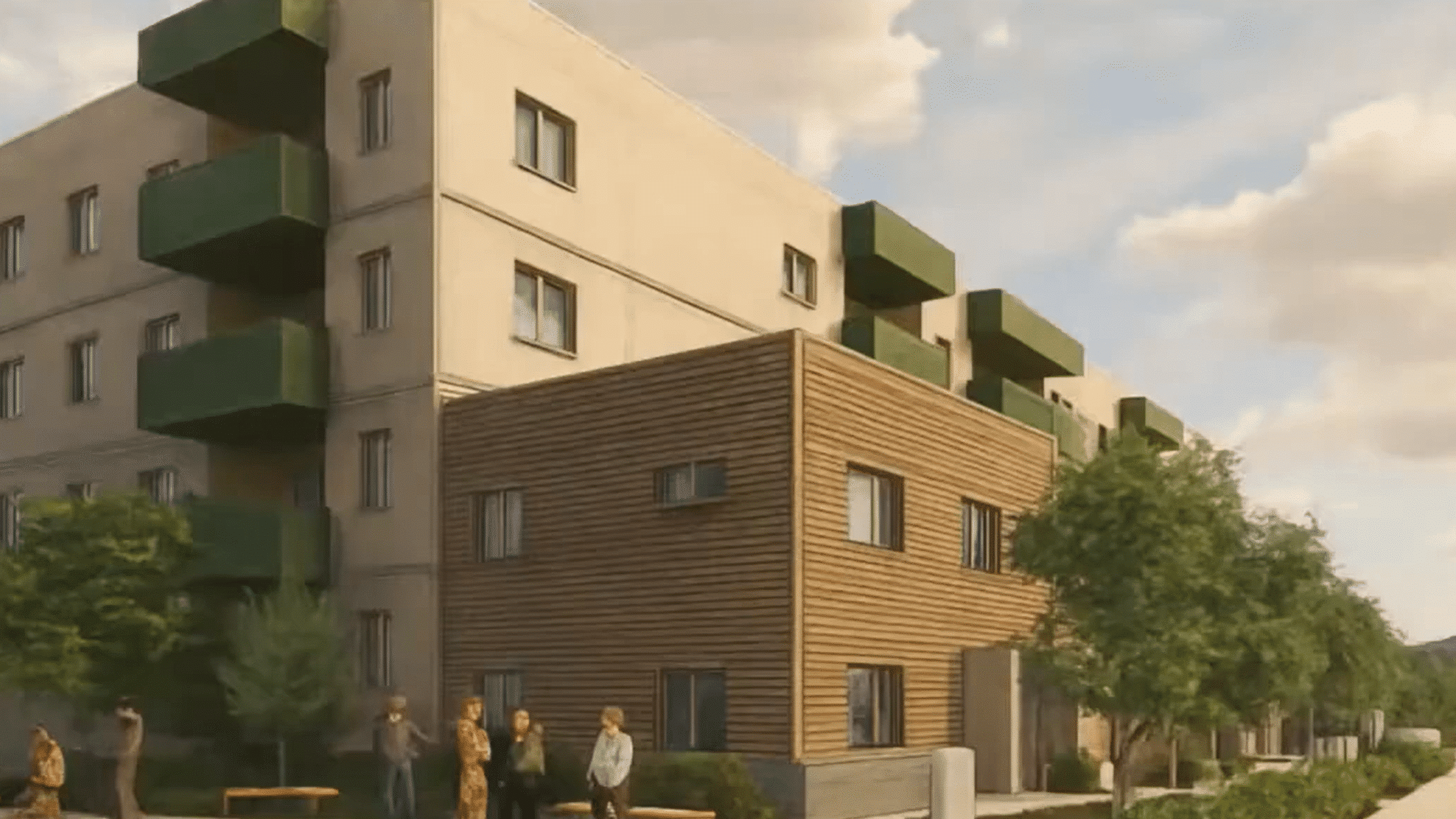
Revelstoke granted $200,000 to rework development guidelines
Clarifying building requirements is key in speeding up development approvals, director of development services says.
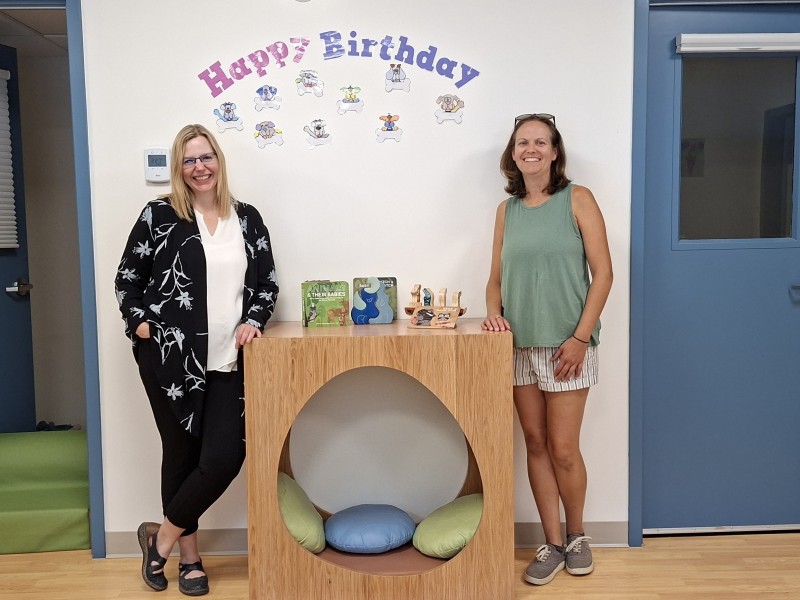
More childcare spaces needed as families face estimated $35,000 income impact annually
Revelstoke Child Care Society still has over 160 families waitlisted as plans to expand into Okanagan College building take shape.