
Can food be our salvation?
In a world where so much is beyond our control, food is something we can influence through our actions.

By Melissa Hemphill, Food Security Coordinator at Community Connections
This article first appeared in print in the January 2019 issue of Revelstoke Mountaineer Magazine. It was part of our January Green Issue supplement, which featured stories with an environmental focus.
When I think about the world around me, the state that it’s in and the future that is predicted, I feel downright sad. What world will my kids inherit? And why aren’t we doing more to paint a brighter picture for future generations? Why are we so short-sighted and driven by the dollar? How can this change?
This line of thinking always brings me back to food. When you look at all of the systems that must change in the world in order to turn the tide on climate change, food feels like the one that I personally can have the most impact on. Nutritious, quality food will always be something that we need — multiple times a day.
But our food system is broken. Industrial farming with monocultures, pesticides, GMOs, and CAFOs will not feed our growing population or heal our earth. A new approach to agriculture is needed and every one of us has a part to play in that change, at least as consumers. Where each of us spends our money, on which products, and how we deal with our waste products, is a statement for the change that we want to see in the world. If you keep buying it, they will keep producing it — no matter the environmental cost.
There is one very important choice that you can make — to become a locavore. A locavore is someone who eats mostly locally grown foods. Your definition of local may be different from mine, but even having a definition is a step in the right direction. Sourcing your staple foods from as close to home as possible has multiple positive impacts. Gardening preserves food-growing knowledge and connection to the earth. Shopping directly from local farmers creates irreplaceable relationships that directly feed the local economy and your body. While we may need to import some items during the winter to maintain optimal nutrition, we can do so responsibly by not wasting any of that food and purchasing from trusted brands that use sustainable practices.
Grocery shopping for me has become an ethical minefield. It is super challenging to balance a family food budget with environmental impact of the product’s production methods (e.g., palm oil), place of origin (apples from New Zealand), seasonality (fresh raspberries in February), sustainability of the crop (fish), and social impacts (fair wages, safe working conditions). The more that I learn about the food system, the more difficult it is to always make the right choice.
Yet, what bolsters me in my quest for positive impact through my participation in the food system is knowing that more and more people are getting it. We are hearing the stats on food waste and realizing that those stats are about us and our dirty habits: snobby conceptions of what food should look like, shunning leftovers, creating meals based on what we want, not what is available in season. We are learning that eating less meat can have huge cumulative environmental impacts. We are learning that farmed fish is destroying aquatic ecosystems. We know that ugly vegetables taste the same as beautiful ones. We are seeing the error of our ways and we are trying to change. Composting programs are in huge demand, the Local Food Initiative’s programs are packed, the number of urban farms is growing, and the food recovery program has rescued over 250,000 pounds of food from the landfill.
The local food movement is on fire in Revelstoke, much like other cities in B.C. The demand for locally grown foods is skyrocketing, evidenced by the growth of farmer’s markets and grocers adopting farm market branding. The Young Agrarians organization has infiltrated the Columbia Basin with support for new farmers and land-leasing arrangements. The Columbia Basin Trust has identified agriculture as one of its focus areas and is investing more money into this sector. The Legislative Assembly of B.C. has just passed a bill that strengthens the Agricultural Land Reserve and its ability to stop the development of farmland into mega-homes and dumping grounds. Policies are changing to make Canadian food systems more resilient and sustainable. We are collectively gardening more and buying more food locally. Though a renewed food system is not yet our salvation, as conscious consumers we can all be part of the solution!
So, the next time you see me in the grocery store scrutinizing labels and holding an internal debate, you’ll know why. I can’t shut down pipelines. I can’t save our oceans from become a desolate plastic desert. I can’t even trust that my recycling will ever get recycled — but I can try to change the world for the better with every bite that I take.
What did you think of this story?
Your feedback after we publish a story helps ensure we're always improving our reporting to better serve you
Related Articles
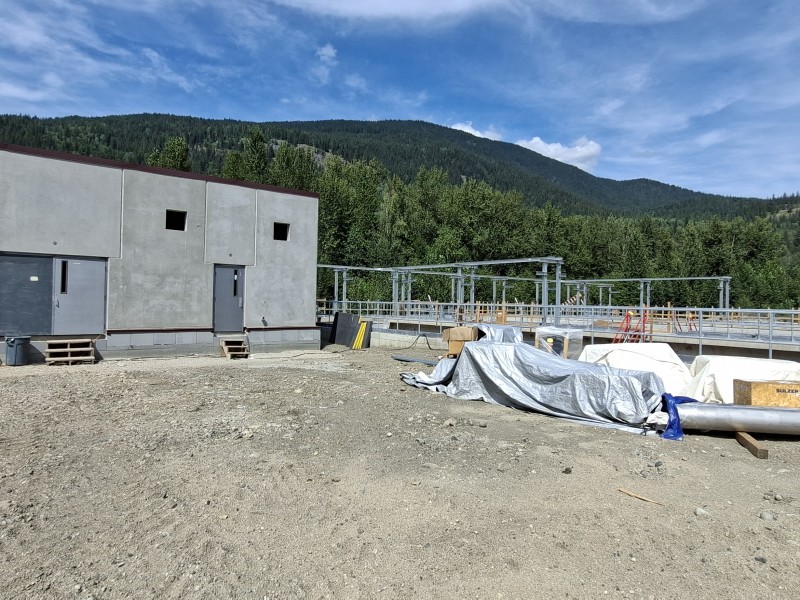
Wastewater treatment plant upgrades set to future-proof facility for 2 decades
Plans to include Big Eddy residents and businesses into the updated facility still in the early stages, city director of engineering says.

Revelstoke granted $200,000 to rework development guidelines
Clarifying building requirements is key in speeding up development approvals, director of development services says.
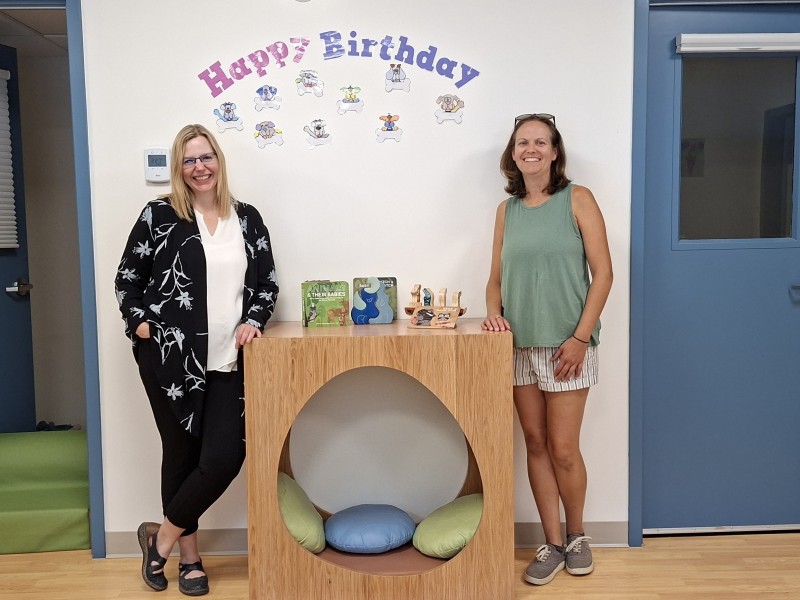
More childcare spaces needed as families face estimated $35,000 income impact annually
Revelstoke Child Care Society still has over 160 families waitlisted as plans to expand into Okanagan College building take shape.