
Brief: Lone female from Columbia South herd moved to Central Selkirk maternity pen
Decision to translocate a difficult one, but the caribou is currently in good health.
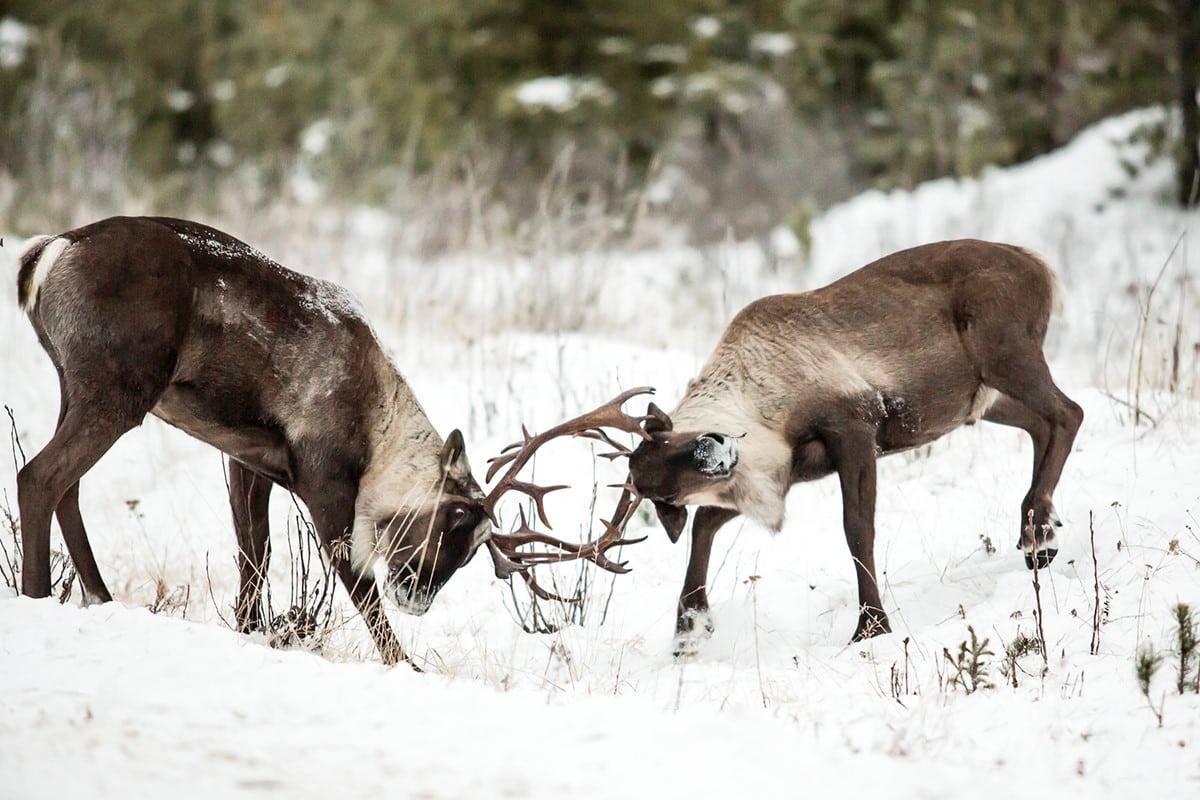
Parks Canada says the remaining female from the Columbia South herd, known to use habitat in Mount Revelstoke and Glacier National Parks, has been relocated to the Central Selkirk maternity pen near Nakusp. The Columbia South Caribou herd has been down to one female since winter 2021-2022. In an update on April 3, Parks Canada noted that, “on her own the caribou has a low chance of survival and no change of having calves.” The female caribou was relocated on March 28, and according to Parks Canada is in good health.
Recognizing the risks of relocation, Parks Canada along with partners in the Revelstoke Complex and Central Selkirks Caribou Technical Working Group recommended moving her to the Central Selkirk maternity pen. The maternity pen is operated by the Arrow Lakes Caribou Society and is monitored by veterinary support. This reduces the risk to the caribou following capture and relocation.
“The decision to translocate this caribou was a difficult one. The Columbia South herd is now extirpated (no caribou remain in the herd’s range) and we recognize this may cause a sense of grief for some people,” Parks Canada said in the statement.
The caribou will remain in the 6.6-hectare maternity pen enclosure for the next few months to acclimatize to the new surroundings. There are nine other female caribou and their calves in the pen. All the caribou will be released into the Central Selkirks herd range in the summer.
The Columbia South and Central Selkirks caribou herds belong to the southern mountain population of the woodland caribou listed as a threatened species under the Species at Risk Act.
What did you think of this story?
Your feedback after we publish a story helps ensure we're always improving our reporting to better serve you
Related Articles
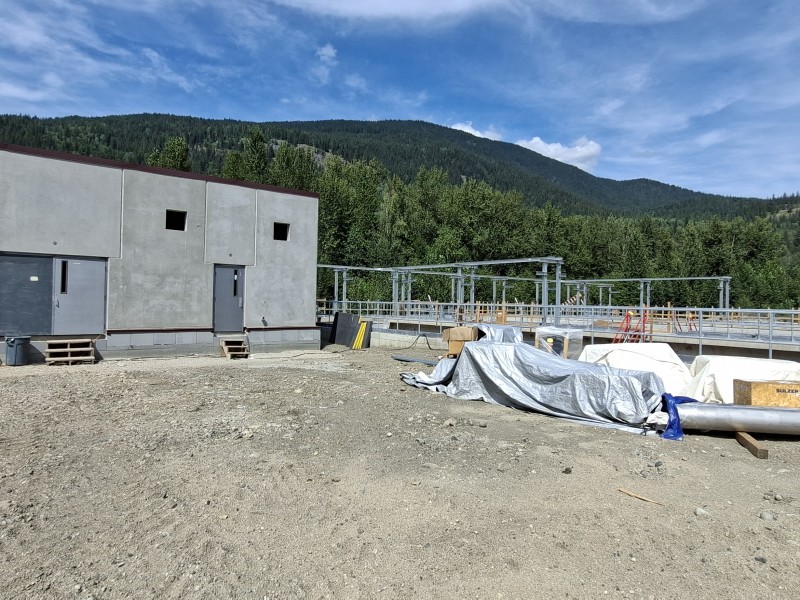
Wastewater treatment plant upgrades set to future-proof facility for 2 decades
Plans to include Big Eddy residents and businesses into the updated facility still in the early stages, city director of engineering says.
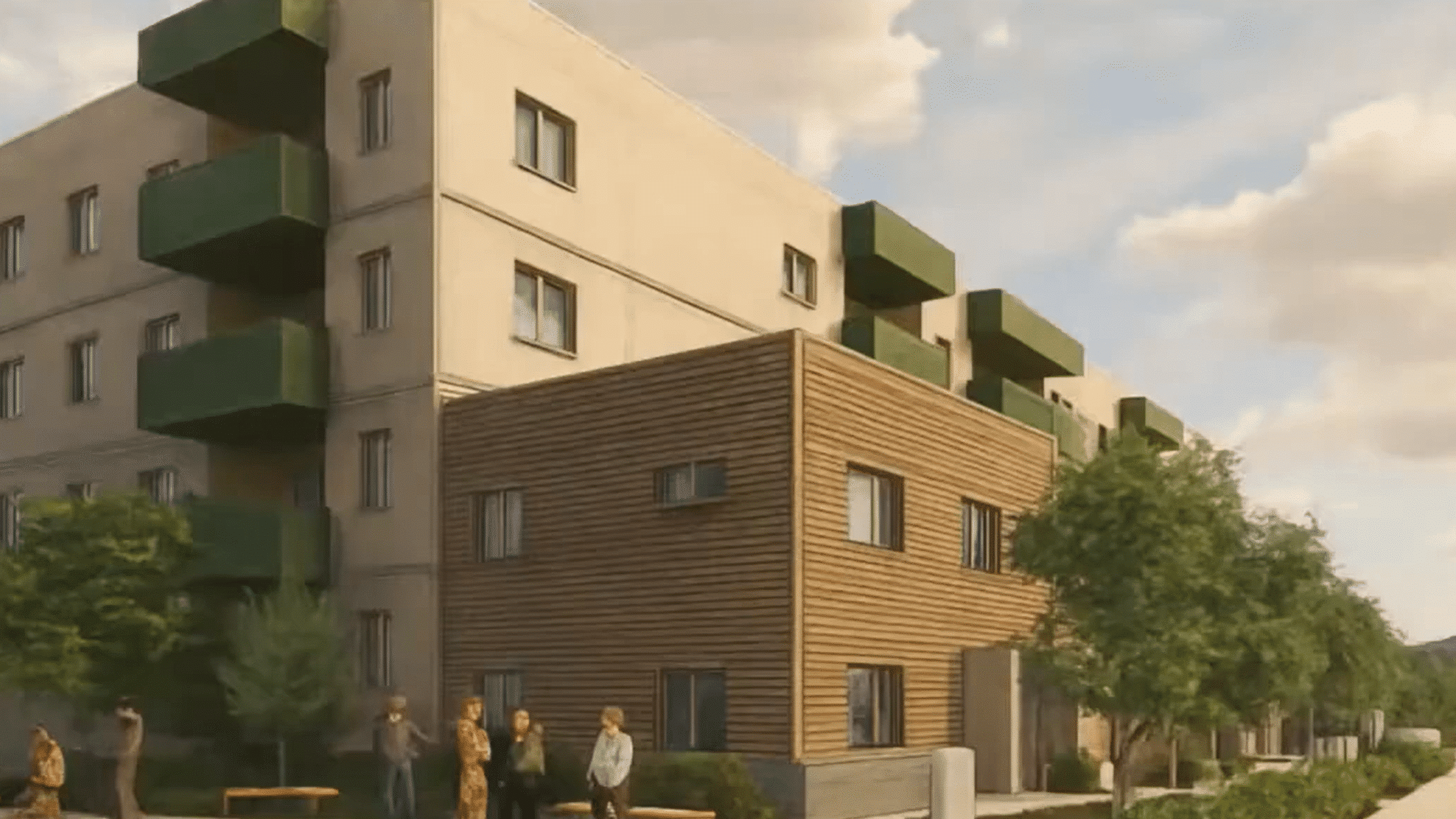
Revelstoke granted $200,000 to rework development guidelines
Clarifying building requirements is key in speeding up development approvals, director of development services says.
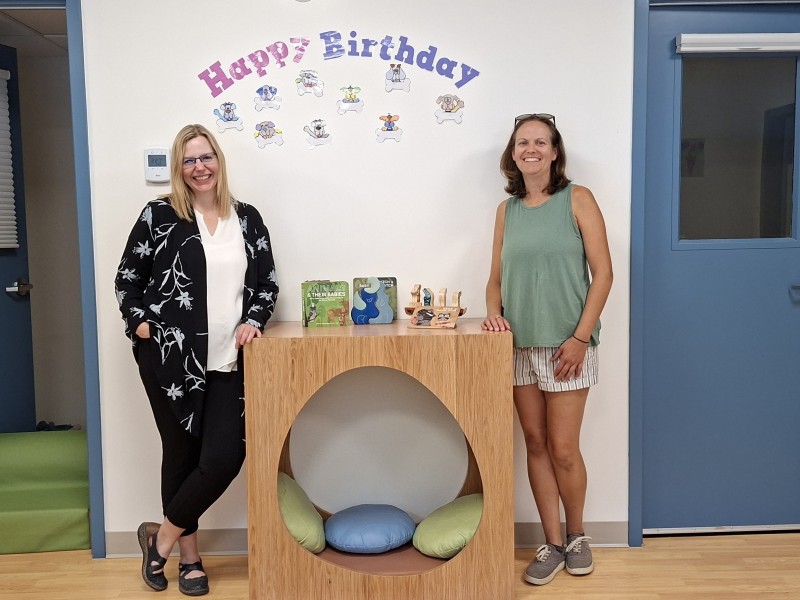
More childcare spaces needed as families face estimated $35,000 income impact annually
Revelstoke Child Care Society still has over 160 families waitlisted as plans to expand into Okanagan College building take shape.