
BC Coroners Service releases Death Review Panel, calling for safer illicit drug supply
On March 9, BC Coroners Service released a Review of Illicit Drug Toxicity Deaths from 2017 to 2021, amplifying calls for decriminalization and a safer supply amongst an “increasingly toxic and unpredictable illicit drug supply.”
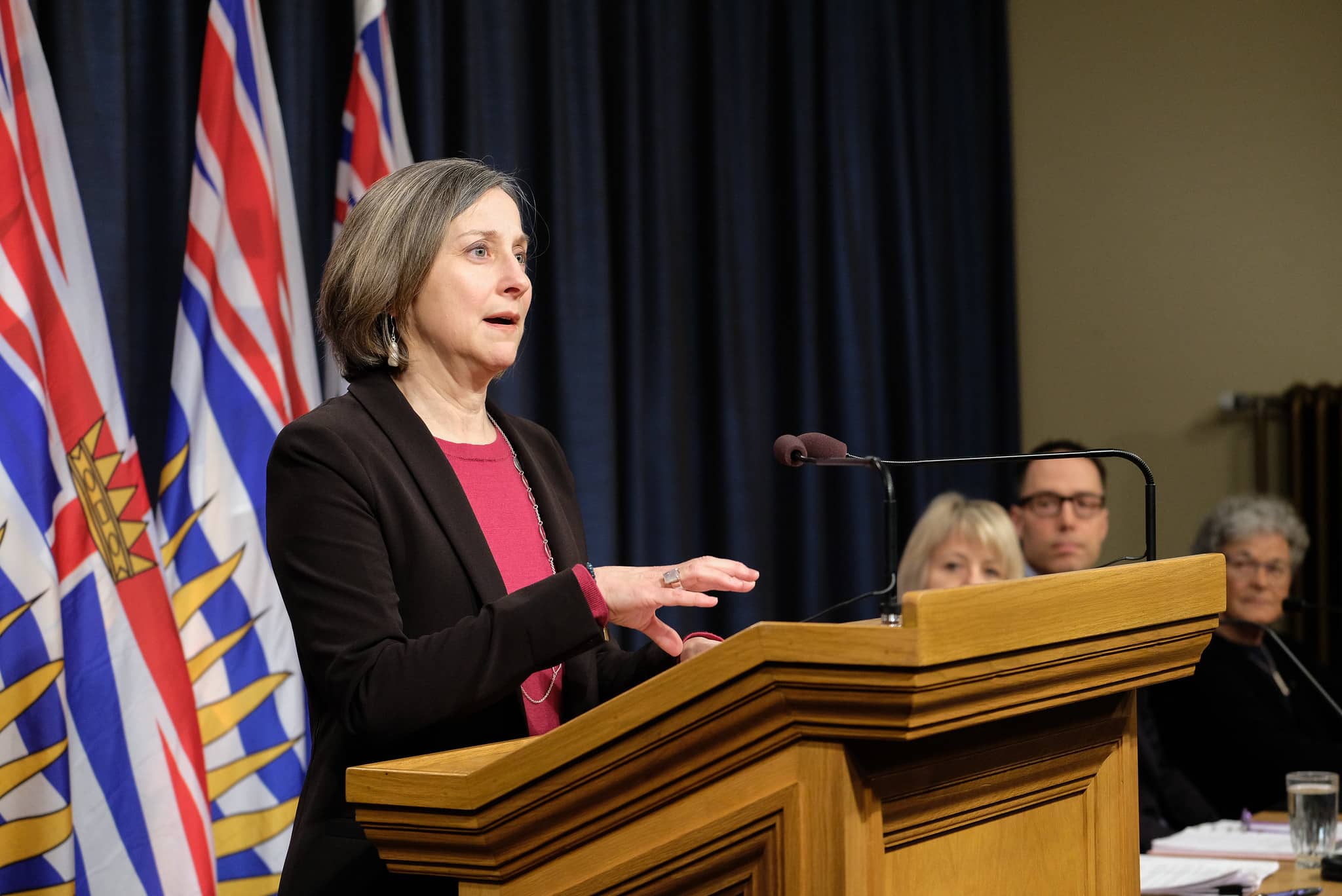
After another deadly year in British Columbia’s long-running opioid crisis, a panel of experts convened by BC Coroners Service is calling for access to a safer supply of drugs amongst a spectrum of evidence-based care.
On March 9, BC Coroners Service released a report examining the circumstances around 6,007 illicit drug toxicity deaths from Aug. 1, 2017 to July 31, 2021. According to BC Coroners Service, the Review of Illicit Drug Toxicity Deaths reveals “the primary cause of these deaths was the increasingly toxic and unpredictable illicit drug supply in the province.”
In 2021, four Revelstoke residents died of illicit toxic drug poisonings.
BC Coroners Service states that “the current drug policy framework of prohibition is forcing substance users to access the unregulated market, leading to increased numbers of substance-related emergencies and deaths.”
Additionally, the March 9 report reveals that illicit drug poisonings, or overdoses, are the leading cause of unnatural death in British Columbia. Overdoses now take more lives than homicides, suicides, motor vehicle incidents, drownings and fire-related incidents combined.
“We know that everyone who dies because of drug toxicity leaves behind family, friends and communities who grieve their loss,” said Lisa Lapointe, BC Coroners Service chief coroner.
“As we approach the sixth anniversary of the declaration of the public-health emergency into substance-related harms, co-ordinated, urgent action is needed to reduce the devastation illicit drugs have inflicted on so many people in our province. This report, by a panel of subject-matter experts, provides a roadmap. It is my sincere hope that their advice will be actioned.”
In the report, subject-matter experts make the following suggestions:
- Ensure a safer drug supply to those at risk of dying from the toxic illicit drug supply.
- Develop a 30/60/90-day Illicit Drug Toxicity Action Plan with ongoing monitoring.
- Establish an evidence-based continuum of care.
“This report includes realistic, actionable recommendations that the panel believes will reduce the number of people dying due to toxic, illicit drugs in our province,” explains Michael Egilson, BC Coroners Service death review panel chair.
“We recognize that many of the timelines in the report are aggressive, but COVID-19 has demonstrated how swiftly policy-makers can act when lives are at stake — and we know that every month of inaction equates to hundreds more lives lost.”
B.C. provincial leaders react to Death Review Panel
Provincial party leaders are responding to BC Coroners Service’s March 9 announcement, criticizing the BC NDP for taking a “patchwork approach.”
“Five years after the creation of a specific ministry for mental health and addictions, people in need are no better off as they face deadlier street drugs, months-long waitlists for treatment, a lack of beds for withdrawal management, and unaffordable privately-run services,” said Trevor Halford, Opposition Mental Health and Addictions Critic.
While BC Liberals point to lacking treatment resources, BC Greens leader Sonia Furstenau highlights the double-standard that many drug users face across the province.
“This government talks of stigma as a barrier, but we have safe supply in B.C.,” Furstenau stated in a March 9 release.
“Alcohol is regulated. Tylenol is regulated. Marijuana is regulated. It is a matter of political will to introduce non-medicalized safe supply, and we have to start wondering who in this government is resisting this necessary harm reduction approach to an increasingly deadly crisis.”
In response to BC Coroners Service’s Death Review Panel, Minister of Mental Health and Addictions Sheila Malcolmson stateed, “I recognize the BC Coroners Service and panel members for their report on the devastating deaths in our province due to illicit toxic drugs.”
“Since the federal government regulates controlled drugs and substances, we are focused on what we can do within our provincial jurisdiction – a prescribed safer supply model implemented through health authorities,” said Malcolmson.
Although the provincial government applied to decriminalize small amounts of illicit substances in November 2021, federal leaders have not issued an official response to the application.
What did you think of this story?
Your feedback after we publish a story helps ensure we're always improving our reporting to better serve you
Related Articles

Birch and Lace salon offers apprenticeship-style academy for future hair stylists
The skills program aims to keep residents in town and learning in-house as salon founder focuses on accessible education opportunities.

Revelstoke Mountain Resort provides updates on infrastructure upgrades and partnerships
Resort president Jason Kelder shared planned changes coming to the resort, which include a new warming hut.

Glacier National Park trails remain closed following heavy avalanche season
Balu Pass trail, along with two others are closed indefinitely as Parks Canada staff evaluate how much of the popular trails will need to be rebuilt.