
B.C. applies for decriminalization of personal amounts of illicit substances
In response to the public health emergency that has taken more than 1,200 lives this year, the Government of British Columbia is applying for an exemption to the Controlled Drugs and Substances Act.
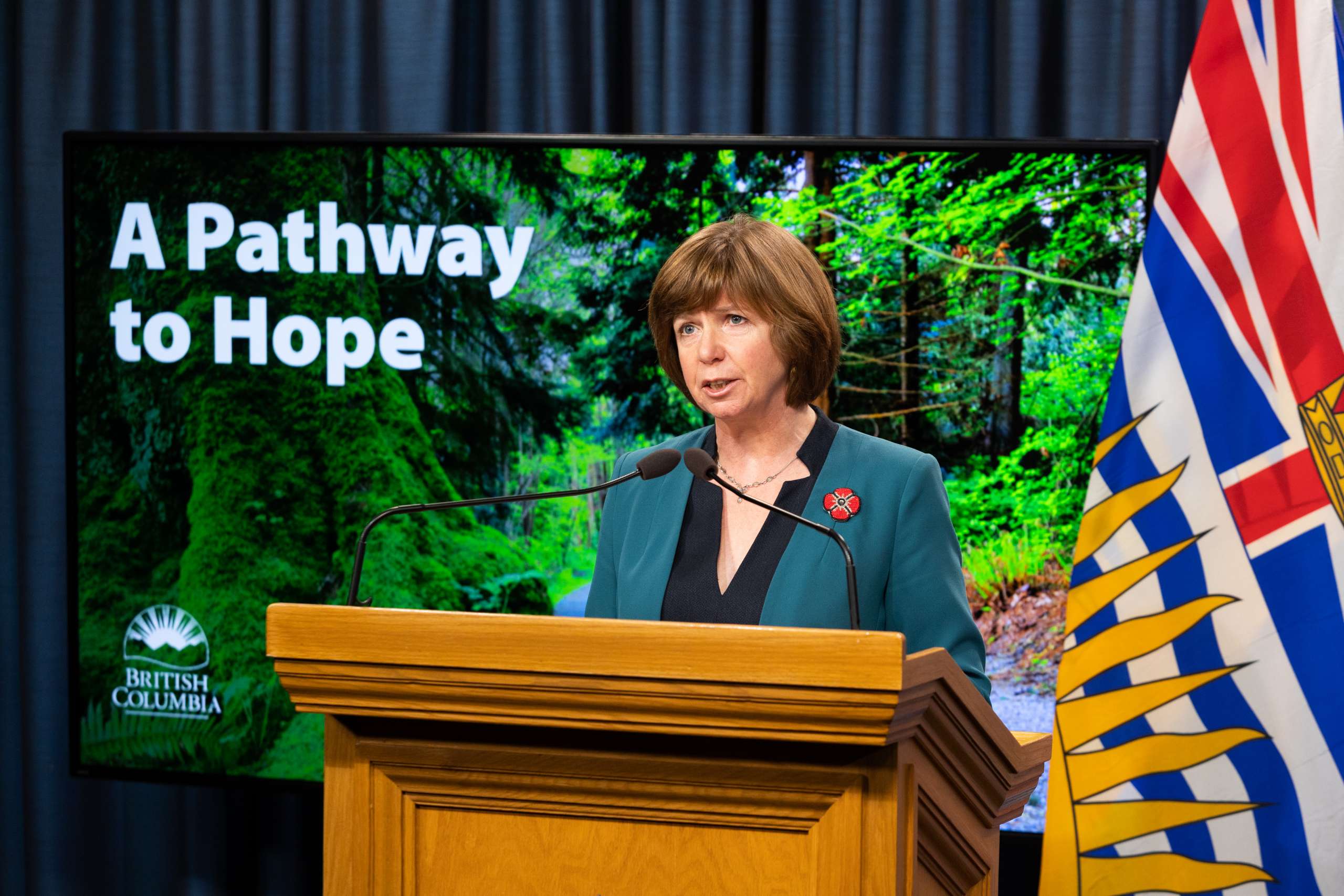
The B.C. government is applying for a federal exemption under the Controlled Drugs and Substances Act, decriminalizing personal amounts of illicit substances.
On Nov. 1, the provincial government announced the finalized application. If approved, B.C. will be the first province to remove criminal penalties for people who possess small amounts of illicit drugs.
According to BC Coroners Service, over 7,000 British Columbians have died of illicit substance poisoning since declaring a public health emergency in 2016. Over 1,200 of those deaths occurred in the first six months of 2021, as the COVID-19 pandemic led to a spike in overdose deaths.
Read more about the public health emergency here:
On International Overdose Awareness Day, BC Coroners Service reveals record overdose numbers
“We know that drug use is a health problem, not a criminal one. That means we must respond with a public health approach and not a criminal justice one,” stated former Vancouver mayor and senator Sen. Larry Campbell in the release.
The proposed decriminalization framework applies to adults over the age of 19 across British Columbia, with a recommended legal threshold of 4.5 grams for personal usage.
Critics react to proposed decriminalization framework
For the thousands of British Columbians affected by the opioid crisis, the news comes with a sigh of relief. However, critics are raising concerns about the proposed framework.
“The proposed threshold in the government’s submission gives some pause for concern, as we’ve heard preliminary reactions that the limit is too low, and doesn’t let people carry more than a day’s dose,” stated B.C. Green Party Leader Sonia Furstenau, adding that current decriminalization timelines do not reflect the urgency of the crisis.
Advocacy groups are also speaking out in support of Furstenau’s statement.
In a Nov. 1 release, members of the province’s Core Planning Table (CPT) pointed out “the last-minute inclusion of a low ‘cumulative threshold quantity,’ exclusion of people under 19, and reliance on police officers to provide health and social referrals—changes made without consultation or the support of the vast majority of CPT members.”
What did you think of this story?
Your feedback after we publish a story helps ensure we're always improving our reporting to better serve you
Related Articles
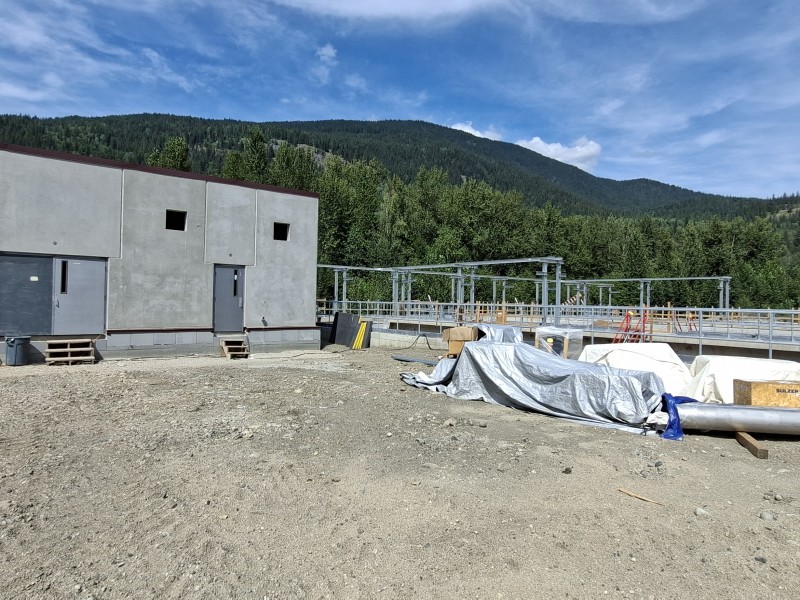
Wastewater treatment plant upgrades set to future-proof facility for 2 decades
Plans to include Big Eddy residents and businesses into the updated facility still in the early stages, city director of engineering says.

Revelstoke granted $200,000 to rework development guidelines
Clarifying building requirements is key in speeding up development approvals, director of development services says.
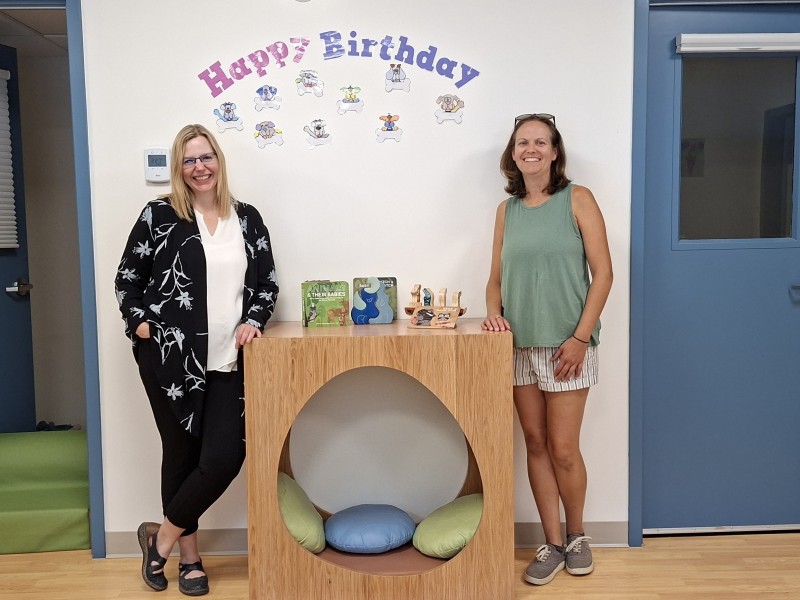
More childcare spaces needed as families face estimated $35,000 income impact annually
Revelstoke Child Care Society still has over 160 families waitlisted as plans to expand into Okanagan College building take shape.