
Avalanche Canada stresses need for preparedness in wake of McBride fatalities
Avalanche Canada and the BC Coroners Service are calling for backcountry users to prepare themselves for avalanche danger through education, noting it was a factor in the Jan. 29 avalanche incident near McBride that killed five snowmobilers.
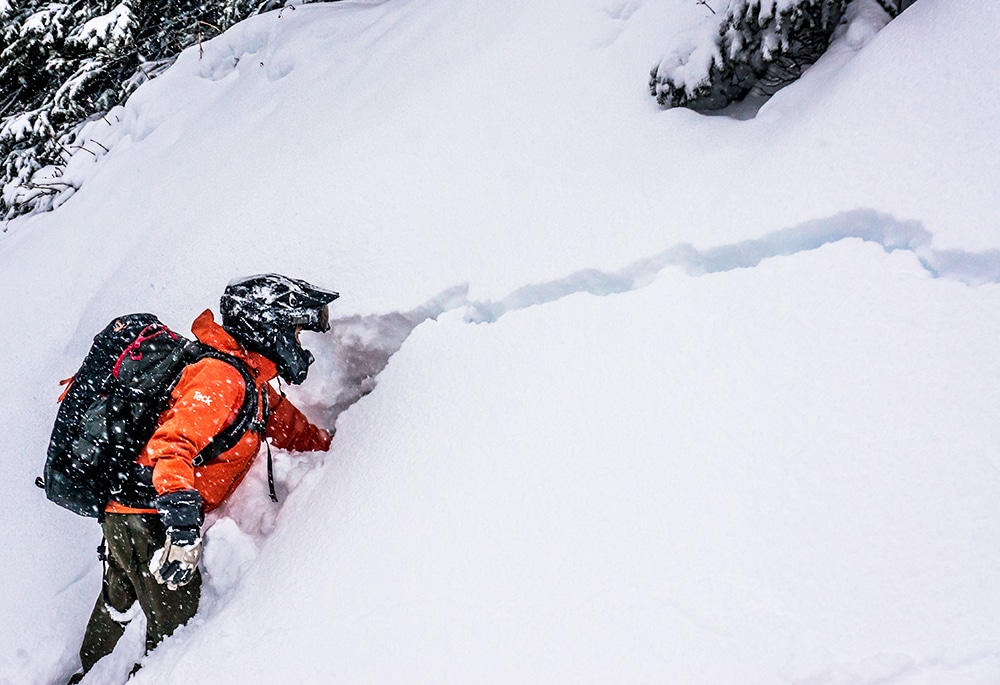
In a Feb. 3 joint media statement by Avalanche Canada and the BC Coroners Service, the two organizations urged preparedness for backcountry users in the face of avalanche danger.
They noted a good rescue response by those on scene of a Jan. 29 avalanche near McBride, B.C. that killed five Alberta snowmobilers and impacted 12 more.
They call for backcountry users to prepare themselves for avalanche danger through education and training, noting it was a factor in the incident.
Here is their Feb. 3 media release.
BC Coroners Service and Avalanche Canada stress need for safety
Feb 3, 2016, Revelstoke, BC: In the wake of the deaths of five persons in an avalanche near McBride on Jan. 29, 2016, the BC Coroners Service and Avalanche Canada are joining to stress the need for preparedness for those heading into the backcountry this winter.
A total of 17 snowmobilers were in the Mount Renshaw Alpine Recreation Site when the avalanche hit. First responders, the Coroners Service and Avalanche Canada all note that the majority of groups had proper rescue equipment with them, and that the impressive effort made by those on scene to rescue themselves and others undoubtedly prevented the loss of more lives.
However, notes Gilles Valade, Executive Director of Avalanche Canada, even better than knowing to respond to an avalanche incident is knowing how to prevent one from occurring in the first place. “Avalanche safety education is essential for all winter backcountry recreationists,” said Valade. “Basic skills, such as recognizing avalanche terrain and not exposing multiple people to overhead hazard, make a big difference in reducing the consequences of an event.”
Equipment alone is not enough, noted Chief Coroner Lisa Lapointe. Three of the five fatalities from the Renshaw avalanche had deployed avalanche airbags designed to “float” someone along the surface of a moving avalanche. But the airbags were ineffective in this case because the victims were in a gully at the bottom of a slope – an area where the debris flow of the avalanche is too constricted.
The vast majority of fatal avalanches are triggered by the victim or someone in the victim’s party. Avalanche Skills Training courses teach proper trip planning, terrain selection and safe travel techniques, which can be effective in preventing accidents.
Information about current safety conditions, as well as training courses and equipment needs can be found at Avalanche Canada’s website, www.avalanche.ca.
What did you think of this story?
Your feedback after we publish a story helps ensure we're always improving our reporting to better serve you
Related Articles
Wastewater treatment plant upgrades set to future-proof facility for 2 decades
Plans to include Big Eddy residents and businesses into the updated facility still in the early stages, city director of engineering says.
Revelstoke granted $200,000 to rework development guidelines
Clarifying building requirements is key in speeding up development approvals, director of development services says.

More childcare spaces needed as families face estimated $35,000 income impact annually
Revelstoke Child Care Society still has over 160 families waitlisted as plans to expand into Okanagan College building take shape.