
Accessibility in Revelstoke is a community effort
In addition to infrastructure updates, education and community connection can help improve accessibility in Revelstoke.

For Aleesha Kaler, navigating the world requires daily support. Born and raised in Revelstoke, Aleesha suffers from seizures and is developmentally delayed due to a rare neurological disorder.
An active young woman, the 29-year-old attends adult programming with Pacific Coast Community Resources. She also loves participating in curling, bocce and bowling through Special Olympics BC. On a good day Aleesha can walk. However, some days are more challenging, and she may need to use a walker or a wheelchair.
Courtney Kaler is Aleesha’s older sister, and perhaps her biggest advocate. She shared with the Mountaineer that when it comes to accessibility, Revelstoke does do a good job overall. Some businesses have ramps or elevators or automatic door openers.
“They do what they can with what they’ve got,” Kaler said.
But there’s always room for improvement.
Understanding ableism and how universal accessibility benefits everyone

Ableism is defined as discrimination or prejudice against people with disabilities. While societal attitudes towards people with disabilities are improving, there is still resistance when it comes to universal accessibility and inclusion. Changing how we speak about disability, inclusion and accessibility can be a good starting point.
“I think the way we speak about accessibility is absolutely helpful,” Kaler said. “Making this a concern for everyone will help to diminish the stigma that surrounds people with challenges.”
For Kaler, who is also the local coordinator for Special Olympics in Revelstoke, one of the best ways to change views is through education and connection. Last year, Special Olympics BC, Revelstoke, introduced a new fundraiser called Marathon of Sport. It allowed members of the community an opportunity to meet Special Olympics athletes and play sports and games together. Kaler said it was a great way to have fun, and make connections and friendships.
Undoing attitudinal barriers towards disability in our community will take more than an inclusive fundraiser, however. More talk about accessibility, collective brainstorming, and more people getting together are all ways Kaler believes communities can become more inclusive and better for everyone involved.
“I also feel like more support from the city for businesses, perhaps through grants or improvement projects, would be helpful for current businesses to make necessary changes and upgrades to make them more easily accessible,” she said. “Many small businesses are still struggling trying to bounce back from the pandemic.”
Addressing barriers through the years
In June 2021, the Accessible British Columbia Act became law. New rules are created to make government and organizations more accessible by removing barriers people with disabilities face. This includes attitudinal as well as physical barriers, among others.
In September 2022, the B.C. provincial government required more than 750 public-sector organizations to develop an accessibility committee, accessibility plan and public feedback tool. This included local governments, post-secondary institutions and public libraries.
In September 2023, Revelstoke City Council provided a resolution for staff to enter into a funding agreement with other member communities of the Columbia Shuswap Regional District (CSRD) to form a Regional Accessibility Committee. That report estimates the cost to the city at $2,000 per year, with funds coming from the existing corporate services budget.
Steve Black, City of Revelstoke director of infrastructure and planning said the CSRD was chosen to lead the committee because of its close connections with participating municipalities. The CSRD also includes the communities of Sicamous, Salmon Arm and Golden, as well as seven unincorporated electoral areas, including Electoral Area B (rural Revelstoke).
“The CSRD will take on the task of collecting applications for individuals that would like to volunteer on the committee to provide input into unique accessibility plans for each municipality or regional district,” Black said.
The Mountaineer reached out to the CSRD for more information on the development of the regional committee but did not receive a response prior to publication.
City of Revelstoke planning accessibility upgrades to museum, city hall
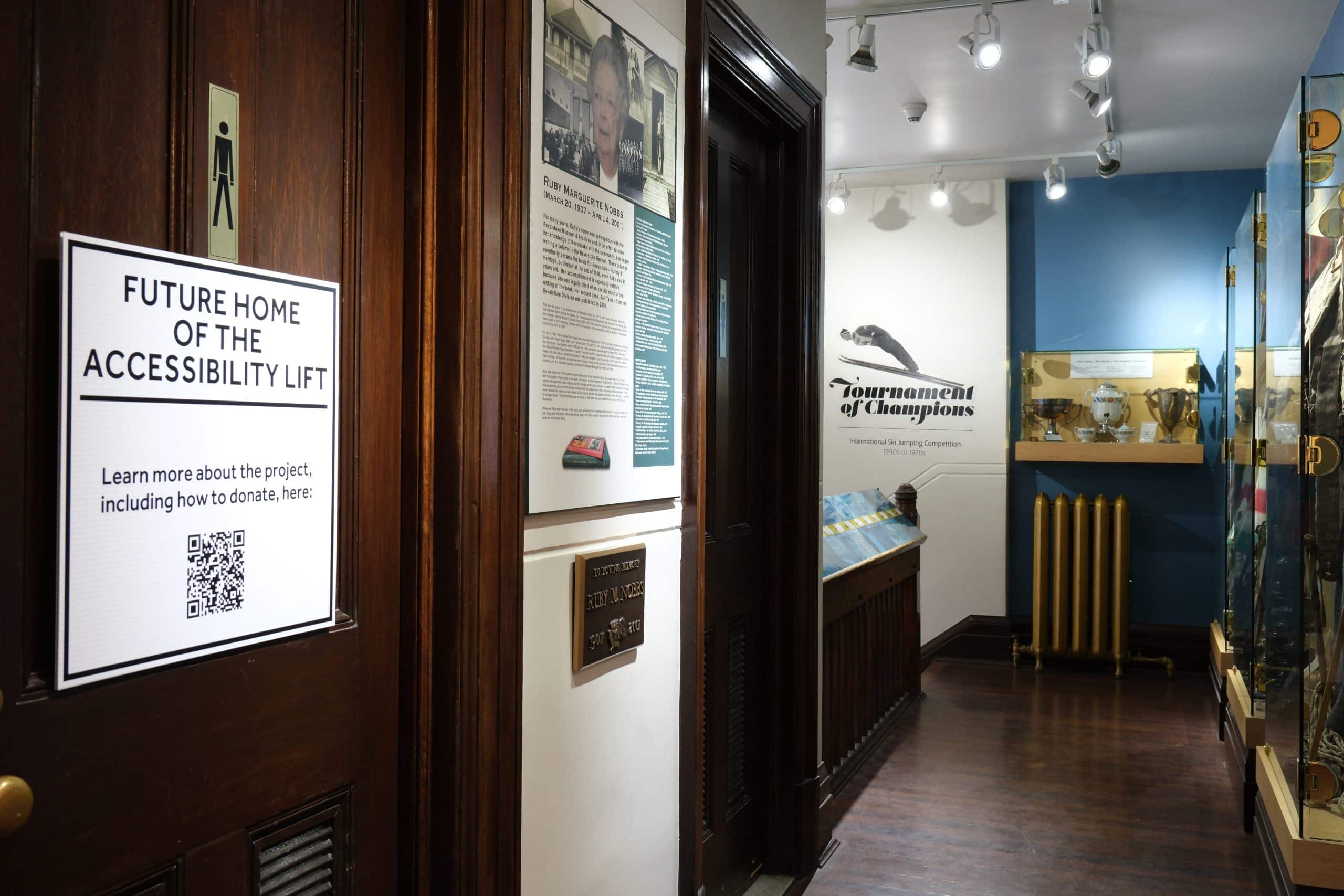
The city currently has several accessibility improvement projects underway, including the Grizzly Plaza bandshell ramp. Other projects include an elevator that will allow people with mobility issues to access the second floor of the Revelstoke Museum & Archives, which is housed in a building owned by the city and improvements to city hall.
The city is looking to improve accessibility of city hall through use of mobile financial systems that would allow for payments to be taken at either the Mackenzie Street or Second Street entrances, Black explained. Additionally, new curb letdowns have tactile strips for those who are visually and physically impaired. The new shower room at Williamson Lake has accessible showers and washrooms. And finally, the new washroom at Mutas Loop has accessible and family washrooms.
One of the requirements of municipalities under the Accessible British Columbia Act is to “build a tool to receive feedback on their accessibility.”
Revelstoke will likely meet this requirement through the TalkRevelstoke platform once the regional community membership has been established and approved, Black said.
It’s important to note this process is still in the beginning stages and identifying and developing accessibility solutions and a budget for implementation will take time.
“Any physical or sensory adaptations that are recommended by the committee in our local accessibility plan will need to be considered during the city’s budgeting cycle in relation to capital and operational funding requirements,” Black said. “The accessibility plan will set the local government up to prioritize and consider accessibility-related improvements.”
What did you think of this story?
Your feedback after we publish a story helps ensure we're always improving our reporting to better serve you
Related Articles
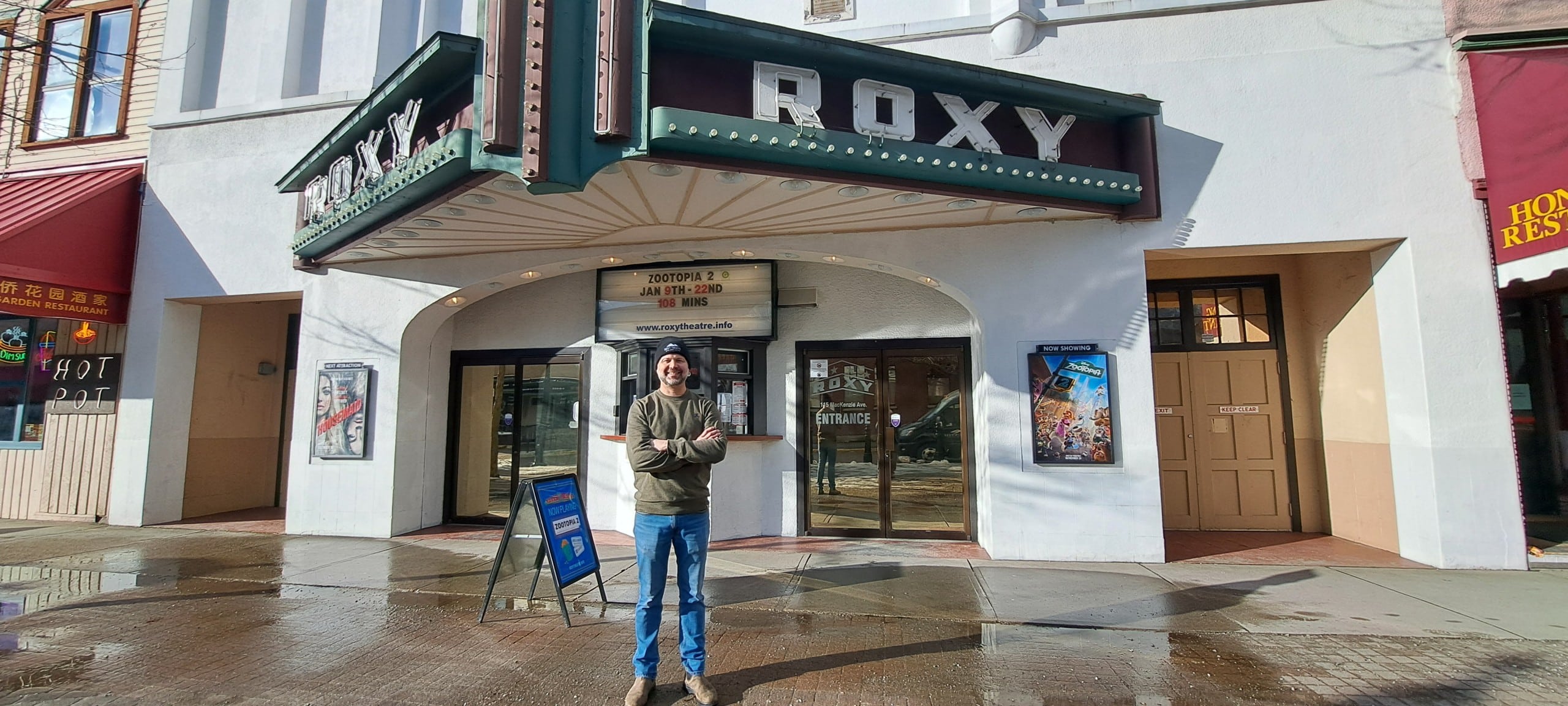
Still rolling: How the Roxy Theatre remains a Revelstoke staple
Greg Rose, Revelstoke’s Roxy Theatre caretaker, wants to make the movies the most reliable entertainment in town.
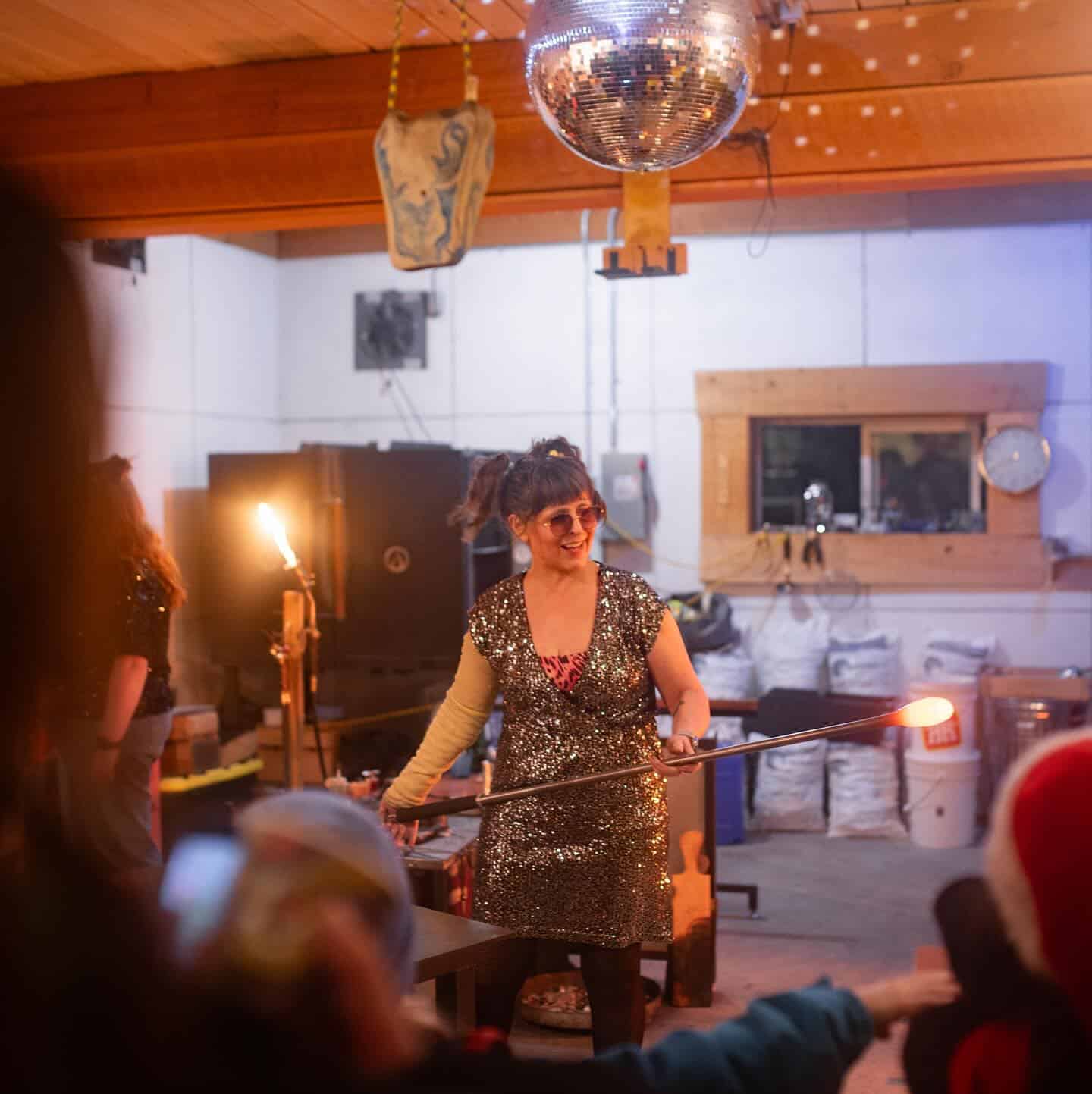
Local businesses champion the Big Eddy
From the Big Eddy Winter Market to local farms, the neighbourhood is a pillar in Revelstoke’s growth, Big Eddy Glass Works’ Leah Allison says.
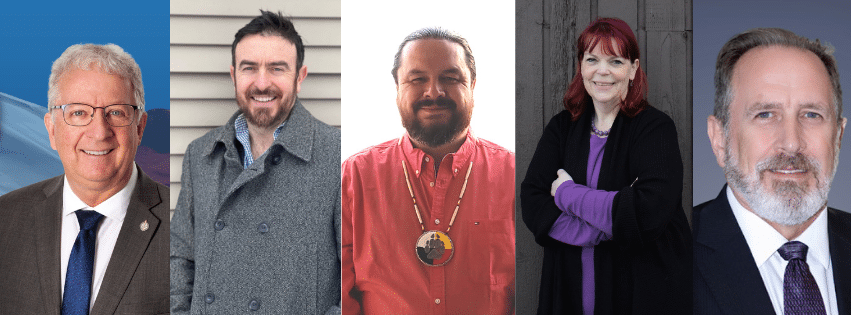
Federal candidates answer your questions
Revelstoke Mountaineer chatted with Kamloops—Shuswap—Central Rockies candidates about the questions Revelstoke wants to know.