
Revelstoke DCC bylaw update pushed to late in council term
Staff say DCC bylaw update pushed back to 2022, propose minimal increase in the interim.
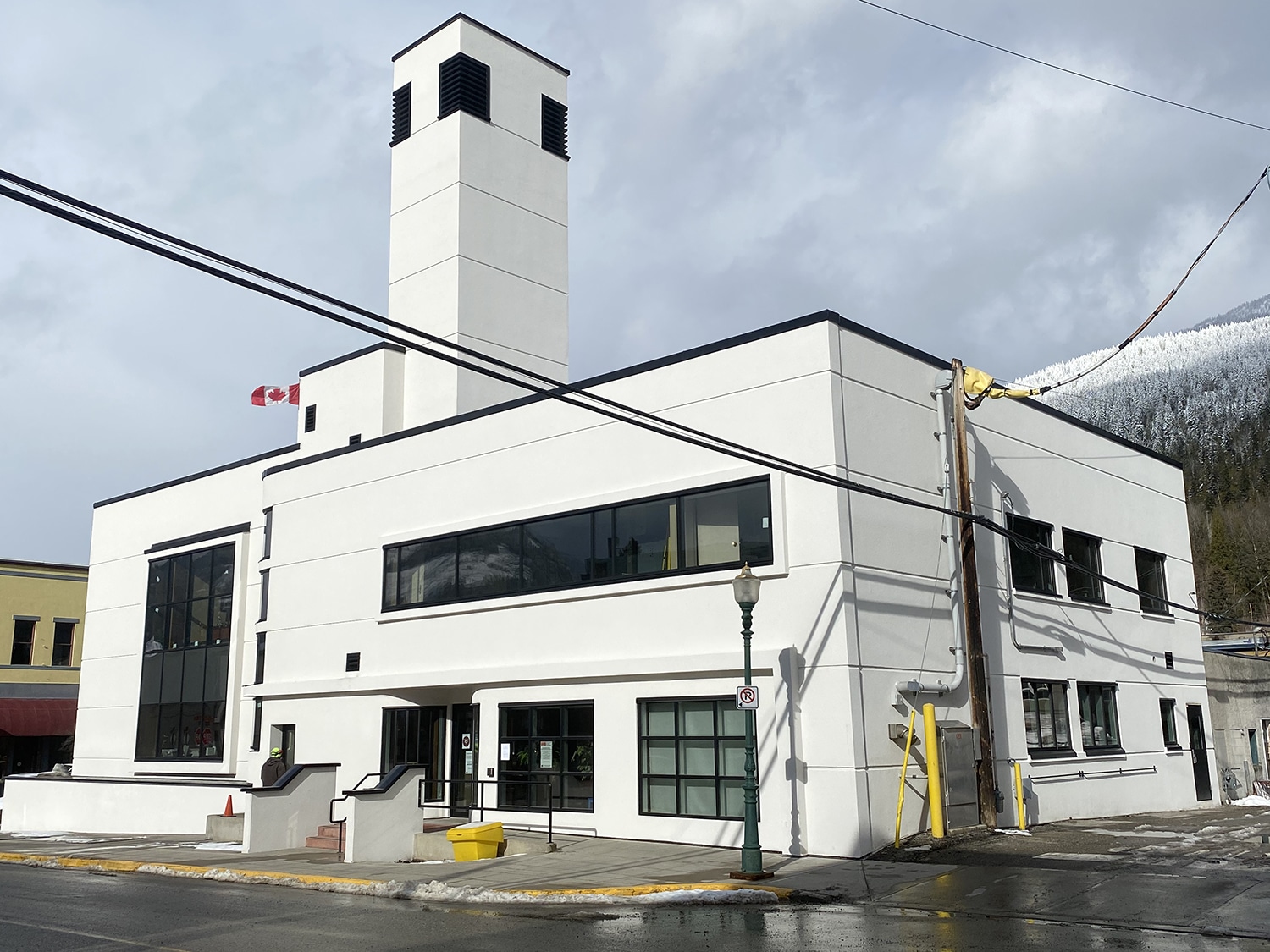
City coffers won’t benefit from adequate development cost charges (DCCs) for at least the majority of council’s current term, leaving taxpayers on the hook for a significant portion of the cost of infrastructure needed to service ongoing developments in the city.
The current city council’s first significant update on the controversial DCC file came at the Mar. 9 meeting, where city staff said they wouldn’t be able to get to the DCC bylaw update until late 2021 or 2022. This means all development projects that get approved prior to that time will benefit from rates that are much more than 40% less than what is required under the existing outdated bylaw. To compound the issue, the city recognizes the existing list of projects the DCCs will fund is inadequate, but says it needs more time to calculate future infrastructure costs, pointing to the Liquid Waste Management Plan update as one of several examples.
In the interim, the city’s de facto plan is to have taxpayers pick up the development costs.
This means a key election commitment by many council candidates — to update the DCC bylaw — remains illusive. The DCC issue saw considerable public controversy in the lead-up to the 2018 municipal election, when its update failed after a sustained pressure campaign by members of the development community, one that led to a wave of developer-backed candidates seeking a seat during the election.
Learn more: Read what current city councillors said about the DCC bylaw update during their council election campaigns here:
Q&A with city council candidates: Development Cost Charge Bylaw
“This was the major election issue two-and-a-half years ago,” noted Councillor Tim Palmer, newly elected in the 2021 by-election, “most of the candidates at that time were promising the DCCs to be a priority, and now a long time has passed.”
Small, inflationary increase
In the update at the Mar. 9 meeting, staff recommended a four-per-cent increase in the fees, something staff said was allowable under a time-limited technical provision. Director of Development Services Marianne Wade acknowledged the inadequacy of the small increase, saying the increase needed to cover existing projects alone “would well exceed 40%.”
Structurally, the four-per-cent increase is inadequate to even recover inflationary costs over the period; construction price index inflation far exceeds the consumer price index. As they say, it’s building bridges not buying bananas.
The marginal increase doesn’t account for new infrastructure costs that have been created by new or proposed development.
Mayor Sulz called for DCC bylaw delays
In response to Coun. Tim Palmer’s questions about delays in achieving this key council objective, Mayor Gary Sulz said that he encouraged delays. “When we were elected, this council was raring to go on dealing with the DCCs and my comment to them was to because the previous DCC bylaw had failed, to just let the community calm down for a bit before a bit before we re-engaged,” Sulz told council at the Mar. 9 meeting.
In practical terms, that means not putting the item on the council agenda.
Had the city re-engaged with the existing update after a statutory waiting period, it could have completed the bylaw to its liking within the first half of its term, with many costs already covered.
The result is likely four more years of lost revenue to be made up later by taxpayers, when the bills for large infrastructure projects come due. The staff report was light on financial analysis, and didn’t contain information on what that cost to taxpayers will be.
Palmer votes against
New city councillor Tim Palmer was the only vote against the proposed change. He objected to the across-the-board increase, saying the rates should be tailored to meet objectives, such as lowering rates for infill construction.
Developer-approved
Both Development Services Director Marianne Wade and Mayor Gary Sulz made efforts to note they had received positive feedback from the development community. “They are supportive of where we are going with this,” said Wade. Sulz also noted the development community “have weighed in and are supportive.”
Analysis: The horse and the cart
As the city has struggled to deal with the ramifications of its decision to pursue resort community development over the past dozen years, the most familiar justification from staff has been the horse and the cart paradox.
When council urges action that fulfills a community objective, such as ensuring development is paying its fair share, staff are quick to note the objective can’t be achieved because another planning document is not compete or up to date. We can’t get a horse until we get a cart, and we can’t get a cart until we get a horse.
Currently, the Development Services department says that it needs to complete several planning processes before it looks into the DCC bylaw, listing the liquid waste master plan, the transportation master plan, and the water and storm sewer plans as examples.
Certainly, to some extent the justification is true. The processes are complex, often requiring provincial government sign off. But the justification can also be used as a stalling tactic, in some cases leaving the barn door open for the horses to bolt as they will, cart or no cart.
Read more
Read the staff report on changes here. Read the proposed changes to rates here.
Watch
Watch the council debate on the DCC issue from their Mar. 9 meeting here. The video is cued to the start of discussion:
What did you think of this story?
Your feedback after we publish a story helps ensure we're always improving our reporting to better serve you
Related Articles
Wastewater treatment plant upgrades set to future-proof facility for 2 decades
Plans to include Big Eddy residents and businesses into the updated facility still in the early stages, city director of engineering says.
Revelstoke granted $200,000 to rework development guidelines
Clarifying building requirements is key in speeding up development approvals, director of development services says.

More childcare spaces needed as families face estimated $35,000 income impact annually
Revelstoke Child Care Society still has over 160 families waitlisted as plans to expand into Okanagan College building take shape.