
The Instagram effect: Are we experiencing Revelstoke to the fullest?
Instagram has taken over much of many Revelstoke residents’ lives; it’s affected our ability to immerse ourselves in everything Revelstoke. What can we do to get back to real life?
By Arlen Dancziger
This story first appeared in print in the February 2021 issue of Revelstoke Mountaineer Magazine. Read the e-edition here:
For people living outside of Revelstoke, or B.C. as a whole, Instagram is a window into life near Begbie, Macpherson, Cartier and more. It highlights the sense of community we have here. It can be used to educate people about outdoor spaces and provides a framework for the advocacy of groups such as Protect Our Winters and Parks Canada.
But behind all of the positives, there are certainly some underlying issues that many of us haven’t addressed.
The obvious ones that come to mind would be issues related to depression, and body-image issues, especially for teens and young adults. Although these are pressing issues, there are other Revelstoke-specific problems that we face when opening the app or snapping that sweet shot.
Misconceptions of Revelstoke
Firstly, as a community, we may be idealizing Revelstoke to people who don’t live here. There are numerous awesome things about Revelstoke — this we can admit — but every town has its shortcomings. It can be hard to fi nd places to live. It can be hard to access certain goods and services. It can be hard to get in and out of town sometimes. There aren’t too many high paying jobs for those who can’t work remotely.
When we idealize Revelstoke on an international stage, we may attract a lot of people to this beautiful town, but it may not be an accurate description of what life is really like here.
Fear of missing out
You might’ve heard of FOMO. It can fuel people to do some crazy things. A powder day at Revelstoke is a great example. There was a time when skiing and snowboarding were about getting out into the mountains and feeling alive. We certainly still do that, but there is a sense of the morning powder rush becoming more competitive year after year. Slowly but surely, you’ll fi nd yourself further down the line towards the parking lot at 8 a.m.
In the alps, there are numerous online reviews regarding pushing and shoving in lift lines and aversion of tourists as a whole. I’m not accusing us of getting to that level, but as the resort gets busier year after year, this becomes a possibility.
In addition, the thrill of getting an awesome shot for Instagram has ended in tragedy for some. This is a direct link to the harms of Instagram infiltrating our lives, in the worst way possible.
Losing experience itself
As bad as those first two examples are, the biggest intrusion Instagram has produced is the disintegration of our experiences as a whole.
There are three steps to a fulfilling experience: anticipation, sensation, and memory. Instagram has affected them all.
Before we experience something new, we visualize it. We wonder about it. We are curious about it.
Instagram is replacing a portion of our curiosity and visualization. Open the app, scroll through, and you’ll see tons of videos and pictures of Mount Mackenzie, 112 Restaurant and Lounge, and the Columbia River.
As you stroll west on Mackenzie Avenue, you see The Roxy Theatre and Macpherson. The snow cascading off the rooftops and the cliff s near the peak are certainly more beautiful when you see them in person, but there is a sense of loss in our wonder and curiosity when we’ve seen something a bunch of times already. Imagine how the first people to experience Revelstoke felt when they arrived. Compare that to how you felt when you first saw it after seeing two hundred photos of Mount Begbie.
After anticipating and wondering about what we are about to experience, we arrive at experience itself and our senses take over. Normally, when we see some new mountains for the first time, we’re awestruck, glued to their presence. We take deep breaths of the fresh mountain air, we hear birds and other wildlife circling overhead, and we soak in all of the sensory input that our brain can handle. In other words, we’re really there.
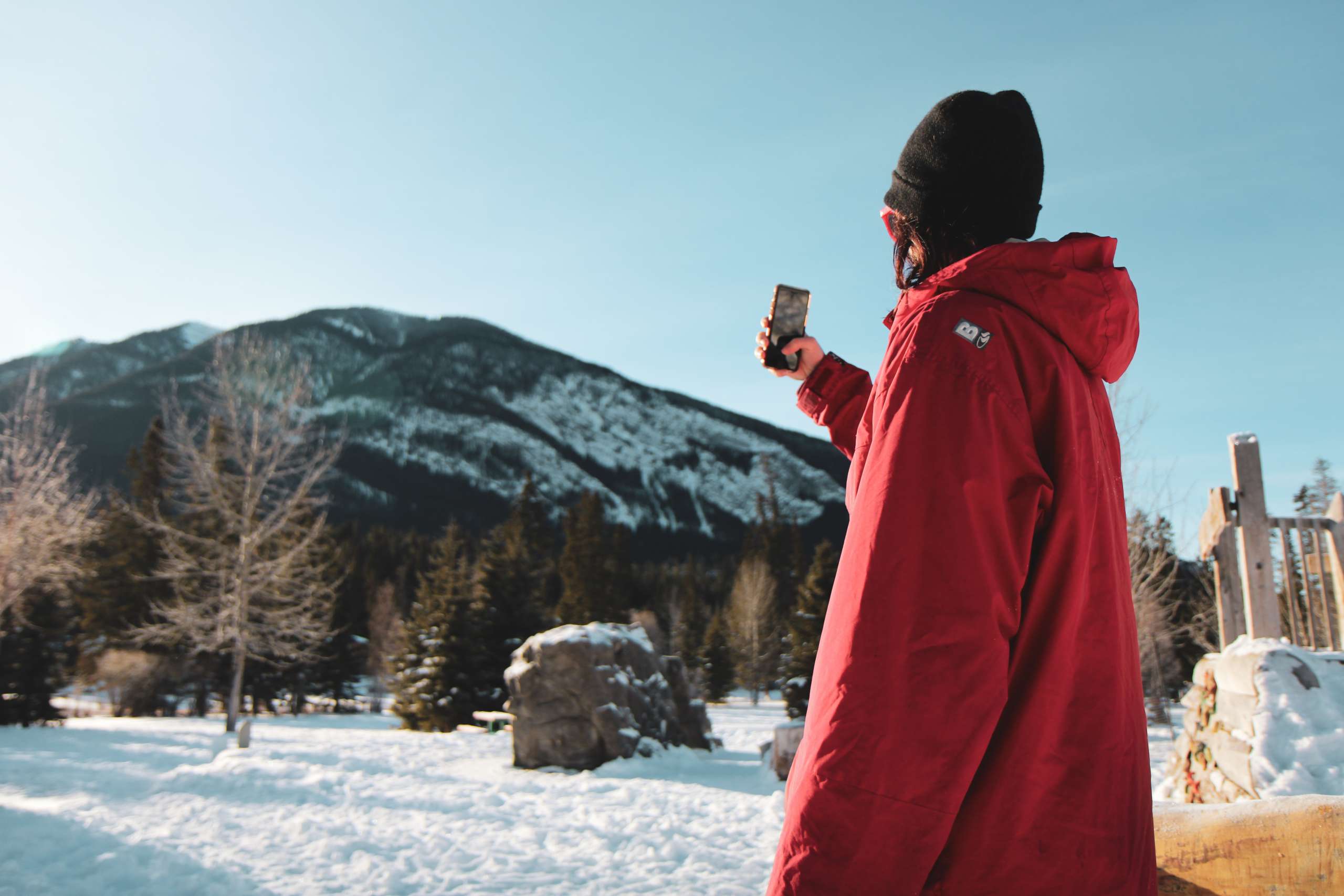
But Instagram has changed the way some of us experience these moments. Before truly immersing themselves in the moment, we see a young couple quickly pull out their phones at the Illecillewaet River with Albert Peak’s sharp edges in the background and think of all the likes and follows that come with that awesome view. In a sense, we are not really experiencing things if the goal is to snap a cool photo.
A great example of this comes from a colleague of mine. They were writing about the Revelstoke Grizzlies, and went to the rink to get some photos for the article. After setting up the shot, waiting for the perfect time, and snapping a few photos, they had accomplished their goal. But, if you asked them what happened during the game while they were there, they’d have no clue, they might not even know the score.
After experiencing something amazing, such as the view from the top of the Stoke Chair, with all of those jagged peaks and glaciers, we might hold on to that view as a personal memory for a lifetime. That is, if we remember it.
There are numerous studies into memory, and how it can fail us. There are stories of police officers attributing fake memories to people. Our view from the top of the Stoke Chair may not be as dire, but if our memories can fail us, there’s a possibility of attributing other people’s photos as our own memories. If you’ve seen a photo of Mount Begbie a hundred times, there’s not much room left in your brain for the one time you actually saw it in person.
In addition, if you’re looking at Mount Begbie through a lens or with the sole goal of getting the perfect shot for Instagram, you could miss out on crucial parts of the experience. If you miss the experience, then it can never become a personal memory.
What can we do?
Given all of the negatives about Instagram throughout this article, you may have the inclination to delete it completely. This is a solution for some, but there are still enough positives associated with the app that it might be worth holding on to. But in a healthy way.
Firstly, we can change our mindset about the app. Rather than treating it as an individual showcase or a ‘look how awesome my life is’ promotional tour, we can think of it as an album of personal moments. This way, every time you’re out in nature and have the urge to take a photo, it’s not about showcasing, it’s about finding something personal that speaks to you.
Next, we can be more aware of when our use of Instagram is becoming negative or detrimental. When you’re scrolling, check your posture and body language. Are you smiling? If the app is bringing more negatives than positives, consider limiting your use to certain days or times, following more positive people, and using it to meet up with your friends in real life.
Lastly, we can think about our goals more intentionally. Before you go outside, consider why you’re going. What do you want to accomplish? What do you really care about? If the answer is to experience something cool and live in the moment, you’re more likely to enjoy yourself and make lasting memories.
So get out there, and enjoy all that Revelstoke has to offer. But remember that life is more fun through your senses, rather than your lenses.
What did you think of this story?
Your feedback after we publish a story helps ensure we're always improving our reporting to better serve you
Related Articles
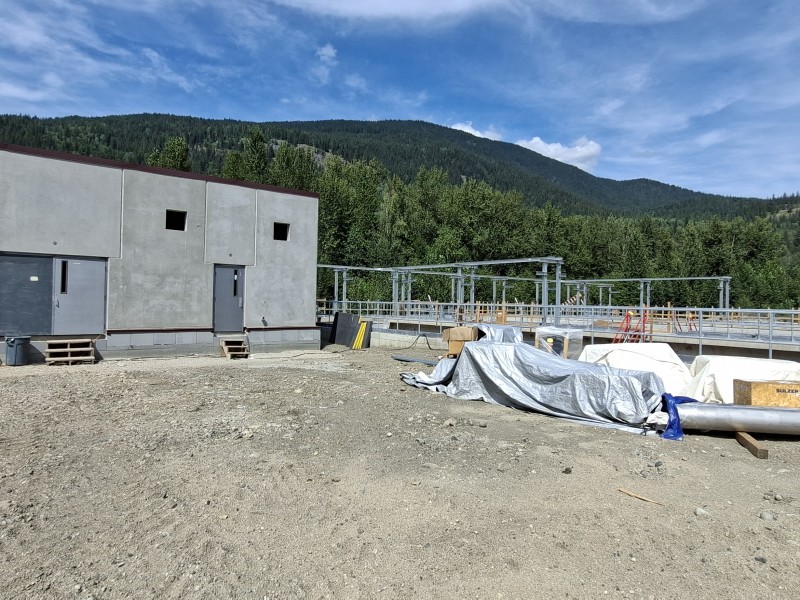
Wastewater treatment plant upgrades set to future-proof facility for 2 decades
Plans to include Big Eddy residents and businesses into the updated facility still in the early stages, city director of engineering says.
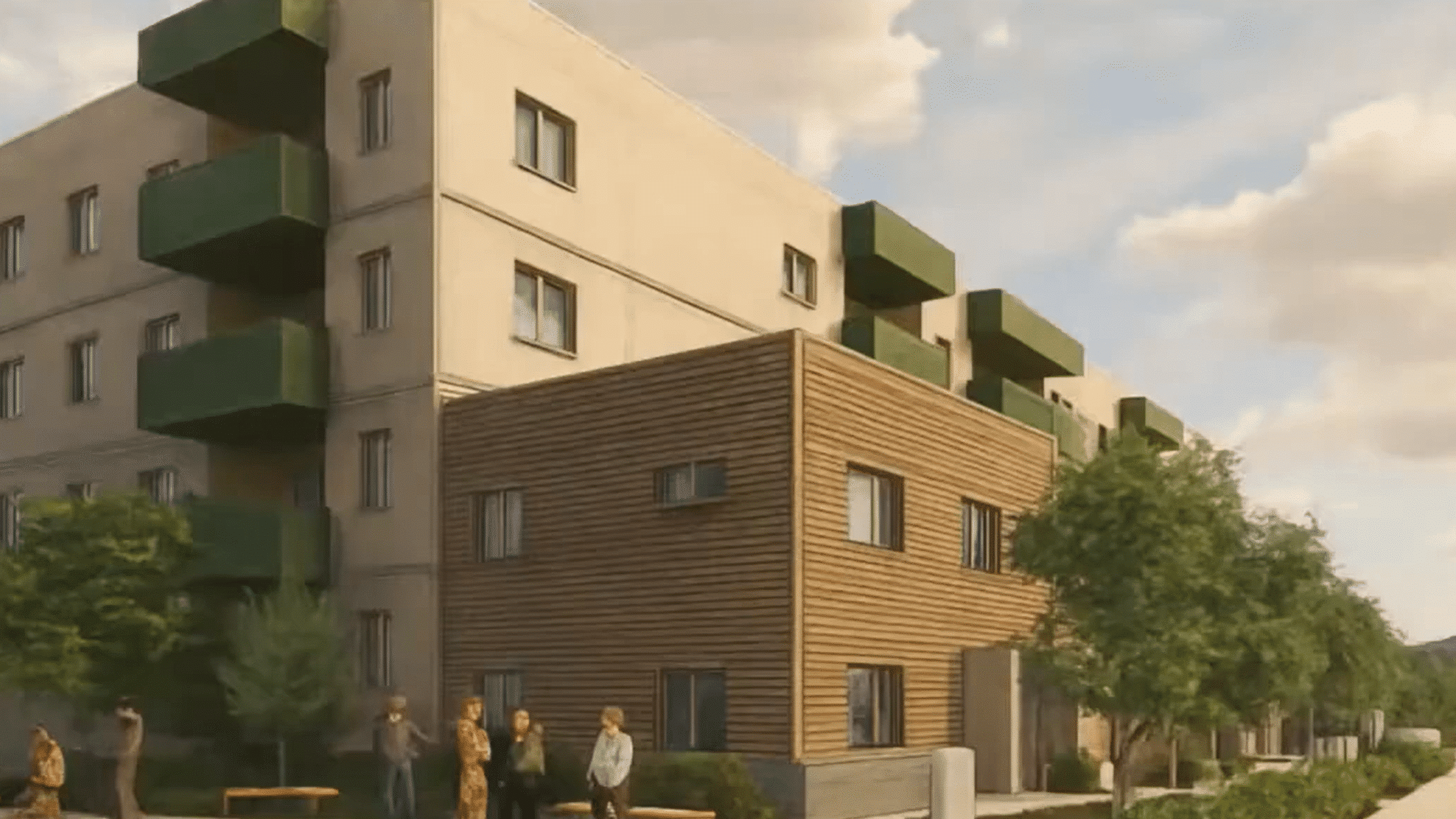
Revelstoke granted $200,000 to rework development guidelines
Clarifying building requirements is key in speeding up development approvals, director of development services says.

More childcare spaces needed as families face estimated $35,000 income impact annually
Revelstoke Child Care Society still has over 160 families waitlisted as plans to expand into Okanagan College building take shape.