
Mountain culture includes ballet
In conversation with Zachary Rogers, ballet dancer, on growing up Revelstoke and heading out into the world stage of ballet culture. An exploration of place and athleticism, the mountain effect, and our relationship to classical art forms.
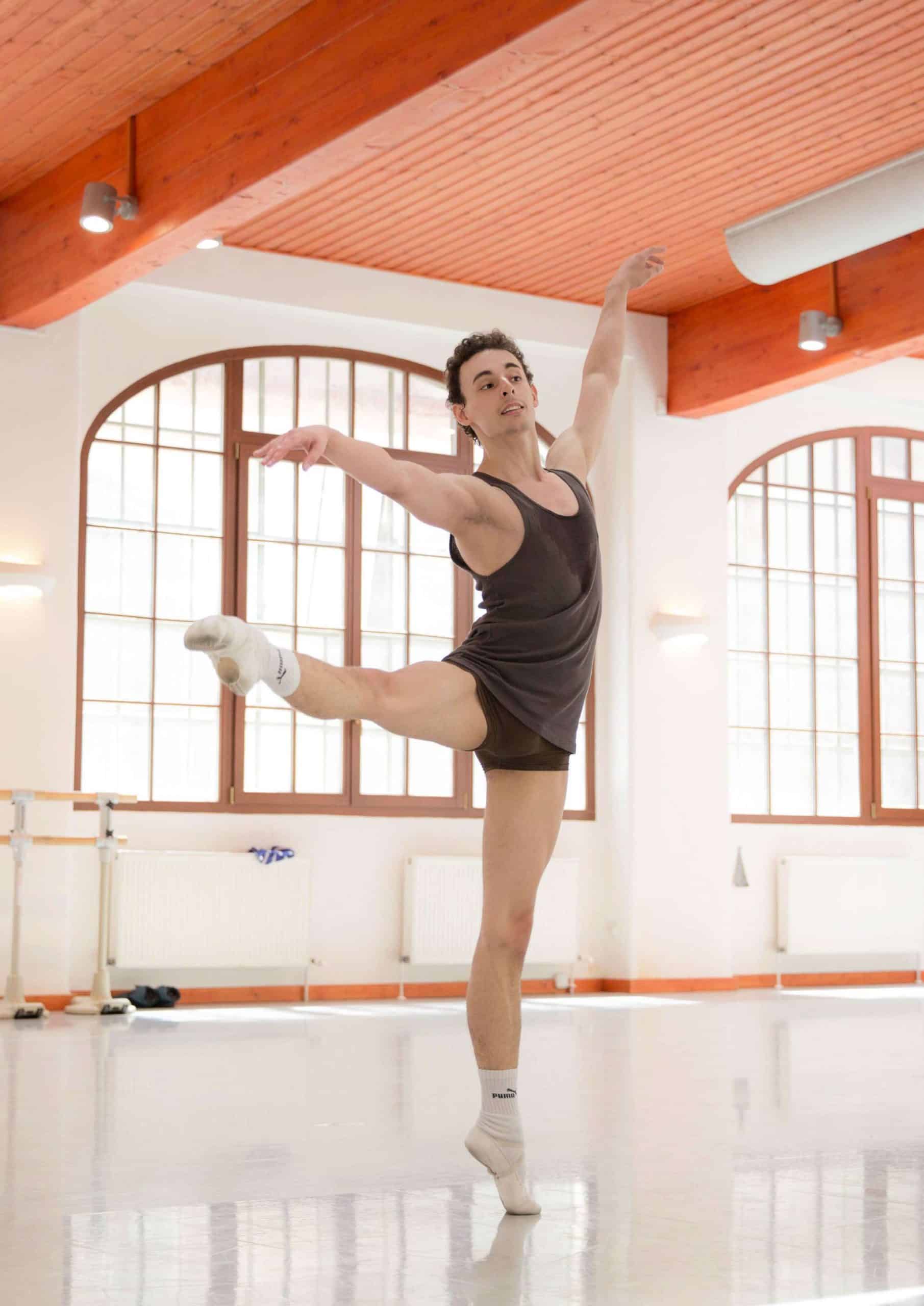
This story is part of a feature that first appeared in print in Revelstoke Mountaineer Magazine’s September 2022 issue. Read the entire e-edition here: link here:
By Jill Macdonald
In conversation with Zachary Rogers, ballet dancer, on growing up Revelstoke and heading out into the world stage of ballet culture. An exploration of place and athleticism, the mountain effect, and our relationship to classical art forms.
JM: It is my personal belief that we are influenced by geography, that it shapes us internally – can you see that in yourself, and how would you describe that influence?
I miss the mountains of Revelstoke constantly. The mountains represent the unknown, which is exciting to me. I have always been intrigued by the mystery of them, although they have been explored thousands of times over, and that has influenced my desire to travel abroad, to discover new places, and to follow the path less travelled. Who knows what possibilities await you elsewhere?
In terms of inspiration or how that setting informs my artistic discipline, the mountain air and remote location, as well as the area’s incredible natural beauty, create the perfect well to draw from. On long walks by the Green Belt, often with our family dogs, lost in thought, listening to music from my favourite ballets, these times away from the ballet studio and the gruelling regime of everyday classes and rehearsals, renewed my motivation and creativity.
JM: Is there any tension between growing up in an outdoor-oriented place and being dedicated to an indoor-oriented passion?
I never really paid much attention to it. As a kid, I went skiing with my family, although it was never something I wanted to pursue further. I found it to be normal, to be something people did, so I did it too, naturally. Once I discovered ballet, however, my mind fixed on it, and I knew I didn’t want to dedicate my time to anything else.
JM: Tell us about being you in a ballet company – are there many rural dancers? Can you see similarities?
There are a few other dancers in my current company that are from smaller communities, but many are from major cities. The main similarity I see between us is that our dedication to pursuing our art pushed us to leave our hometowns and often our families at a young age to train professionally elsewhere. It requires a certain kind of mental strength, as well as a passion for what you do.
JM: Does anyone in your family have a dancing or artistic background?
My family background is very artistic, and I was lucky to grow up in an open-minded and loving environment. My father is a musician, an accomplished trombonist, and both his parents were incredible pianists. My mother has a very artistic eye and studied photography among other things. I am very fortunate that growing up, they let me choose my path and follow my dreams.
JM: Fine arts in Europe have such a long, intense, broadly understood cultural relevance – what can we learn through you about how we view and treat artists here in BC?
Europe’s artistically rich cultural history is what drew me there initially. Even as a child, I dreamed of travelling there and visiting theatres and watching as much ballet as I could. I think theatre brings people together in a beautiful way – a mutual love for what they are there to see. Ballet, for example, is a physical art form, which can be interpreted differently by each viewer as there isn’t a script to be followed. Sure, we may all know the basic plot lines of the fairy tale ballets such as Swan Lake or The Sleeping Beauty, but everyone interprets them differently, and I think that’s amazing. I love discussing performances I’ve seen with friends afterwards, it’s always very enlightening!

Zachary dancing with Laura Fernandez. photo: Alexei Borisov
JM: How did you arrive in Moscow? Has that been interrupted by war, and do you have thoughts about that?
I had dreamt of working in Russia since I was 13. I auditioned for a ballet company in Moscow while I was working at the National Theatre in Prague in October of 2018. The director offered me a contract immediately, and I left my position in Prague the following January. I began working in Moscow in February, and it was one of the most incredible and fulfilling periods of my life, despite the global pandemic. I danced more than I’d ever danced anywhere else, and I loved the ballets I was doing.
My time there was unfortunately interrupted by the war in Ukraine because my artistic director decided to leave his position and return home to France. I enjoyed working with him and was very sad to see him go. Nobody knew who would take over or when, and that was unsettling to me. I was also unsure of how stable a place it would be for me there as a foreigner in the future. Although I do love Moscow and I deeply appreciate the opportunities I received while working there, I had always known in the back of my mind I wouldn’t live there forever. It’s an amazing place, but not an easy one to live in. So, I decided to come home to Canada, after nearly nine years of working and living abroad.

Zachary Rogers. photo: Sergey Dyachkov
JM: All this aside – is there something else you would like to talk about or add?
I think Revelstoke specifically is a town that greatly appreciates its local artists. Unfortunately, there isn’t a big dance scene but I hope that will change in the future, and I’d love to be a part of its development. With such open minds, I’m sure the people of Revelstoke would wholeheartedly support any new artistic venture. I’d love to cultivate a deep appreciation for the art of ballet there and in other rural communities in BC. I’m sure there’s so much talent to be discovered and nurtured there.
I also would love to demystify the world of ballet, as it is often viewed as an ‘elitist’ art form, especially within smaller communities, as I’ve experienced. Ballet is for everyone. Whether you prefer to practice it or watch it, everyone can relate to some aspect of it. That’s what makes it so universal.
What did you think of this story?
Your feedback after we publish a story helps ensure we're always improving our reporting to better serve you
Related Articles
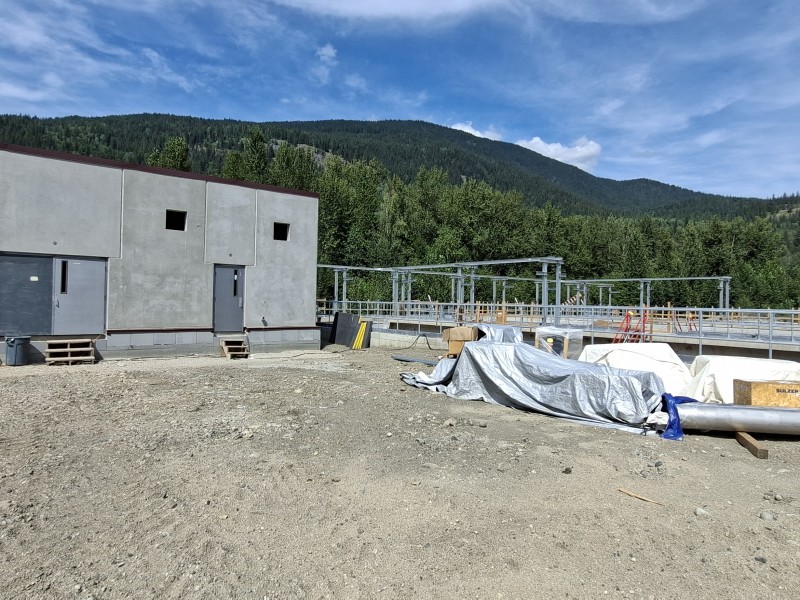
Wastewater treatment plant upgrades set to future-proof facility for 2 decades
Plans to include Big Eddy residents and businesses into the updated facility still in the early stages, city director of engineering says.
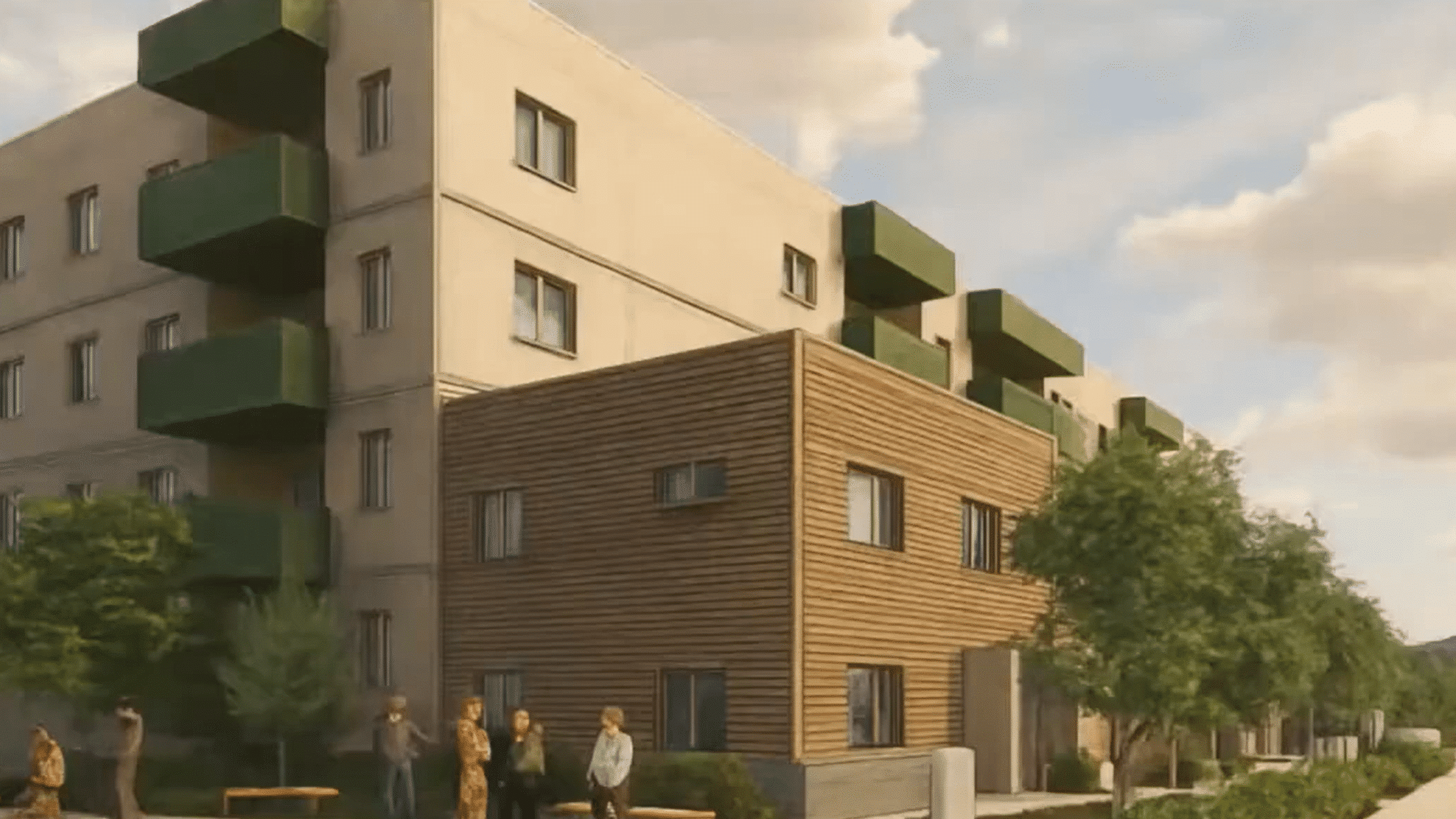
Revelstoke granted $200,000 to rework development guidelines
Clarifying building requirements is key in speeding up development approvals, director of development services says.

More childcare spaces needed as families face estimated $35,000 income impact annually
Revelstoke Child Care Society still has over 160 families waitlisted as plans to expand into Okanagan College building take shape.