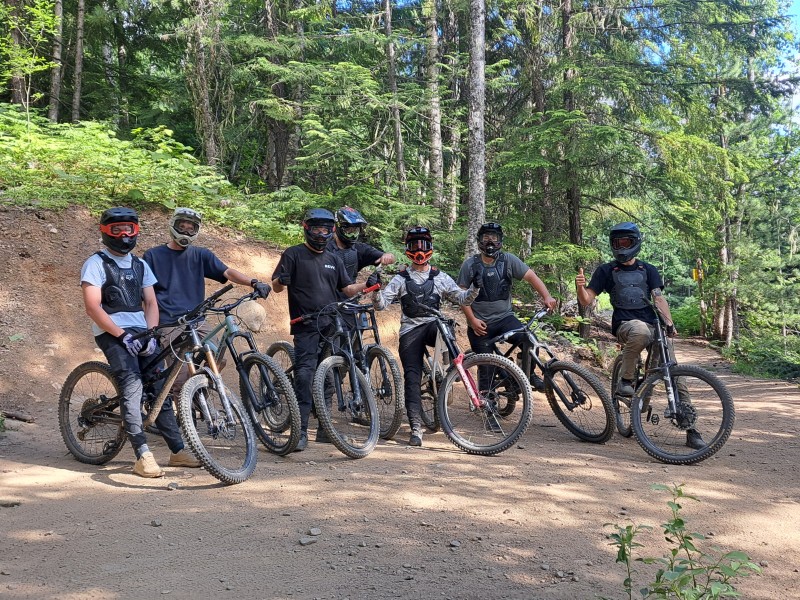
Every winter, thousands chasing the adrenaline high flock to Revelstoke. Whether you’re conquering the slopes or navigating backcountry terrain, the thrill of winter sports comes with the risk of injury.
Fraser Sprigings, physiotherapist and owner of Keystone Health, knows this all too well. Through his extensive experience, including supporting orthopedic surgeons specialising in knee injuries in Banff, Alta. and collaborating with the Canadian Sports Institute, he has seen how high-intensity winter sports impact our physical and mental health.
Anticipation and excitement can lead to recklessness and injury early in the season, especially for those unfamiliar with the terrain, He explained.
“In addition, with prolonged riding and mileage, muscle imbalances can start to develop, and some notorious muscles get tight,” Sprigings said.
Early Preparation
Sprigings’ biggest advice is to consider possible deficits in your body or ability before getting over your head physically or mentally.
“It’s challenging because people often only become aware of an issue when they’re in that intense moment of injury,” he explained. “Then they don’t have the time or mental capacity to deal with it.”
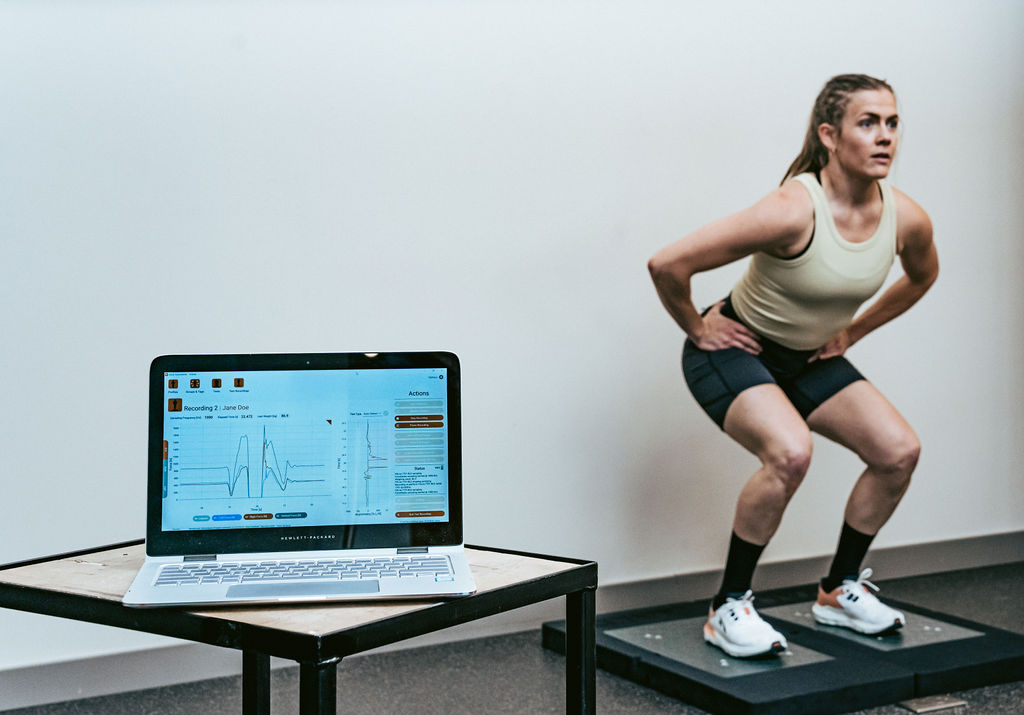
He stressed the importance of incorporating stretching, mobility, strength and conditioning work before becoming too tight, weak or unbalanced. Establishing a routine early means that when it’s crunch time and you’re getting lots of vertical feet, your body is equipped.
“Having confidence that the body and mind are sound before you go in, and the knowledge that you can maintain it is key,” Sprigings said. “It decreases anxiety or apprehension about living life to your full potential.”
Maintaining consistency can be challenging, and he suggested vocalising your personal goals, aspirations and limits for the season to others in order to stay accountable.
A balanced approach
Having a strong physical base is just one part of the equation. A significant pillar of Keystone Health’s work is addressing the psychological impact of adrenaline-high winter sports, and building mental resilience.
Our nervous system is just as taxed from too much adrenaline sports as it is with stress at work or with relationships, Sprigings explained.
“If your happy place is snow sports, this creates a bigger cortisol pump you’ve got to diversify,” he said.
He also acknowledged the toll an injury can take on your mental health when it prevents you from doing what you love. This highlights the importance of supplementing other activities and forms of movement into your winter lifestyle, regardless of your physical condition.
Sprigings recommended yoga and swimming as excellent activities to regulate the nervous system. Ultimately, he stressed the importance of being aware of your body’s unique needs and finding what works best for you.
Although we all share the joint experience of winter sports, Sprigings emphasised they are highly individualised activities which means that finding a balance socially must also be prioritised.
“Joining a social group in recovery from an injury, or to build a support network before we are struggling, is key,” Sprigings said.
For those who move to town for the season who are unaware of what community support is available, Sprigings suggested group sports like volleyball, basketball and badminton as great opportunities to interact with others.
Additionally, Keystone Health’s recent purchase of Trans Canada Fitness provides a welcoming space for social connection. They prioritise an inclusive social component, free from the stigmas of gender, identity or previous knowledge of working out.
The gym also helps combat mental challenges caused by the shorter days of the winter months.
“Exercise plays a significant role in alleviating the mental components of Seasonal Affective Disorder,” Sprigings said. “Our happy lighting, which mimics the natural sunlight, mitigates that as well.”
Getting back on track
Even with adequate preparation and a balanced lifestyle, mistakes will happen. Sprigings emphasised the need for self-compassion when we fall off the wagon, or something doesn’t go to plan.
“Ultimately, it’s an opportunity to practice how quickly you can get back on track,” he said.
Services such as athletic therapy, physiotherapy, osteopathy, occupational therapy, dietitian and counselling can help in these moments, all offered by Keystone Health.
With injuries like concussions, it is especially important for your brain to rest and to outsource the decision-making, Sprigings explained.
Keystone Health’s latest addition is infrared goggle cameras used to detect balance disorders, common in concussions. In the past Revelstoke residents would have to make the trip to Vernon to be diagnosed and begin treatment for a variety of balance-associated disorders.
“We also try to integrate with the hospital, their doctors and the orthopaedic team to provide fluid services,” Sprigings said. “Medicine is just evolving so fast, and we want to be on the leading edge.”
Reflective of Keystone Health’s philosophy, Sprigings’ key message is to get people thinking about a holistic and long term approach to their wellbeing.
“Plan for a long, sustainable season, not a sharp abruptly-ended one,” he concludes.

What did you think of this story?
Your feedback after we publish a story helps ensure we're always improving our reporting to better serve you